New 'value chains' for agri as govt launches bioeconomy strategy
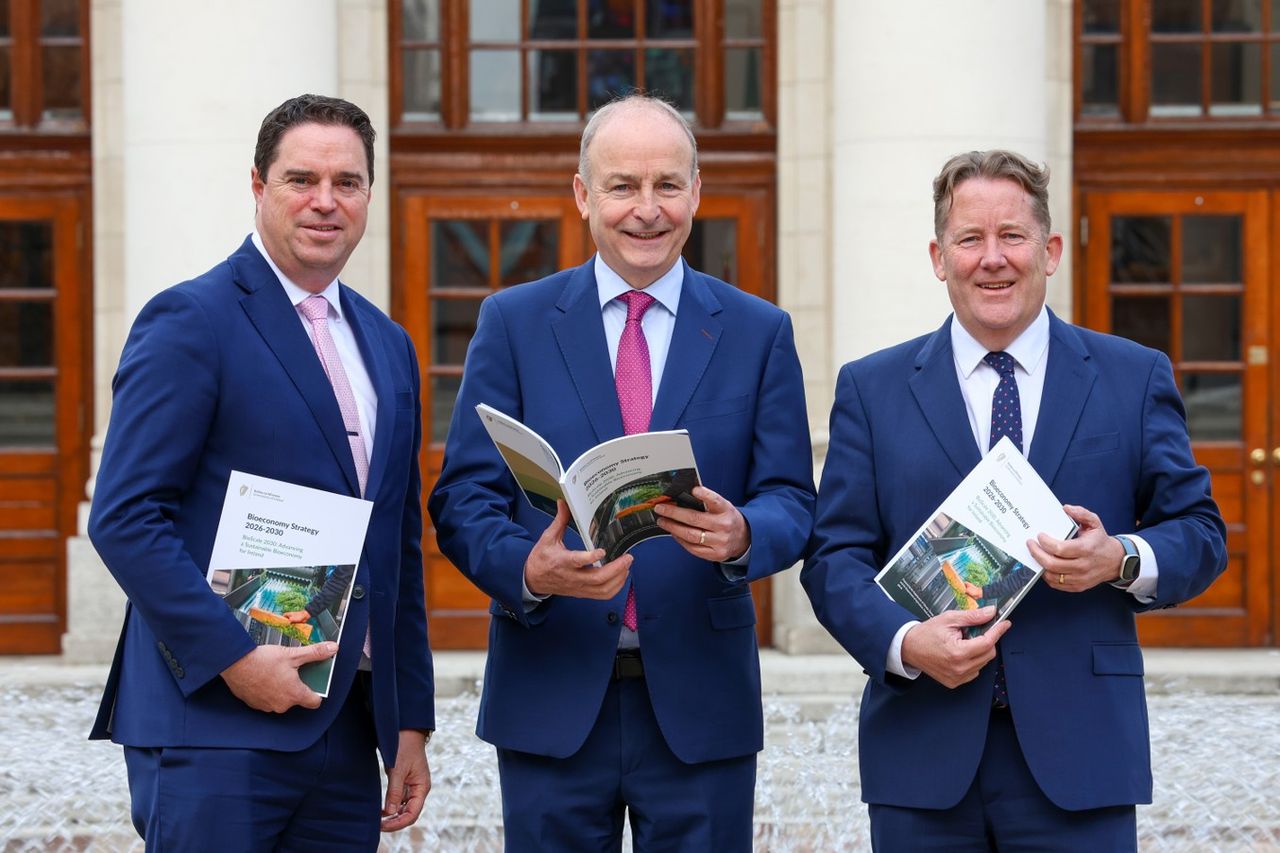
Ireland’s first national bioeconomy strategy is being launched today (Wednesday, October 21).
The strategy - BioScale 2030 - sets out a pathway to turn research and renewable biological resources into sustainable businesses, new markets and regional opportunities.
Taoiseach Micheál Martin, Minister for Agriculture, Food and the Marine Martin Heydon and Minister for Climate, Energy and the Environment Darragh O’Brien will formally launch it at the Global Bioeconomy Summit in Dublin.
Bioeconomy
The Department of Agriculture, Food and the Marine (DAFM) said this marks a "significant milestone in Ireland’s ambition to develop a sustainable, competitive and innovative bioeconomy that creates new economic opportunities while supporting climate action and circularity".DAFM said the bioeconomy focuses on all sectors that produce, process, distribute or consume biological resources.
It aims to make better use of output from agriculture, forestry and fishing sectors and secondary resources from processing industries, including food waste.Speaking ahead of day two of the summit, Taoiseach Micheál Martin said: "Ireland is delighted to welcome more than 1,500 delegates from across the world to Dublin for the Global Bioeconomy Summit.
"This is an important opportunity for us to demonstrate the contribution that our research, innovation, enterprise and renewable biological resources can make to the development of a more sustainable economy.
“It is fitting that we are also launching Ireland’s first National Bioeconomy Strategy today.
"It provides a clear national framework for building on the progress we have made in recent years in developing our bioeconomy and reducing reliance on volatile fossil fuels."
Strengths
Minister Martin Heydon said the bioeconomy offers an "exciting opportunity" to create new value from Ireland’s renewable biological resources.
"We have particular strengths in areas such as grass-based agriculture, forestry, marine resources, food production and biotechnology," he said.
"We also have an excellent research and innovation base.
"Our challenge now is to connect these strengths, scale successful innovations and develop new markets and value chains in which farmers, foresters, fishers and other primary producers can participate and capture greater value."
Framework
Minister of State at DAFM Noel Grealish said the government has made "significant investment" in developing Ireland’s bioeconomy and marked some major milestones recently.
These include opening Ireland’s first on-farm integrated grass-biorefinery and anaerobic digestion demonstration plant in co. Cork and the opening of a National Biorefinery Pilot Plant and Bioeconomy Demonstration Initiative Tipperary.
"Today’s launch of the National Bioeconomy Strategy builds on this and delivers a clear framework for coordinated action across government, industry, research, communities and the wider bioeconomy ecosystem," Minister Grealish said.
Minister Darragh O’Brien added that the sustainable use of biological resources is "imperative if we are to move from an over-reliance on fossil fuels, without creating a new challenge for our future generations to solve".
"We must reimagine how we view our natural resources, including what we may currently discard or view as waste," he said.
"The indigenous industry that we can build around these principles can create jobs, boost our competitiveness, and address our climate and energy challenges."
Global Bioeconomy Summit
The Global Bioeconomy Summit was created by the International Advisory Council of Global Bioeconomy.
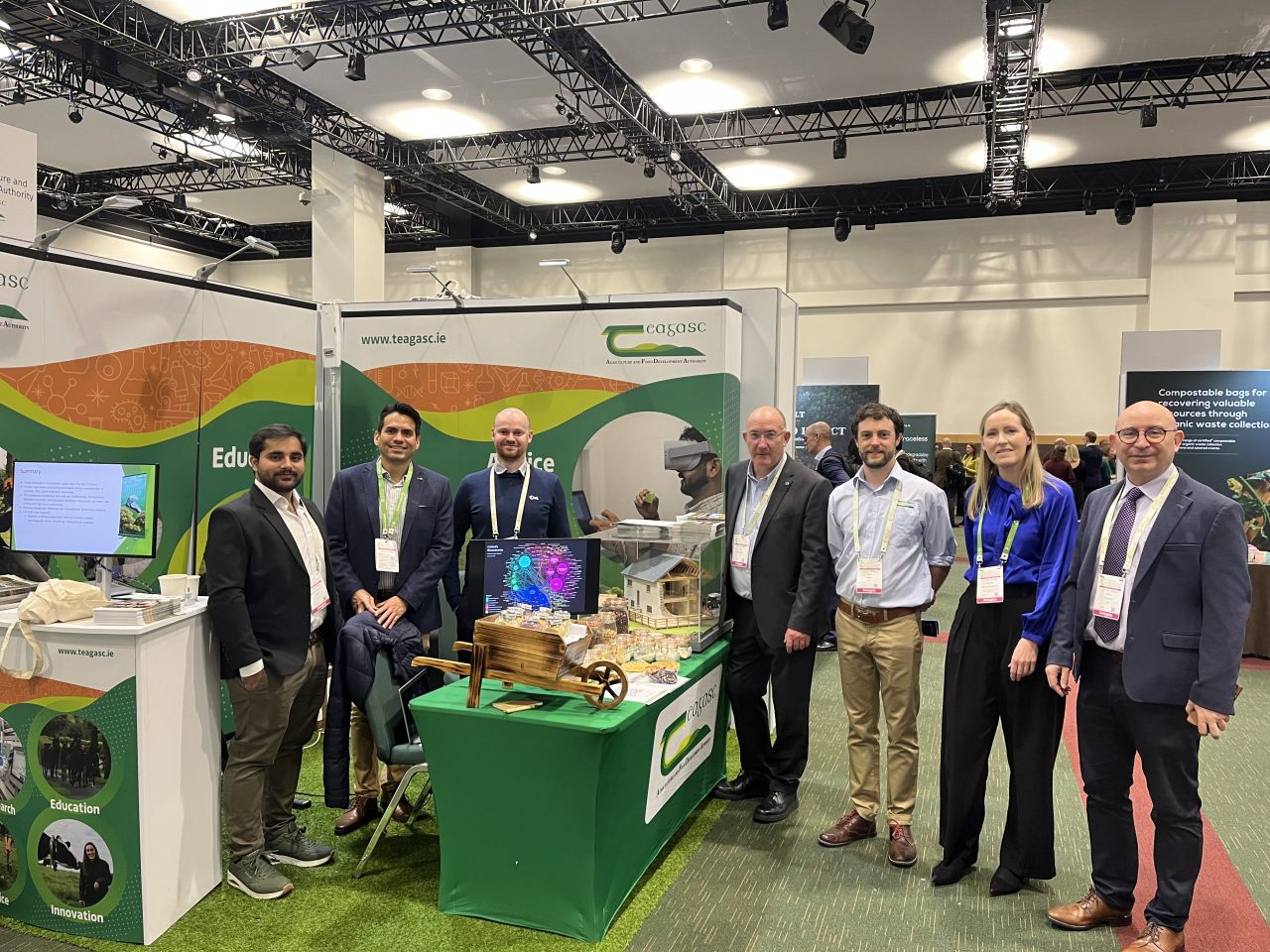
This year Ireland hosts the summit at the Convention Centre Dublin on October 20 and 21, bringing together senior policymakers, international organisations, researchers, industry leaders, investors and civil society representatives from across the world.
The summit takes place during the annual Bioeconomy Ireland Week.