Warning of high liver fluke risk in livestock this winter


The Agri-Food and Biosciences Institute (AFBI) has warned of possible liver fluke infections in cattle and sheep this autumn and winter.
Using a forecasting system based on climate data, staff at the institute have predicted that the overall risk of liver fluke infection during this autumn and winter will be “high” across Northern Ireland.
A spokesperson for AFBI said: “From May to September 2026 the average monthly rainfall was 86.56mm.
“Although this is lower than that for the year 2025, it is higher than that for 2024 and represents an 8.03% increase above the average monthly rainfall for the summer months in Northern Ireland.
“The mean monthly temperature from May to September 2026 was 14.21˚C.”
AFBI has warned that this is higher than the levels recorded for each of the previous five years and represents an increase of 9% over the mean monthly temperature for the summer months in Northern Ireland.
“Relating to the above, the Ollerenshaw index for sites monitored in NI was greater than 400," the spokesperson added.
“This level prompts a forecast of high prevalence of fluke infection in stock, if appropriate measures are not taken.”
Temperatures
According to AFBI, a mean day/night temperature of 10˚C or higher is necessary, both for the intermediate host to breed and for the fluke larvae to develop within the snails.
It said that a temperature of 10˚C is also the minimum at which fluke eggs will develop and hatch.
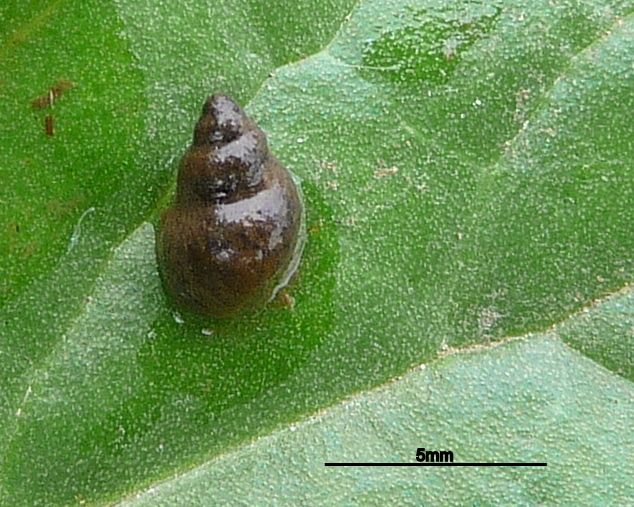
According to AFBI, given the mean monthly temperature and rainfall for May to September 2026, multiplication of snails will have continued unabated on those pastures which are poorly drained and remain wet all year round.
“Thus, there is a high probability of liver fluke infection in the autumn and winter 2026-2027," the spokesperson said.
Acute or chronic
The institute warned that liver fluke disease can occur in either acute or chronic forms.
Acute form occurs in sheep and is caused by the migration of large numbers of immature flukes through the liver.
Acute liver fluke is often fatal and can have serious welfare implications.
Chronic liver fluke disease is more common than the acute form and occurs in both sheep and cattle, usually during the winter and spring, although infection can persist throughout the year.
AFBI has warned that fluke infection can cause a reduction of 5-15% in the milk yield of dairy cows and reduction of growth in fattening lambs and cattle.
As a result it can be a source of considerable financial loss to the local agricultural sector.
Fluke infections in dairy cattle can also predispose to metabolic conditions such as ketosis and infectious diseases such as salmonellosis.
The same is likely to be true for sheep.
Migrating liver fluke can also predispose animals to the clostridial infection, Black disease, and AFBI advised that care should be taken to ensure that cattle and sheep in fluke-affected areas are fully vaccinated against this disease.
Fluke control measures
All farmers are advised to review their fluke control measures at this time of year.
“Access to snail habitats (wet and poorly drained areas) should be reduced, or sheep taken off the land and housed or moved to new clean pasture," the AFBI spokesperson said.
“However, in most cases, control will be based on the strategic use of anthelmintics, employing a product effective against the life cycle stages likely to be present in the flock or herd at the time of treatment.
“This is particularly important in autumn when acute fluke infection occurs in sheep and pick-up of infection by sheep and cattle is still taking place.”
At this time of year, a product effective against both immature and mature forms is needed.
Use of such a product on out-wintered sheep once or twice in autumn, with possible follow up in January, coupled with a treatment effective against adult flukes in early spring, should significantly reduce the fluke burden on individual farms.
Winter and spring
Treatment of chronic (adult) infections in cattle as well as sheep during the winter or early spring is important to help reduce pasture contamination with fluke eggs.
“Use of an anthelmintic with activity mainly against adult flukes may be sufficient in these circumstances," the spokesperson said.
“However, the flukicide programme used has to be on a ‘know-your-farm’ basis and no one set of recommendations will cover all flocks or herds.”
Farmers have also been warned that resistance to fluke treatments is prevalent in Northern Ireland.
On some premises, products containing triclabendazole (the only flukicide currently licensed in UK and Ireland that is effective against the immature stages of liver fluke, causing acute fasciolosis in sheep) have been used almost exclusively for a number of years.
On such farms it is possible that triclabendazole-containing products may now be less effective in controlling fluke infection, and for treating acutely-ill animals.
The effectiveness of anthelmintic treatment on individual farms can be checked by taking dung samples three to four weeks after treatment and submitting them, through a veterinary surgeon, for laboratory examination.
Rumen flukes
Stomach (rumen) flukes have also become common in sheep and cattle in NI, and this is particularly the case in fluke-prone areas.
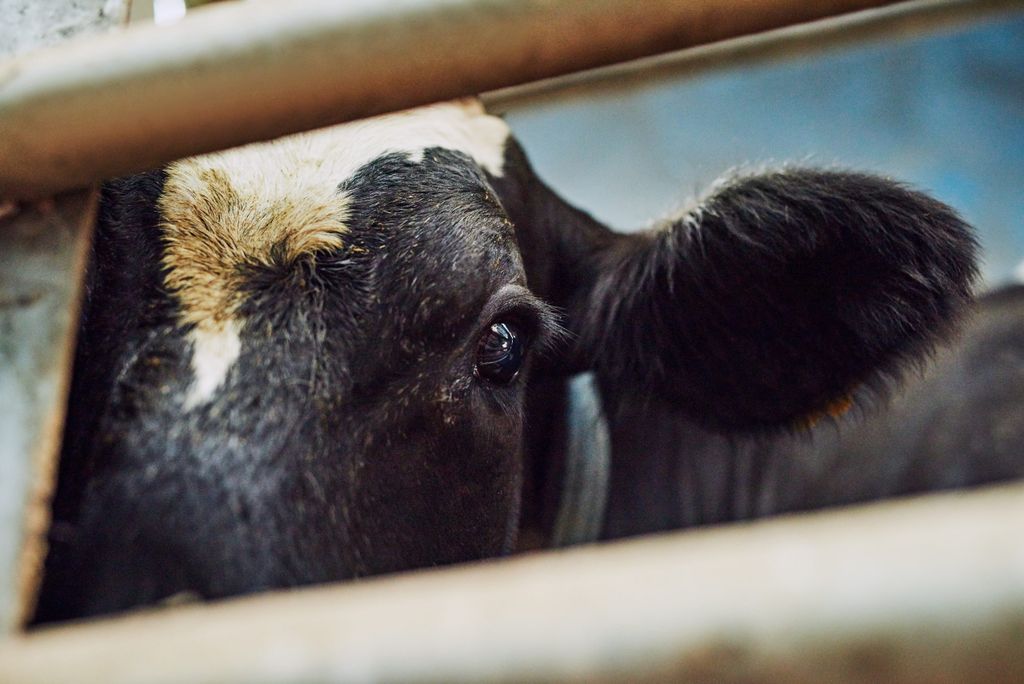
According to AFBI, adult rumen flukes are less damaging to sheep and cattle than liver flukes, but heavy infections of immature flukes may cause diarrhoea, ill-thrift and, exceptionally, death in young animals.
Farmers that suspect that stomach fluke infection may be a problem on their farm are advised to contact their veterinary surgeon to arrange for appropriate laboratory testing, and to discuss treatment options.
Advice on the most suitable anthelmintic and other control measures can be obtained from your veterinary surgeon.
The AFBI veterinary laboratories at Stormont and Omagh can help veterinary surgeons by testing dung and blood samples from livestock.