Irish weanling export numbers down 25% to date this year


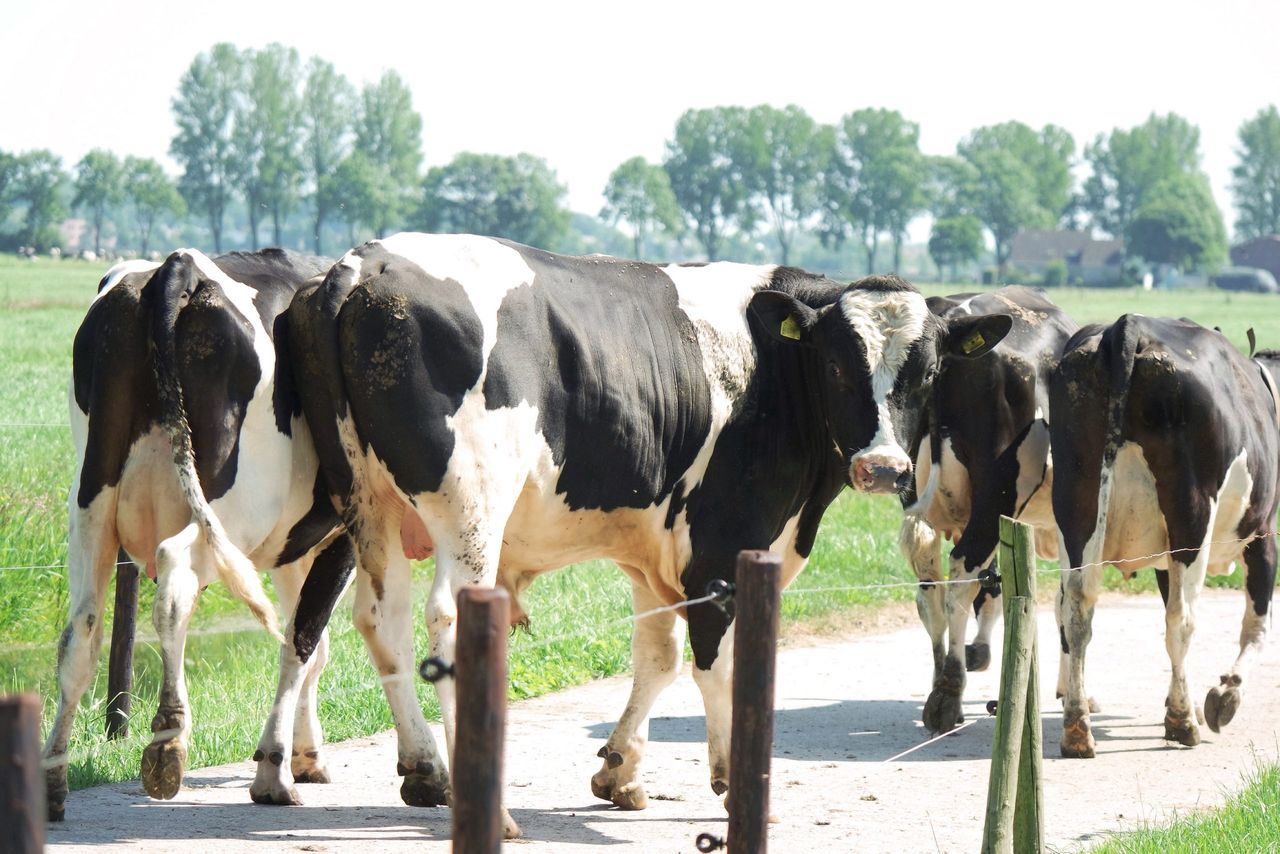
Weanling exports to date this year are running almost 10,000 head or 25% below this time last year.
As of Saturday, October 10, just over 28,600 head of weanlings have been exported from Ireland, down by over 9,600 head on last year.
Total Irish cattle exports to Spain are down 17,500 head or 16% to date this year to just under 92,000 head.
Cattle exports to Italy are also down 4,000 head or 11% to date this year to 33,300 head.
Irish cattle exports to Poland have fallen by 92% or over 25,600 head with issues relating to bluetongue protocols trading calves to the country - highlighted by Agriland earlier this year - one of the key barriers here.
Irish cattle exports to Algeria have increased by almost 3,500 head to 5,400 head - driven predominantly by strong demand for Irish weanlings from the north African country.
Exports to Morocco are up 1,500 head also, to reach 3,800 head.
Irish cattle exports to Croatia are up by 7,700 head to 10,800 head, driven by strong demand for Irish calves from the country.
The table below details Irish cattle exports by type as of October 10 versus last year:
| Type | 2025 | 2026 | Change (Head) | % Change |
|---|---|---|---|---|
| Calves | 223,022 | 208,421 | -14,601 | -7% |
| Weanlings | 38,259 | 28,628 | -9,631 | -25% |
| Stores | 31,426 | 28,115 | -3,311 | -11% |
| Adult cattle | 33,969 | 28,999 | -4,970 | -15% |
| Total | 326,676 | 294,163 | -32,513 | -10% |
For the purpose of the table above:
- Calves are classified as all cattle under six weeks-of-age;
- Weanlings are all cattle from six weeks-of-age to six months-of-age;
- Store cattle are all cattle from six months-of-age to 24 months-of-age;
- Adult cattle are all cattle from 24 months-of-age upwards.
As can be seen in the table above, Irish cattle export numbers are down in all categories.
The news in August of Brittany Ferries ending its livestock transport service from Ireland has come as a blow to suppliers of Irish calves to mainland Europe.
With only one ferry company currently offering the service, no alternatives have been found to date for transporting these additional Irish calves to key markets in Europe next spring.