Coillte spends over €500k on Slievenamon wildfire response
By Sean Ryan
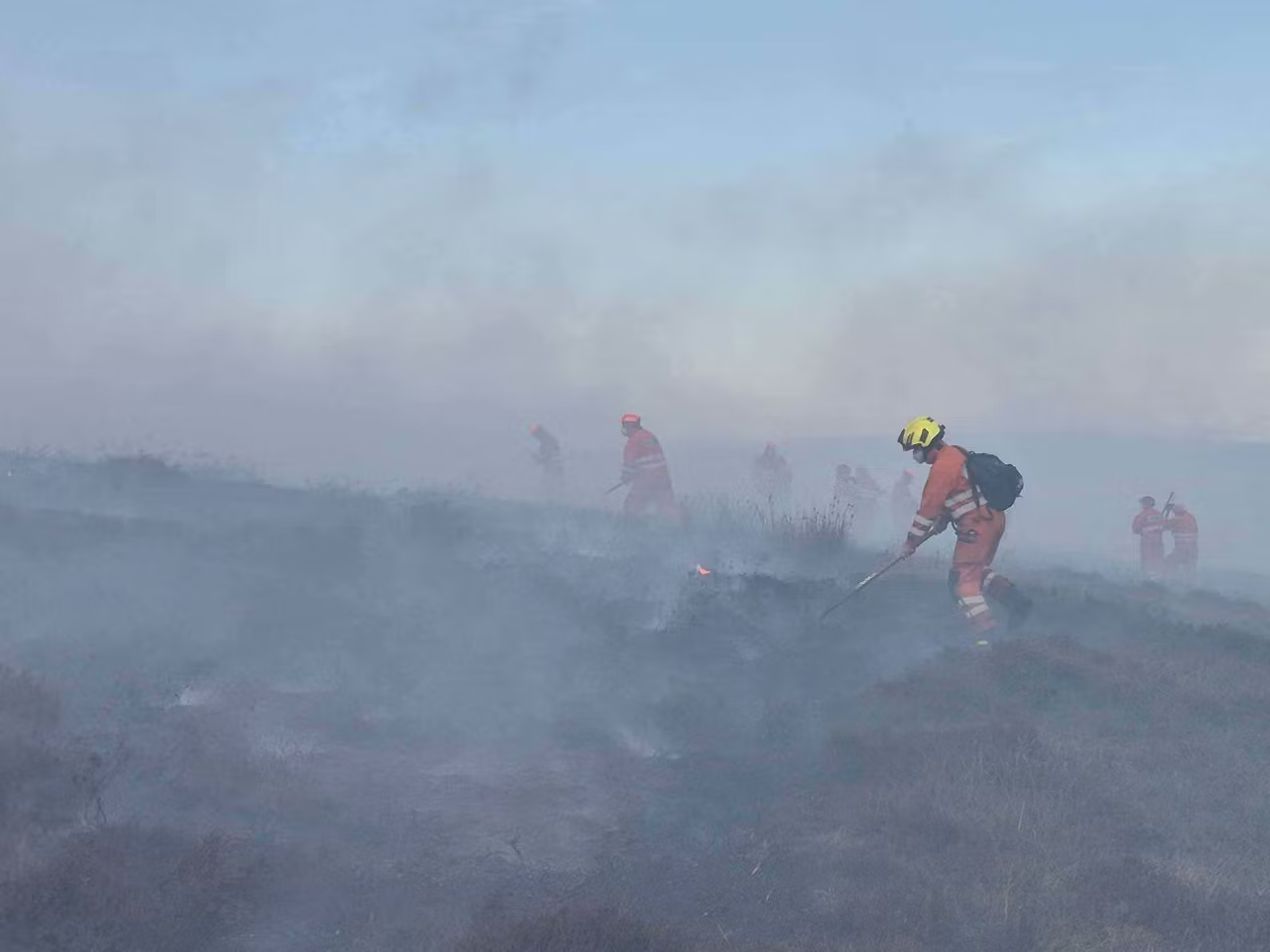
More than €500,000 has been spent on the emergency response for the Slievenamon wildfire in Co. Tipperary, according to Coillte.
The semi-state forestry company said the wildfire damaged "an estimated 65 hectares of its forestry [operation] on the mountain during the drought period this summer".
In a report on the fire, Coillte stated that "approximately 130,000 primarily productive conifer trees were damaged in the wildfire that originated on open mountain gorse land".
"The wildfire erupted in the early morning of July 20 and raged for the next eight days, with flare-ups continuing into early August," according to the report.
Coillte said the trees burnt in the fire were at an “immature stage of growth” and was aged between four and 10 years.
Resources
In the report, the company estimated that its direct costs for firefighting, containment and emergency response activities amounted to more than €500,000.
It said this underlined the significant resources required to combat large-scale wildfires and protect forests, communities and infrastructure.
“Coillte's objective is to clear, replant and restore damaged forest areas over the coming months, and in accordance with sustainable forest management principles, so that they continue to deliver environmental, economic and community benefits into the future’’.
Coillte pointed out the vast majority of the estimated 1,500 hectares on Slievenamon burnt by the wildfire was on open mountain land.
"The available evidence indicates the fire originated on privately owned land before spreading into adjoining forest areas," the report said.
It was further noted that forest fires did not occur naturally in Ireland, and "were always associated with human activity, whether accidental or deliberate".
“The most effective way to protect forests, habitats, wildlife, property and communities from wildfire is through prevention, vigilance and responsible behaviour, particularly during periods of elevated fire risk.”
At the previous month's Tipperary County Council meeting, chief fire officer, John Shinners, told councillors that the affected land was owned by private landowners.
However, Coillte and some commonage areas were also impacted.
He said it took the fire services two hours to get to the scene, and that it was "very hard to know how it started".
In relation to the fire's impact on water and air quality, Shinners explained that the smoke from the wildfire had been more of "an issue in neighbouring counties than in Tipperary".
He added that calls about the smoke were received from as far afield as Cork City, while smoke from the Slievenamon fire was even detected in Portugal.