AHI hopeful compensation rates for BVD positive calves can rise

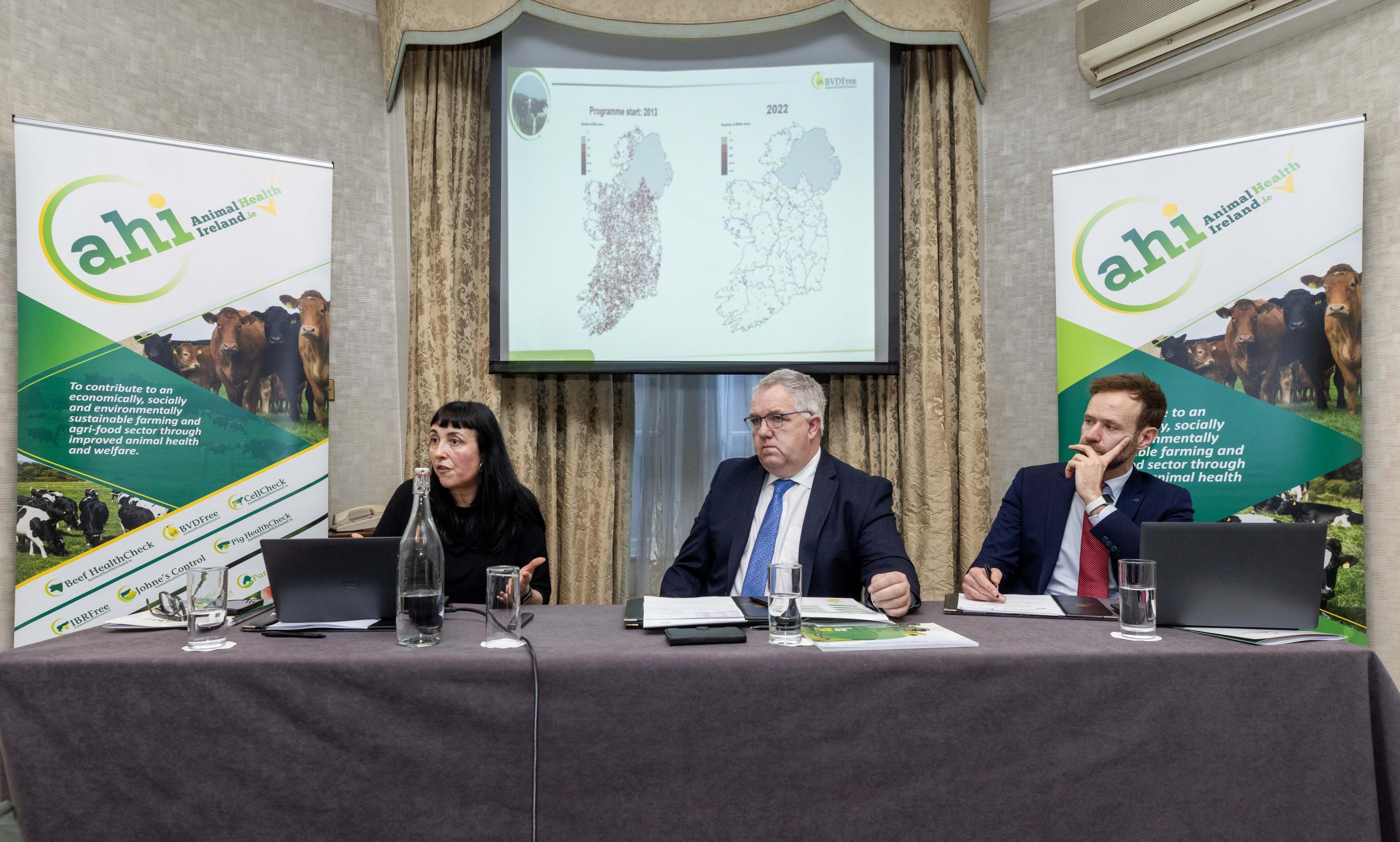
Animal Health Ireland (AHI) has said it is hopeful that the compensation rates paid for calves that test positive for BVD will increase to reflect their current market value.
At an information meeting hosted by AHI in Dublin on Tuesday (December 16), Sinn Féin TD, Martin Kenny highlighted a case where a farmer in his constituency had a calf that went down with BVD.
He highlighted that it would cost €700-€800 to replace the animal, while the most the farmer could get in compensation was €220.
The TD highlighted that this is a problem, adding that the farmer has to wait nine months to get the compensation for the BVD-positive animal.
Responding to the issue raised by Deputy Martin Kenny, AHI CEO Patrick Donohoe said: "We have raised that direct ask with the minister and we would hope that the compensation rates will be more in line with reality."
Currently, suckler herds receive a payment of €220 if the BVD-positive animal is removed within 10 days of the first positive or inconclusive BVD test.
Dairy herds receive a payment of €160 if the BVD-positive dairy female or dairy-cross animal is removed in this timeframe.
A reduced payment of €30 is available for suckler and dairy-bred calves if the animal is removed between day 11 and day 21 of the first positive or inconclusive test.
BVD action plan 2026
The issue of compensation rates for BVD-positive calves came up at a meeting hosted by AHI outlining details of the 2026 Action Plan for BVD.
The plan includes measures that aim to "further accelerate progress towards BVD-freedom while supporting farmers and the wider agri industry," according to AHI.
Amongst these measure are pre-movement tests to reduce risk of spreading infection to other herds as well as cattle sale restrictions from herds with an animal that tests positive for BVD.
These herds with BVD cases will also be required to vaccinate their herds over a two-year programme with vaccination to be completed by a veterinary professional.