150 volunteers recruited for midlands pilot mink eradication programme

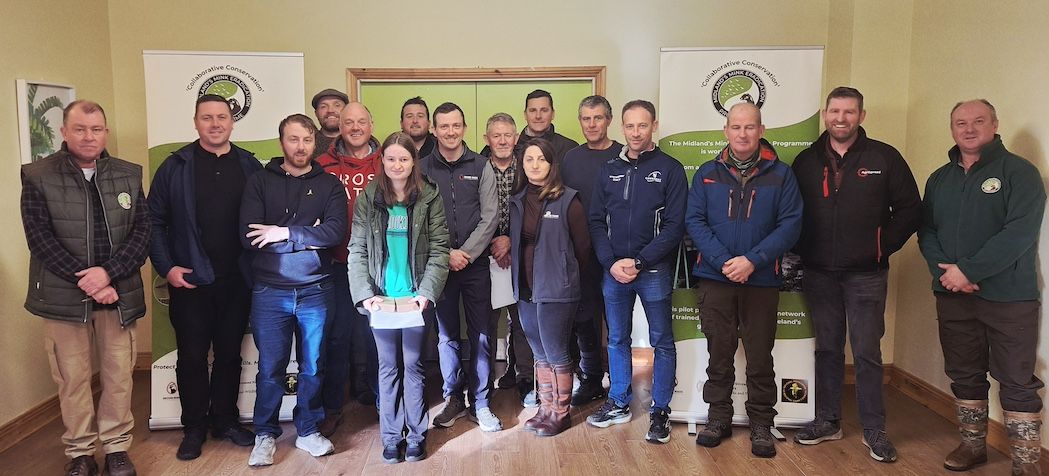
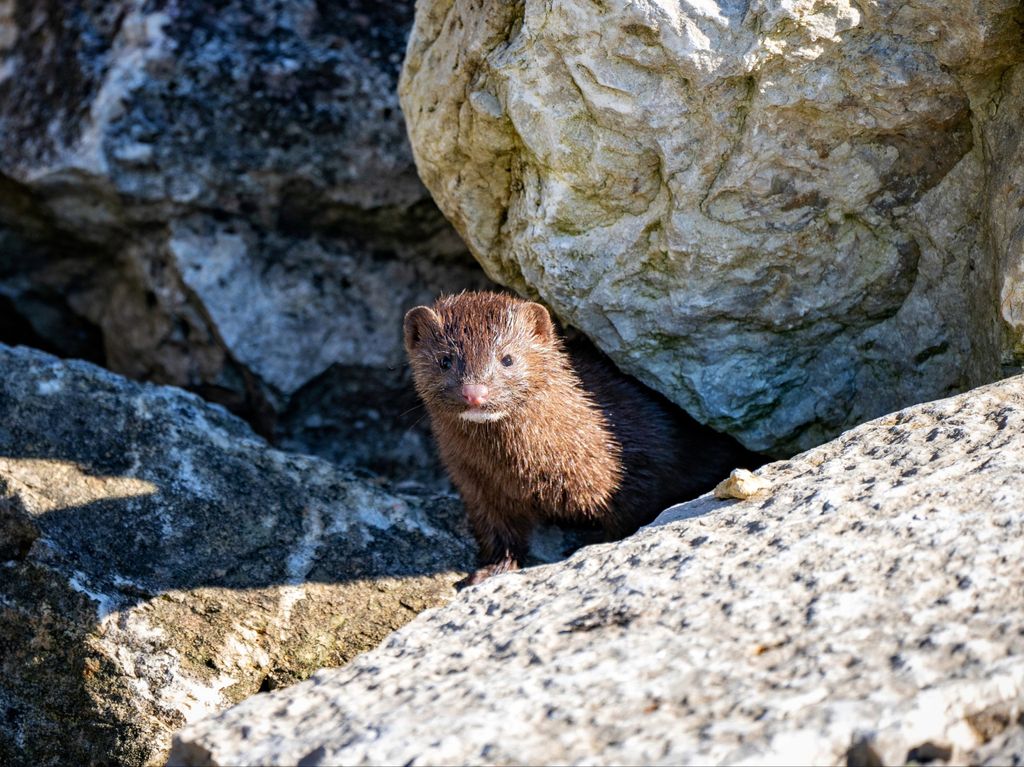
A pilot programme to eradicate the invasive species, American mink, has recruited and trained 150 volunteers for the initiative.
The Midlands Mink Eradication Pilot Programme will be delivered over a three-and-a-half-year period through a structured, trained and co-ordinated volunteer network.
The volunteers have been trained in mink identification, trapping techniques, and humane dispatch.
Launched in September 2025 at the National Ploughing Championship, the programme is a collaboration between the Breeding Waders European Innovation Partnership (EIP) and the National Association of Regional Game Councils (NARGC), with support from the National Parks and Wildlife Service (NPWS).
According to project director, Owen Murphy, the programme operates to the highest standards of animal welfare and ensures full compliance with relevant legislation.
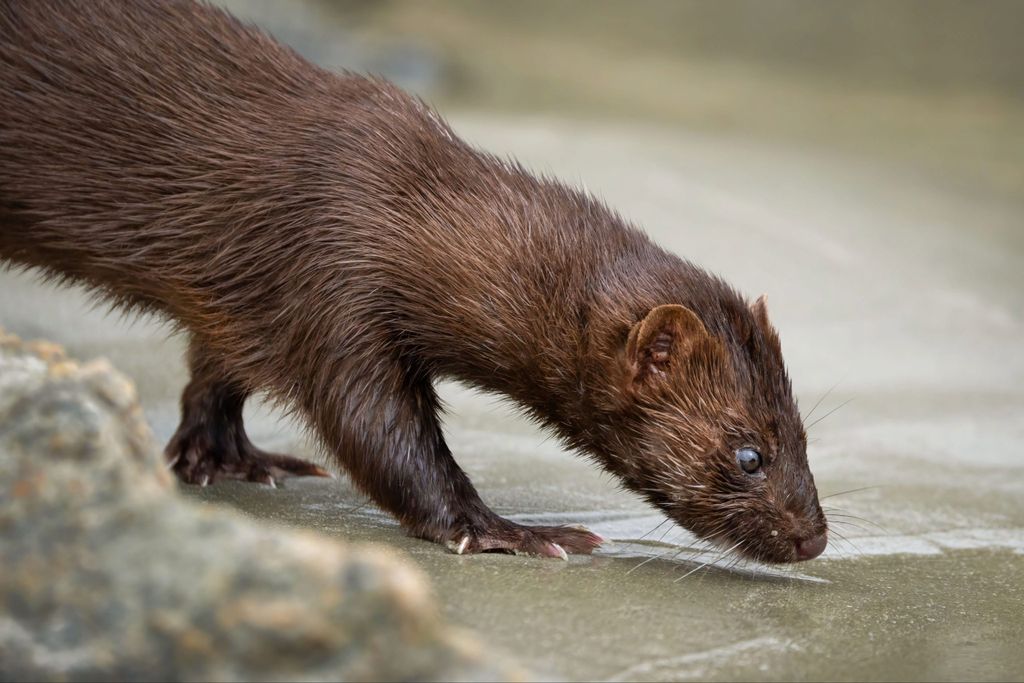
He said: "American mink, which have colonised every county in Ireland, pose a significant threat to native wildlife, particularly ground-nesting birds including breeding waders, red grouse, grey partridge and hen harrier.
"Predation by mink can severely impact breeding success and hamper population recovery efforts for these vulnerable species.
"American mink is listed on the EU's invasive alien species of union concern list."
Lough Ree
The programme operates across a 2,600km² pilot area surrounding Lough Ree, comprising a 1,030km² core area and a 1,570km² buffer area.
The Lough Ree catchment was selected due to its importance for ground-nesting birds.
"The pilot programme will build on NPWS-funded mink control efforts which began in 2010 and focus on the important island breeding sites on Lough Ree.
"This large area is suitable for testing a co-ordinated landscape-scale approach to invasive species control," the project director said.
600 traps will be strategically deployed and monitored throughout the project.
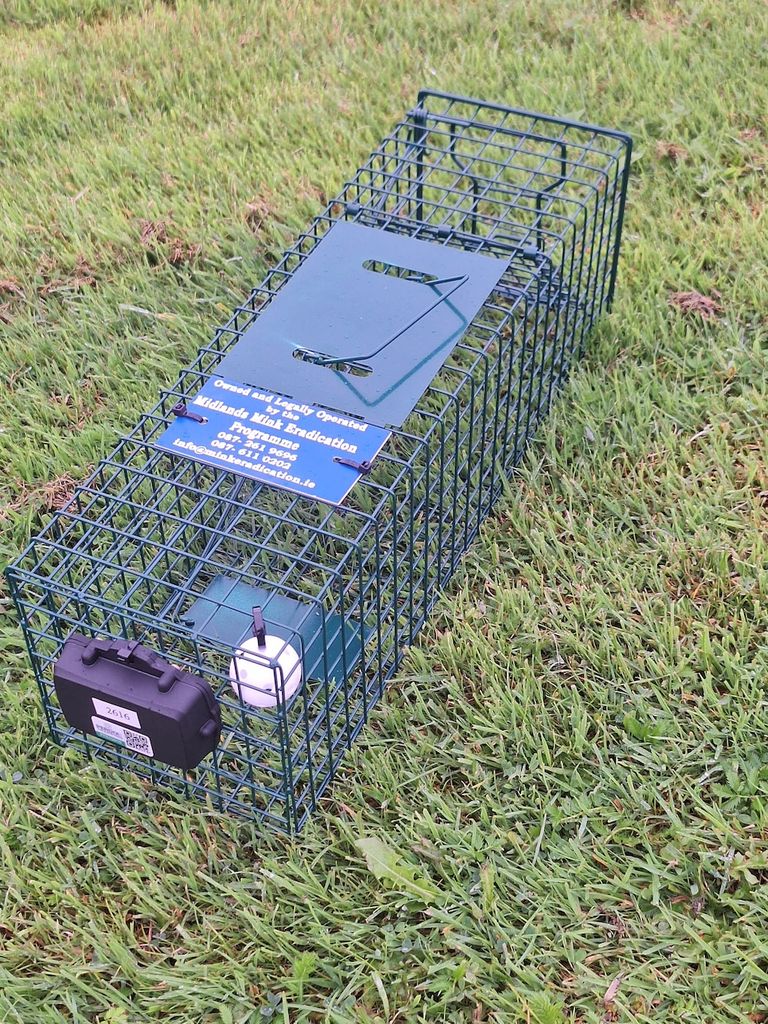
The programme uses modern trapping technology, including Perdix remote sensors which immediately alert trained volunteers when a trap is triggered, Murphy said.
"Volunteers are required to inspect traps within 12 hours of receiving a notification to ensure high standards of animal welfare and operational effectiveness," he explained.
Alongside its control efforts, the programme is gathering "valuable data" on mink distribution, activity and management in collaboration with the National Biodiversity Data Centre and the Shared Island Biosecurity and Invasive Species Initiative.
"This information will contribute to a greater understanding of invasive species management and support the development of best-practice approaches across the island of Ireland," Murphy explained.
People are encouraged to play their part by reporting sightings of American mink countrywide through the online citizen science portal, on the programme's website.
Volunteers
Recruitment and training of volunteers will continue throughout the programme, alongside ongoing monitoring, trapping and data collection activities.
The Midlands Mink Eradication Programme trained its first volunteers on January 16 of this year.
Since its launch, volunteers have deployed over 200 traps and established a growing network of monitoring and trapping locations across the pilot area.
Murphy said: "The enthusiasm and willingness of volunteers to give freely of their time has been incredible.
"Our team of project co-ordinator and community engagement officer, have worked incredibly hard developing detailed training and trapping protocols to ensure ethical and humane removal of one of Europe’s most problematic invasive species."
He described the initial figures from the programme as "very positive".
"Through detailed mapping and consistent data collection, this pilot programme will help guide future policy expansion of invasive species control and eradication," the project director said.
Programme co-ordinator, Conan Kelly said that the Midland Mink Eradication Programme had generated unprecedented interest and support across the country.
"Our volunteers are playing a vital role on the ground, helping us build a co-ordinated, community-led approach to tackling invasive American mink.
"Their commitment not only strengthens our immediate eradication efforts but also lays the foundation for long-term protection and recovery of our native wildlife across the greater Lough Ree area."
Chair of the National Association of Regional Game Councils, Dan Curley stressed that training and equipping 150 volunteers "was no mean feat", and thanked everyone involved for working to achieve this target so quickly.
"Protecting all native species, particularly ground nesting species is essential to maintain populations, and the invasive mink is a huge threat to that.
All the assembled data coming from these volunteers and staff will be invaluable in showing the worth of this project," said Murphy.
Wayne Carberry, who is volunteering with the programme, encouraged anyone in the pilot area with an interest in nature conservation and habitat restoration to get involved.
He said: "There is excellent support available for new volunteers, including training and guidance from the programme team.
"It’s a highly rewarding experience and a great opportunity to contribute to meaningful conservation work while developing new skills.”