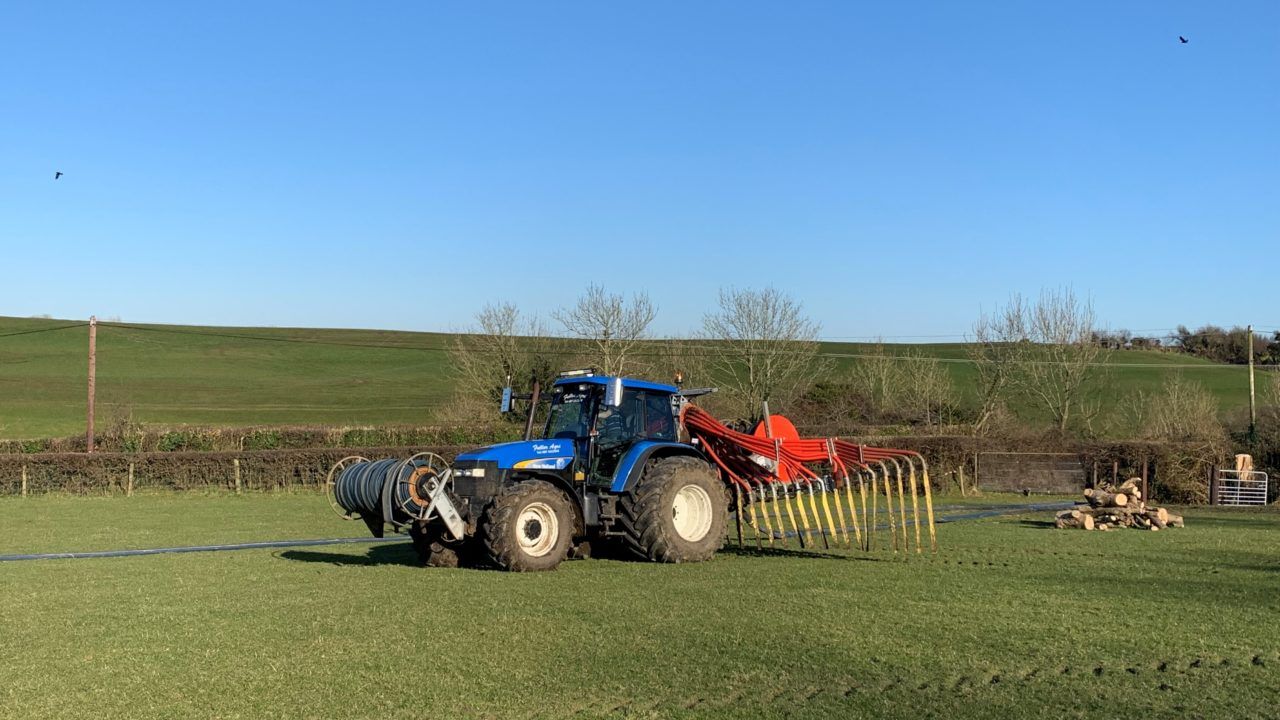
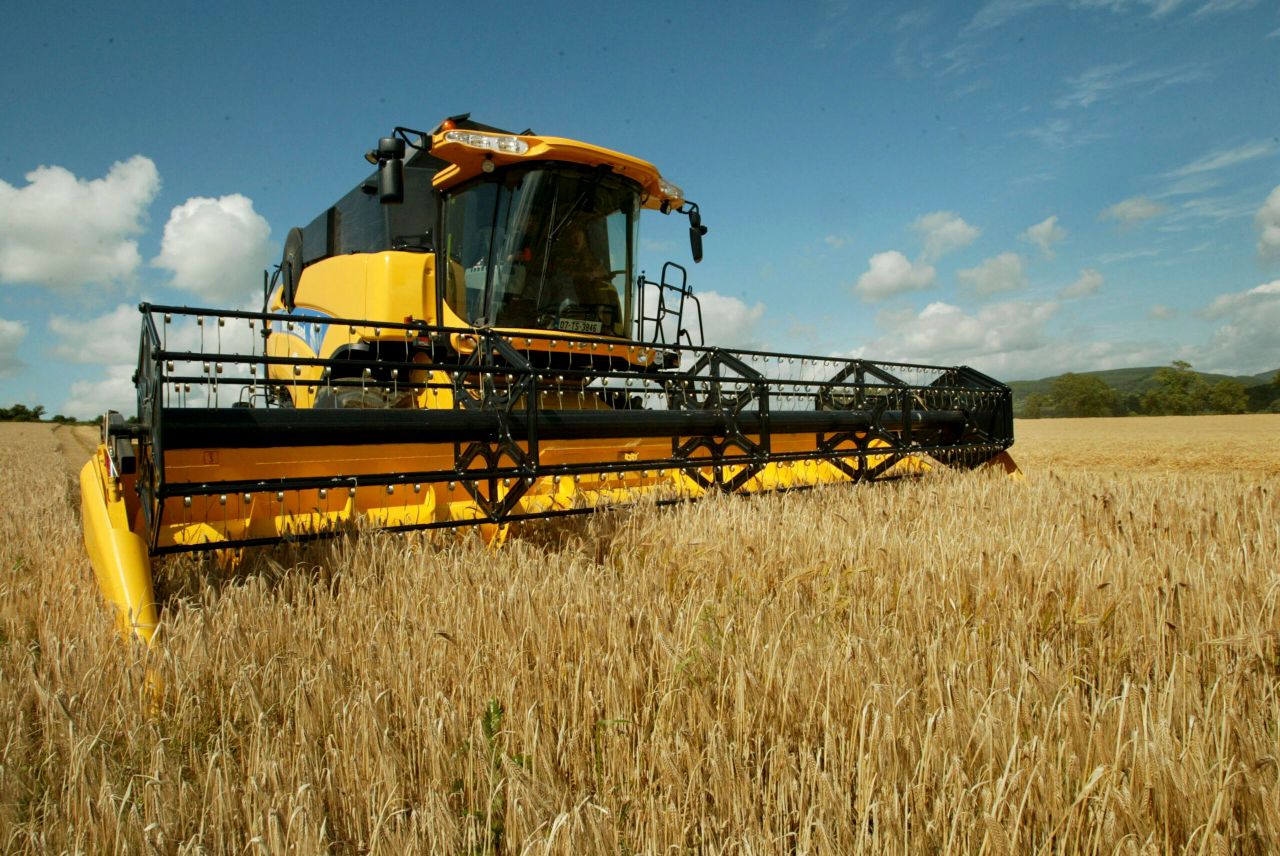
Break crops driving performance on Irish tillage farms

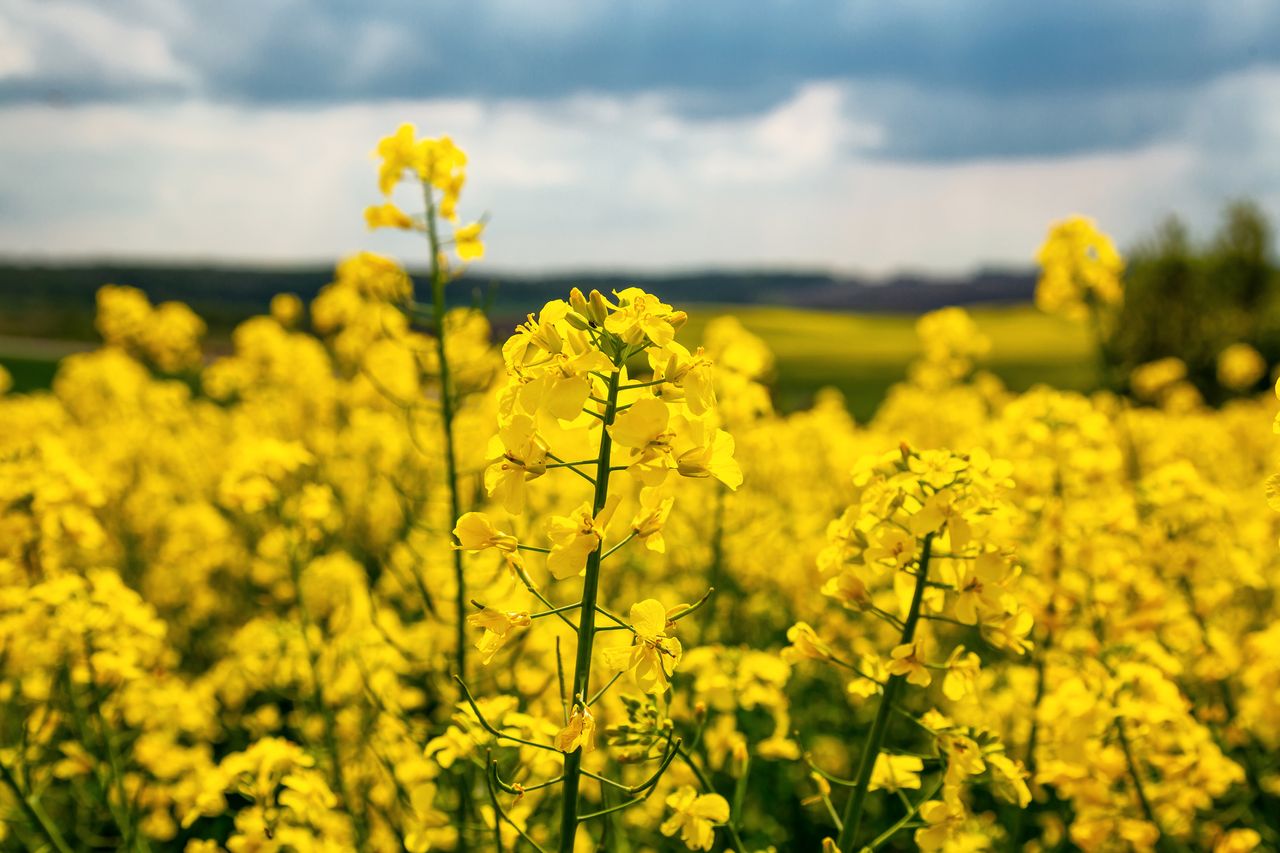
Breaks crops, such as spring beans and winter oilseed rape, are now the real financial drivers on Irish tillage farms.
This is in total contrast to the situation that existed five years ago.
The point was discussed at length by Teagasc tillage specialist, Shay Phelan, as he addressed the recent Crops Forum event.
Phelan explained: “Markets are currently driving oilseed rape prices and, in the case of beans, the continuing availability of the Protein Aid Scheme is making the real difference on farm.”
Tillage in 2026
Meanwhile, 2026 has been another challenging year for the tillage sector.
Recent months have seen all input costs increase markedly and the drought brought back final yields significantly.
Meanwhile, international grain markets remain in doldrums.
Phelan added that there has been a "drop-off in the attractiveness of value-added crops, such as malting barleys".
“Margins are decreasing while the level of crop rejections seems to be getting higher," he explained.
The Teagasc representative noted that "straw seems to be making money at the moment", which he put down to the impact the drought has had on fodder stocks.
“However, straw cannot be regarded as a sustainable contributor to tillage bottom lines, given the prices it makes in more normal growing years," he said.
“The outlet here is the Straw Incorporation Measure.”
According to Phelan, implementing effective rotations is key.
"Where grain production is concerned, it’s all about planting a first cereal, whether it be wheat or barley, after a break crop.
“The days of planting a second successive cereal crop in the same ground are about over. The yield potential just isn’t there.”
While recognising that each farm is different, Phelan points to a future within which a five-year rotation should be followed within all tillage enterprises with up to three of these slots taken by break crops.
Oilseed
But he also issued a note of caution where the future of winter oilseed rape.
Recent years have seen the planting of break crops on large numbers of tillage farms, with many seed mixes containing brassica species, which Phelan warned increases the threat posed by clubroot.
The Teagasc tillage specialist continued: “Oilseed rape varieties with proven clubroot tolerance are available. But using them brings the penalty of a yield reduction.
“Clubroot is an issue that will grow in prominence as an issue to be confronted by tillage farmers."
He cited trial work at Oak Park that showed that rape grown in locations with heavy infestation levels of the fungus can lead to a sizeable number of plant deaths.