Grass growth: 20% of total annual grass still yet to grow

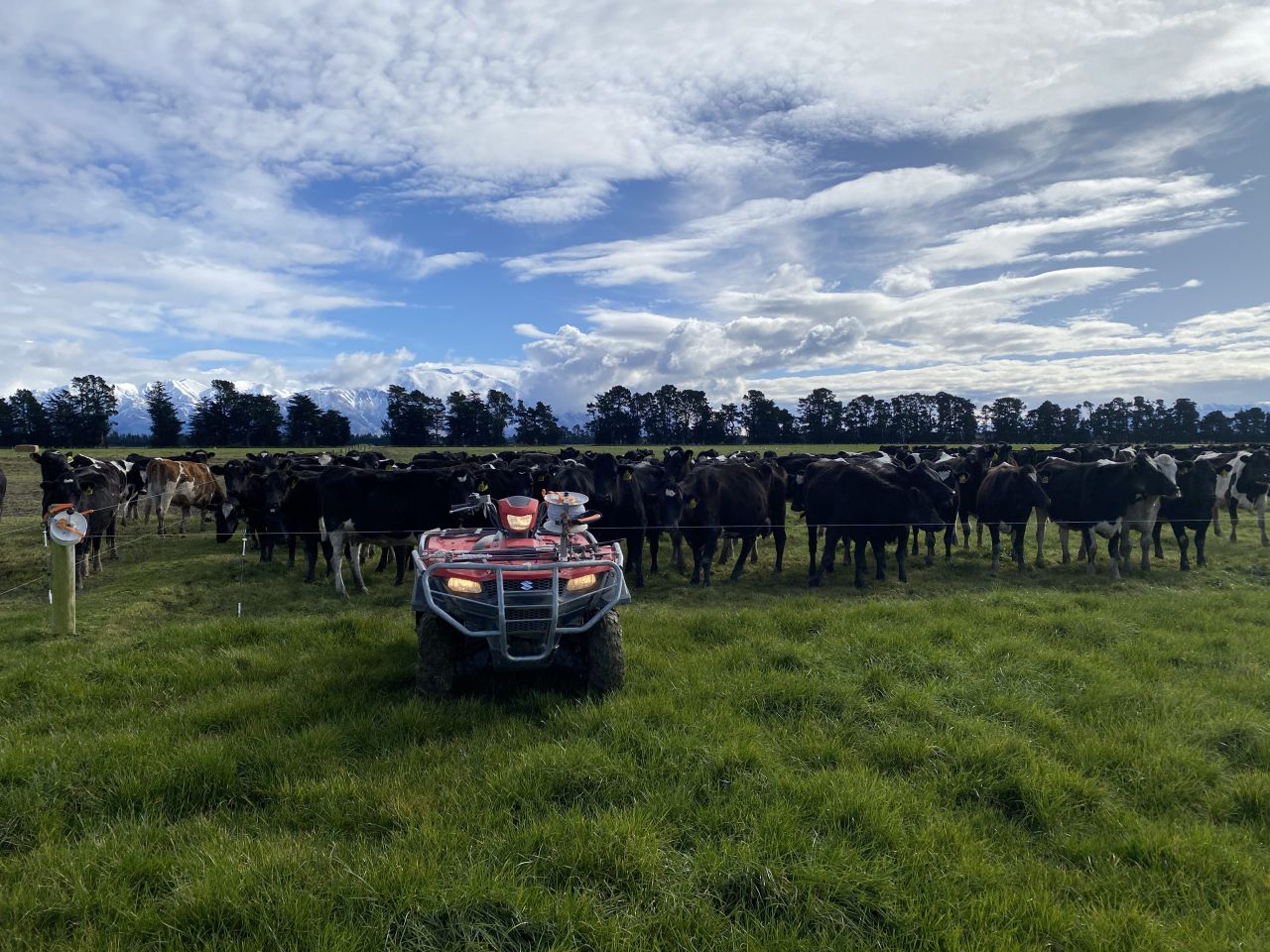
Grass growth is finally picking up after a long two months of drought, but now is not the time to get complacent.
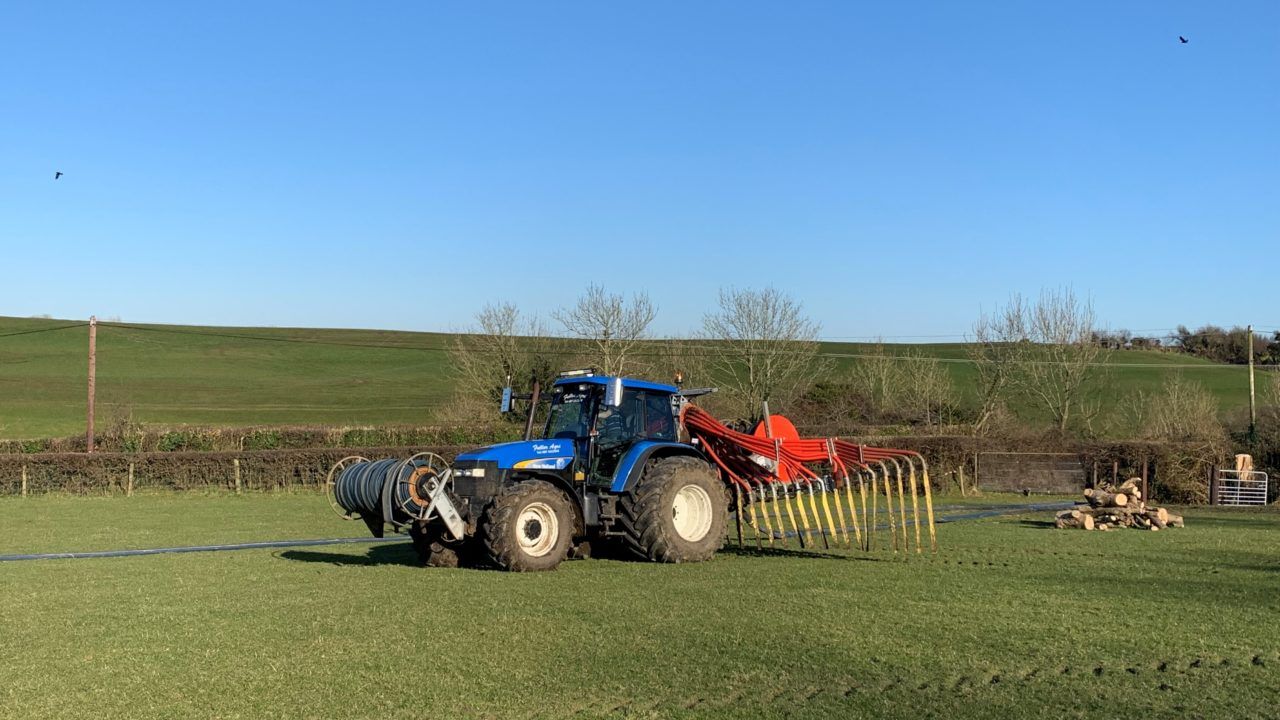
With only two days left to spread chemical fertiliser before the September 15 deadline kicks in, farmers must have a plan in place to maximise utilisation in the back end of the season.
Drawing up grass budgets here in the back end of the year will help determine when silage can be completely phased out of the diet, as well as how long cows can stay out, weather dependant.
Farmers must remember that there is still the potential for the farm to grow another 20% of its total grass for the 2026 season.
If you can keep cows out and utilise this grass, you may be driving profits by more than €3/cow/day, as well as taking pressure off winter fodder reserves in a time where a potential crisis looms.
Grass growth
As it stands, average grass growth across the country has taken a significantly positive turn, with national average growth rates now up to 49kg dry matter (DM)/ha/day, according to PastureBase Ireland.
Average grass growths in the west of the country ranged from lows of 50kg DM/ha/day in Roscommon to average highs of 73kg DM/ha/day in Mayo.
Meanwhile, average growth rates in the east were recorded with lows of 44kg DM/ha in Kilkenny and highs of 57kg DM/ha across Wicklow and Dublin.
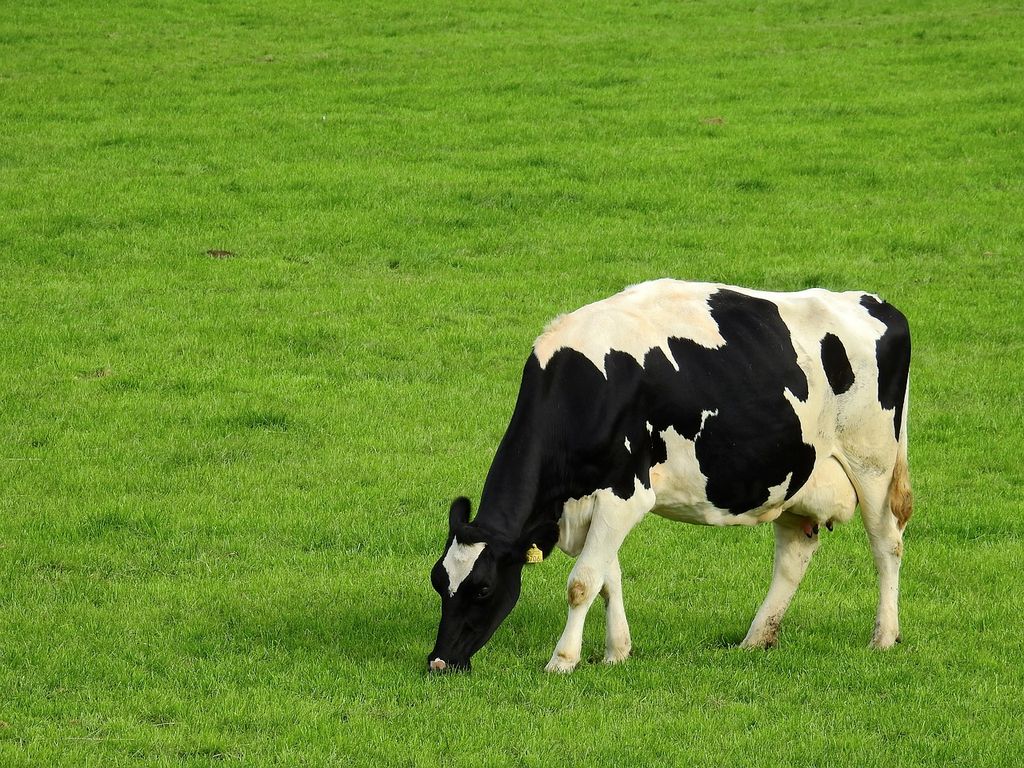
It is important to remember that these are average figures, and growth continues to be recorded within a range of 9kg DM/ha and 103kg DM/ha.
Average farm covers (AFC) have pushed back up to 633kg DM/ha, with average pre grazing yields up at 1,367kg DM/ha.
Meanwhile, PastureBase recorded the average diet as 11kg of grass, 4.7kg of meal, and 3.3kg of silage.
An extended grazing season
The rotation length should be set to 35 days for mid-September, and make all of the farm area available if possible.
This will allow you make the most of the grass available as well as getting the best utilisation possible from the nutrients spread.
Consider implementing a 12-hour strip wire to ensure grass is allocated correctly.
Farms will be tempted to graze on as long as possible giving the situation we have had.
However, it is important to find a balance where you do not close the season with miniscule covers, as you will only be in a tough situation next spring again.
Farms need to stick on target and plan to have 65% of the grazing platform closed with an AFC of 650-800kg DM/ha by November 1.
If AFC is currently at 600kg DM/ha, keeping demand at 30kg DM/ha/day should increase the AFC by just shy of 300kg DM/ha over the next two weeks, if growth rates are in or around the 50kg DM/ha mark.