Bluetongue: Farmers urged to vaccinate and submit samples as cases increase

A second case of bluetongue being identified this week will prompt concern amongst Irish livestock farmers of its spread.
Farmers are being urged by the Department of Agriculture, Food and the Marine (DAFM) to submit samples and vaccinate their herds and flocks due to the risk posed by bluetongue virus (BTV).
At the beginning of September, a heifer in Co. Wexford tested positive for bluetongue.
This is the first case that DAFM is aware of where the animal got infected in 2026, Dr. Avril Hobson, senior superintending veterinary inspector with the National Disease Control Centre told Agriland.
Bluetongue has now also been confirmed in an unvaccinated cow in a Co. Kildare herd.
Dr. Hobson said initial investigations point to this being a recent infection.
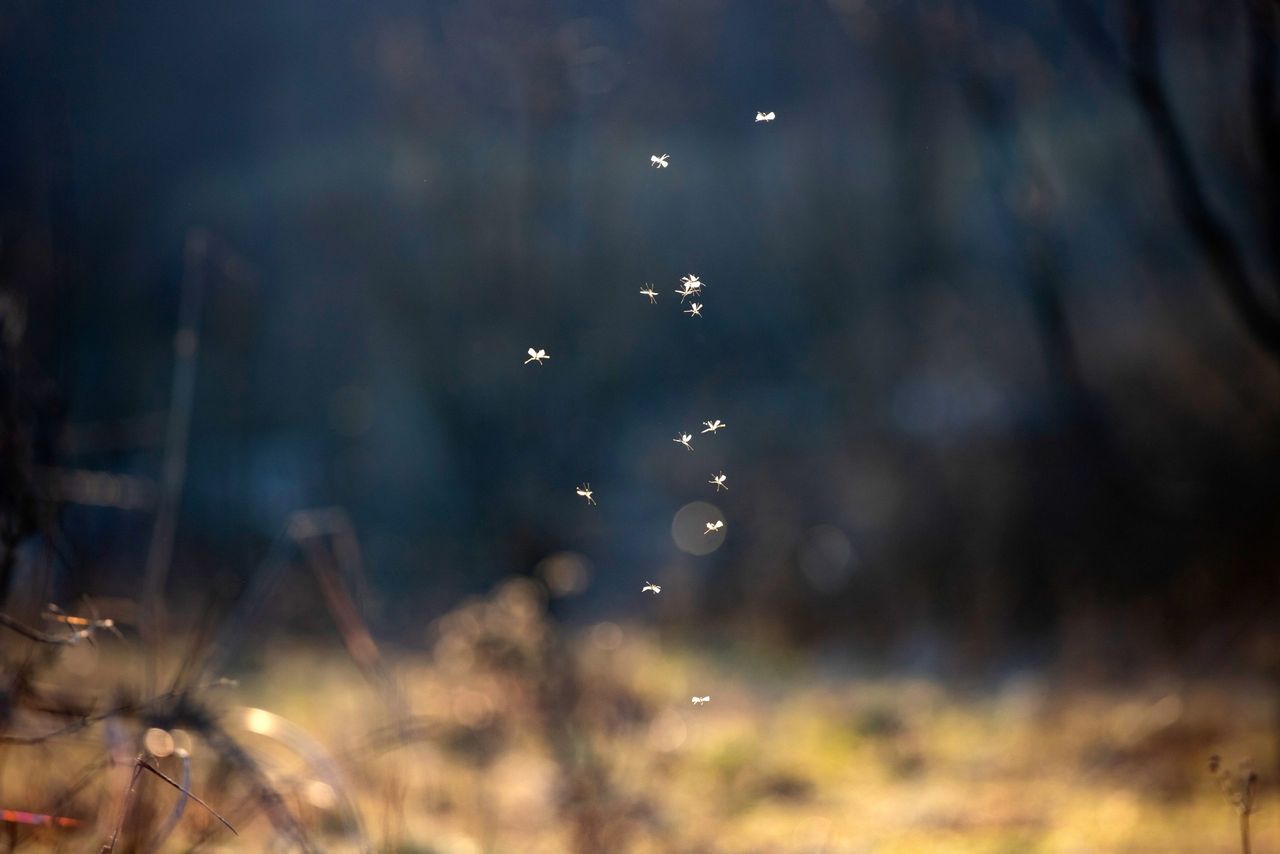
"We're still investigating. It looks likely to be another fresh incursion of midges, infected midges being blown across the Irish Sea similar to how we described what happened for the cases we detected earlier in the year," she explained.
UK
Dr. Hobson noted that Wales and south-west England in particular are experiencing a "significant number of cases".
"The infection pressure over in England and Wales is much higher than it was this time last year," she said.
"There's a much higher population of infected midges, so if the wind conditions are correct and blowing in that north-west direction, then there's more infection pressure being blown across to infect animals.
"So probably the risk is higher this year than last year for those reasons."
Dr. Hobson said the number of cases found is "really related to the number of cases that are notified".
She said DAFM had been doing surveillance in the abattoirs, which is how the first case of BTV-3 confirmed in a suckler herd in Co. Wexford in January was detected - through the culled cow routine surveillance in a slaughterhouse.
Dr. Hobson said this surveillance has stopped as a lot of farmers have been vaccinating.
"When we sample in the meat factory, we're looking for antibodies, and when we were finding positives and we traced back to the farm those animals came from, they had been vaccinated, so basically we were getting false positives.
"There is a different blood you can take to look for virus and that's how you definitely confirm that an animal was infected."
Samples
She urges farmers to submit samples to laboratories or call their vet if they see unusual signs in animals.
These may include unexplained mortalities.
Dr. Hobson continued: "We're coming into our autumn calving period, so I'd ask that any farmers, if they have unusual still-births, calves being born earlier, weak calves, deformed calves, that they would submit samples to their local regional veterinary laboratory, or call their own vet."
Farmers and vets are also encouraged to submit abortion samples to their local regional veterinary laboratory.
Vaccine take-up
Dr. Hobson acknowledged stakeholder collaboration in getting the message out about the importance of vaccination, and this has contributed to a "very high take-up" in vaccination.
However, she said: "There are farmers that, for whatever reason, haven't vaccinated.
"I would still recommend that those farmers should talk to their vets or talk to their neighbours about vaccinating.
"It takes six weeks to protect the cattle and three weeks to fully protect sheep, and it'll last for approximately 12 months.
"So it is almost like an insurance policy.
"When you see what's happening now across the water, it just might put it into perspective that maybe the cost of the vaccine isn't so high - when you can see if you're unfortunate enough to get an infection into your herd, how significant it can be."
A lot of farmers have vaccinated their animals, and Dr. Hobson said "I think they will be very glad they've done that".
Midges
Bluetongue virus is spread by infected biting midges (Culicoides species), many of which are found throughout the island of Ireland.
DAFM said that midge activity levels depend on average temperatures.
The high-risk period for bluetongue spread is when midges are most active.
Traditionally this would be between April and November; however rising global temperatures and mild weather conditions during winter may see midge activity persisting for longer, extending the periods of potential disease transmission.
Wind speed and direction can also affect how far midges can travel and could potentially facilitate the spread of disease.
'Detrimental effects'
Dr. Hobson said that with rams being put out, sheep farmers should consider vaccination as bluetongue can cause temporary infertility in rams.
She said if ewes or the ram got infected around now, "it could have really detrimental effects on the fertility of that flock".
"There's no evidence that the vaccine reduces fertility in ewes or cows, however, bluetongue can cause all of those problems," Dr. Hobson said.
"If you have vaccinated, then you have sort of bought your insurance, and you have your insurance in place.
"However, if you have not vaccinated, I really think it's important to strongly consider that."