Second bluetongue case identified in Ireland in 2026
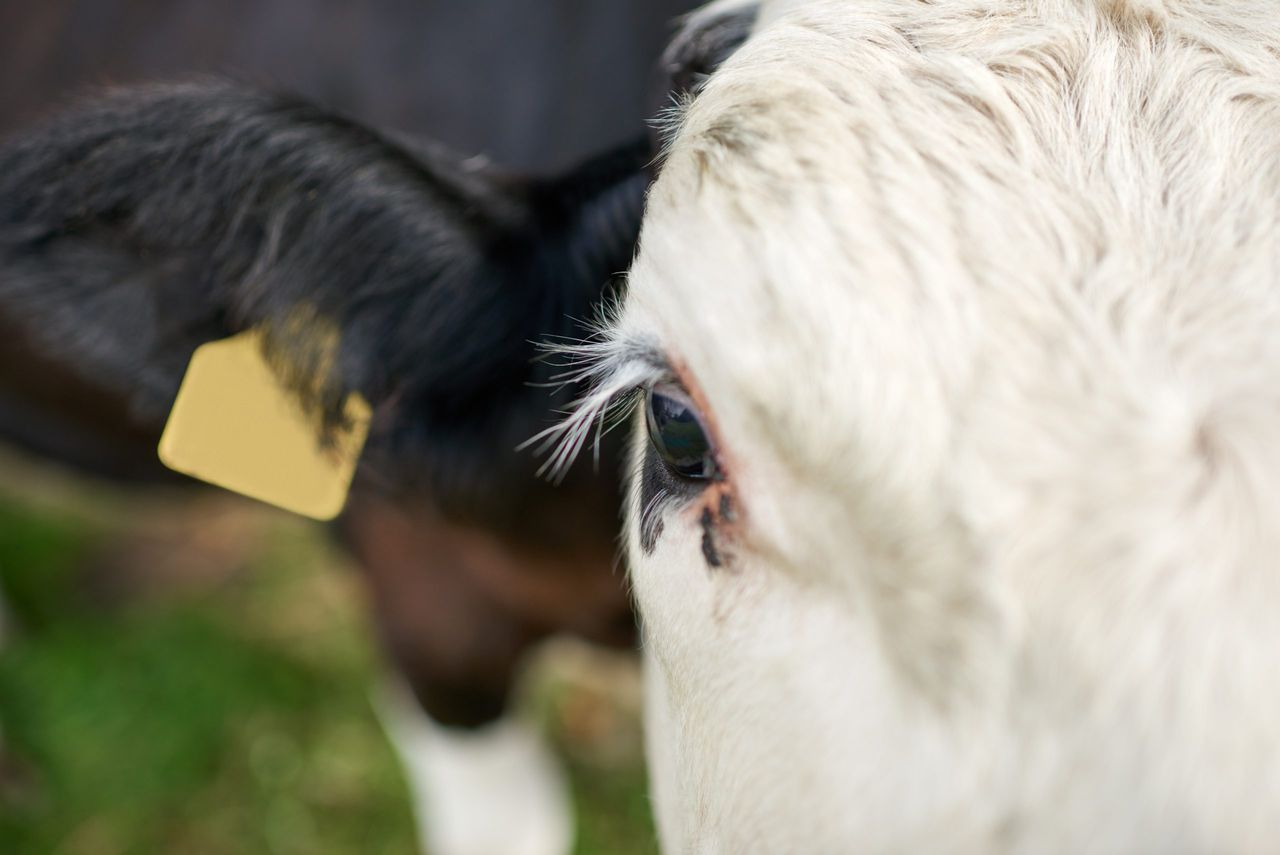
A second case of bluetongue has been identified in Ireland in 2026, after an unvaccinated cow in a Kildare herd developed clinical signs including abortion.
The Department of Agriculture, Food and the Marine (DAFM) confirmed that this is the second case where a BTV-3 infection has been identified this month.
It has outlined that the cow was "sampled under suspect investigation and found to be positive for BTV-3".
No further details have been released.
At the beginning of September a heifer in Co. Wexford also tested positive for the bluetongue virus.
The department said the case was confirmed during a post mortem examination on the 16 month-old animal, which was not vaccinated against the disease.
It is understood that no clinical signs were detected prior to the death of the heifer.
DAFM said the case highlights the importance of submitting unexplained mortalities to the department’s regional veterinary laboratories (RVLs).
The first bluetongue case on the island was detected on a holding near Bangor, Co Down in Northern Ireland last November.
Although there have been just two bluetongue cases so far this year, the virus has been detected in Counties Wexford, Wicklow, Laois, Louth, Monaghan, Kildare and Cork and Tipperary.
Bluetongue
DAFM has warned that since the beginning of July 2026, there has been an increase in confirmed cases of bluetongue virus serotype 3 (BTV-3) in cattle and sheep in England, including cases involving significant clinical signs.
There have been 1048 cases of bluetongue serotype 3 (BTV-3) in the UK in the 2026 to 2027 bluetongue season.
This includes:
916 cases in England;
111 cases in Wales;
21 cases in Scotland;
0 cases in Northern Ireland.
Meanwhile DAFM continues to advise livestock owners to remain vigilant for signs of bluetongue and to consult their private veterinary practitioner regarding vaccination.
DAFM has said it takes approximately six weeks for cattle and three weeks for sheep to develop full immunity following vaccination.