Early planting of winter barley crops now underway

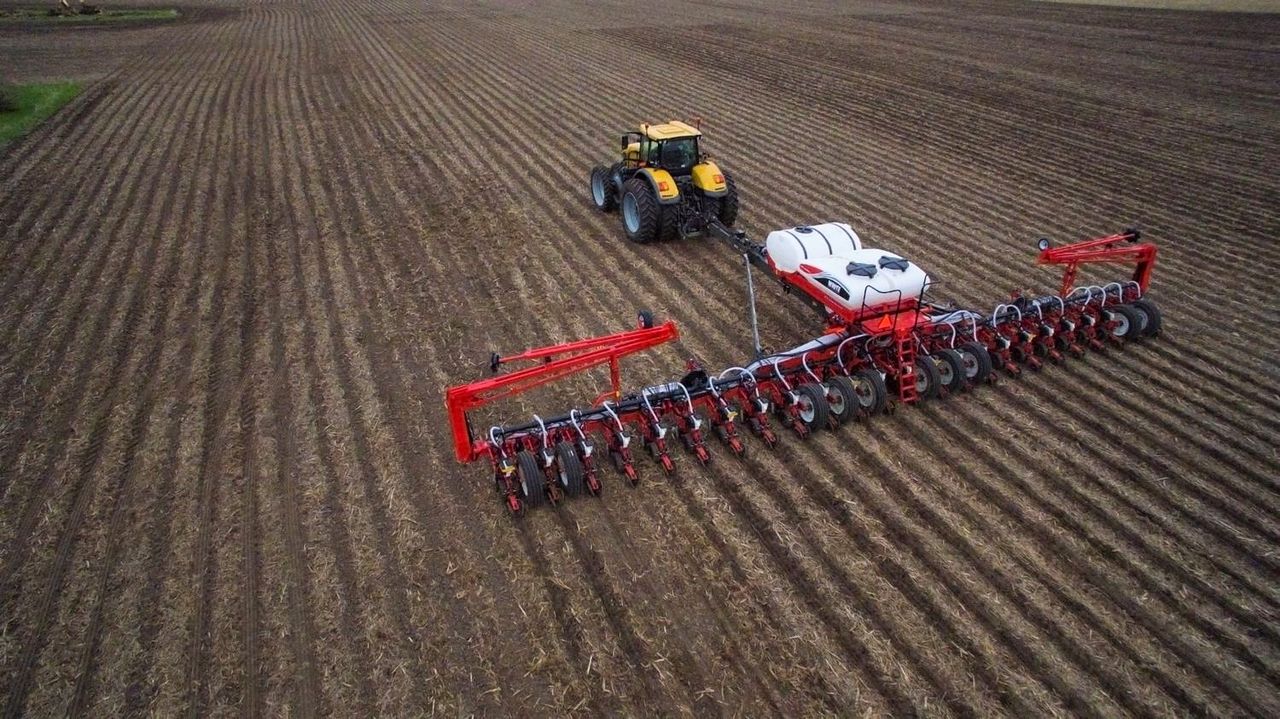
The 2026 Teagasc Crops Forum event was marked by confirmation that the new winter barley planting season is underway.
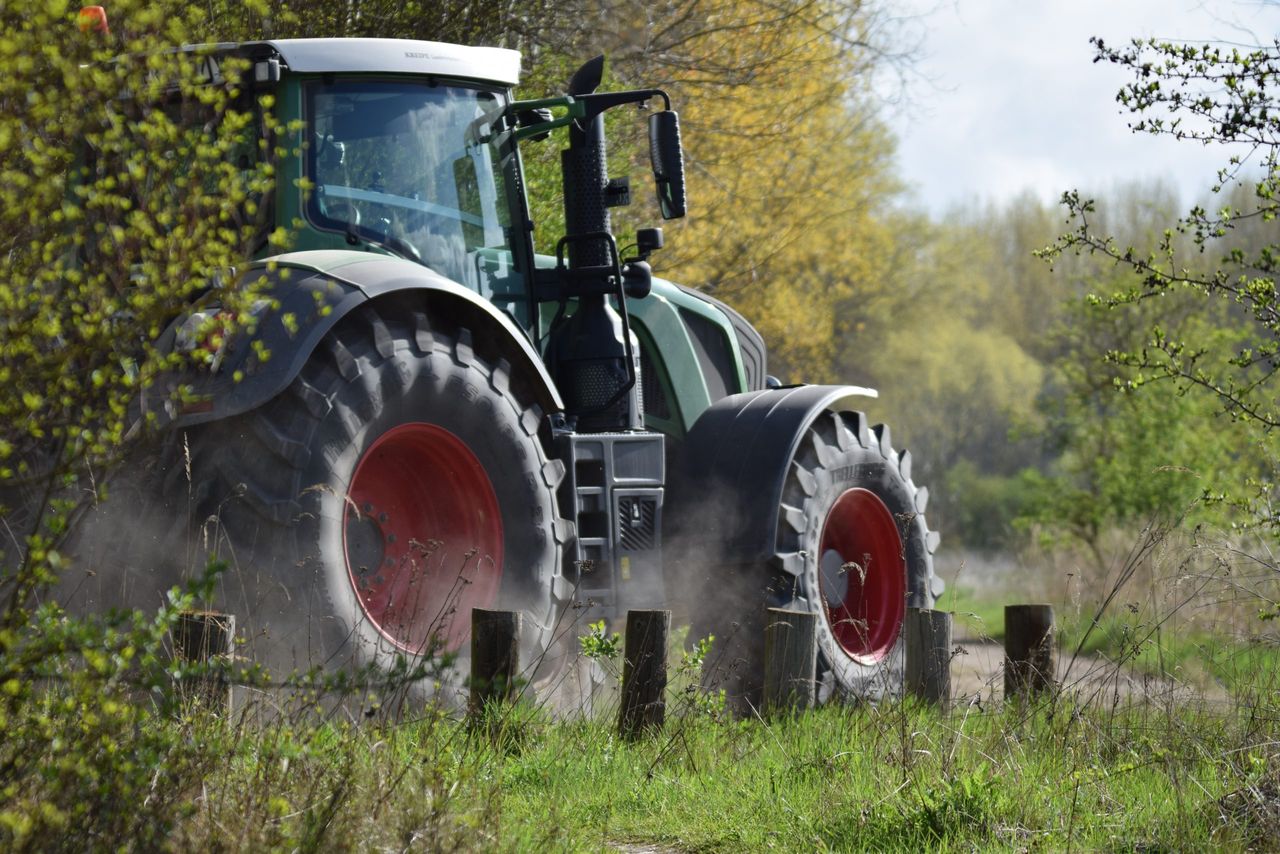
Ground conditions for drilling are currently excellent, and with the prospect of weather conditions remaining reasonable over the coming days, the expectation that growers will push on with field work is high.
But with temperatures still high, the early planting of barley crops brings with it the enhanced risk of Barley Yellow Dwarf Virus (BYDV) infections.
It was an issue addressed by Teagasc entomologist, Dr. Louise McNamara in her presentation to the forum.
She stressed that the use of BYDV tolerant varieties of barley will help to reduce the impact of the disease during periods of heavy infections, adding:
“This trend has been confirmed by ongoing Teagasc research.
“However the advice to farmers remains fundamentally the same: plant that little bit later in the season when the threat of BYVD is that much lower.”
Significantly, Dr. McNamara also confirmed that the pyrethroid insecticides currently available in Ireland remain active against the aphids that host the BYDV-containing virus.
BYDV tolerance
The vast majority of 2027 Department of Agriculture, Food and the Marine-certified barley varieties come with claims of BYDV tolerance.
However, the strains of aphid that carry the virus in Ireland are different to those active in the UK and Europe, where the plant breeding work leading to the development of new barley varieties takes place.
According to Dr. McNamara, this was the key reason why the ongoing BYDV research was instigated in the first place.
In addition, tolerance to BYDV can be delivered in a number of ways.
Meanwhile, the range of insecticide chemistries that can be used to tackle virus-carrying aphids is likely to diminish further in the future.
The next step in the development of new barley varieties will be that of securing full blown resistance to BYDV.
There is also an expectation that wheat varieties with a degree of BYDV tolerance will be commercially available within the next couple of years.
But irrespective of these developments the clear advice from Teagasc is to plant winter barley at those times when the threat from BYDV is at its lowest.
The problem here is that it is extremely difficult to predict what levels of BYDV threat are coming down the track with any degree of certainty.
All of this comes into sharp focus given that one of the earliest autumn planting season in recent years is now underway.