Warning of pressure on weanling prices after Algeria shuts to cattle

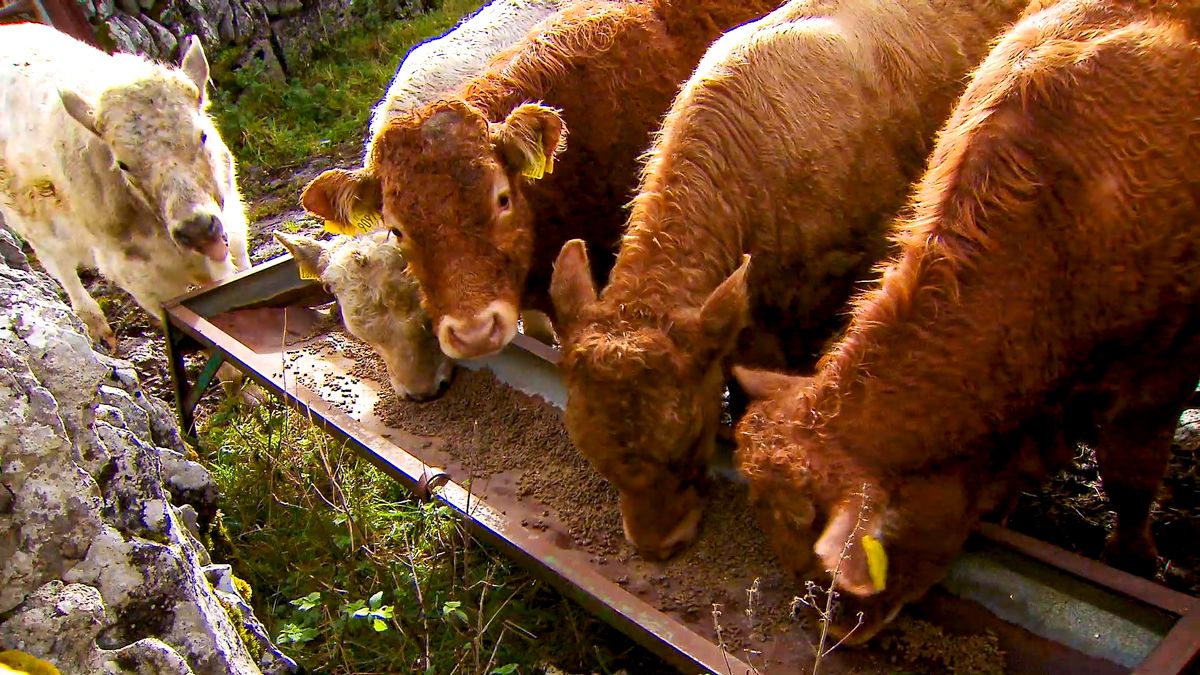
Concerns have been raised that the decision by authorities in Algerian to shut the country's doors to cattle imports will put downward pressure on weanling prices for Irish farmers.
Yesterday (Tuesday, October 27), Agriland revealed that Irish weanling exporters have been informed that Algeria has closed to all cattle imports.
Bord Bia confirmed to Agriland that the Algerian market is "temporarily closed" and that the Irish food board is looking for alternative markets.
One Algerian livestock representative also confirmed to Agriland that Algeria "has officially announced the suspension of livestock imports".
It is understood the decision was made following concerns regarding the potential emergence of a new serotype of the foot-and-mouth disease in the country.
The development has led to significant concerns from Irish farm organisations and live cattle exporters.
The Irish Cattle and Sheep Farmers' Association (ICSA) said that the closure of the Algerian market for cattle imports could push Irish weanling prices down further, with exports "already back 25% on last year".
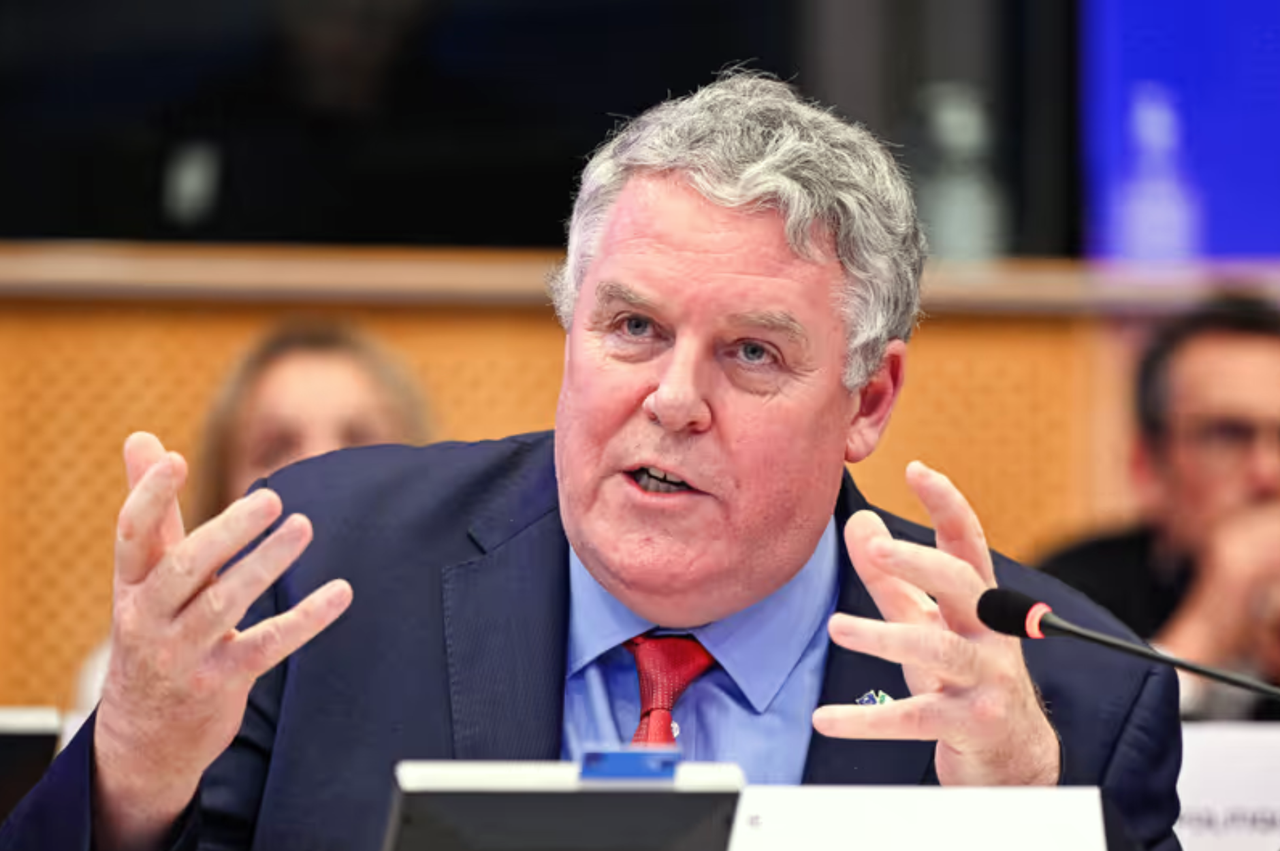
Eoin Ryan, suckler chair with the ICSA, said: "The timing of this closure is a serious concern. We have exported almost 10,000 fewer weanlings than at this time last year, and demand from traditional European markets has also been weaker.
"We cannot afford to lose export outlets when the trade is already under pressure," Ryan added.
Ryan said that the ICSA is aware of exporters with "sheds full of weanlings and struggling to find buyers, while some farmers are bringing weanlings home from marts unsold".
"Export markets are important because they provide a vital outlet for Irish cattle and help maintain competition in the livestock trade," the ICSA suckler chair said.
"If exporters cannot find buyers abroad, that just makes it even harder for farmers to get a decent price for their weanlings."
The ICSA has called on the Department of Agriculture, Food and the Marine and Bord Bia to "do everything possible to get the Algerian market reopened as soon as possible".
"We need to know how long the closure is likely to last and what can be done to find alternative outlets for Irish cattle," Ryan said.
Meanwhile, the Irish Farmers' Association (IFA) has said that the disruption to the live trade with Algeria "is disappointing at an important time of the year for cattle sales".
IFA livestock chairperson Declan Hanrahan said: "Live exports are a critical aspect of the trade for farmers, and it is important that all markets are available to help drive the trade".
"It is hoped this disruption to the Algerian market is shortlived.
"The Department of Agriculture and Bord Bia must engage directly with the authorities in Algeria to determine the full extent of the problems with [foot-and-mouth disease] they are encountering and the likely timeline for a return to normal trading," Hanrahan added.
Exporter reaction
The group representing many of the main players among Irish live cattle exporters has said it has been in contact with the competent authorities in Algeria as the situation develops.
"We are naturally concerned by any development that affects established trading relationships. We do not wish to speculate on the circumstances behind these measures," the group said.
"We fully recognise and respect Algeria's sovereign right to take the steps it deems necessary to safeguard public health, its agricultural sector and its animal population.
"In the meantime, Irish livestock exporters remain fully operational and continue to supply their valued customers and partners in other international markets," the livestock group said.