2026 fodder beet harvest about to get underway


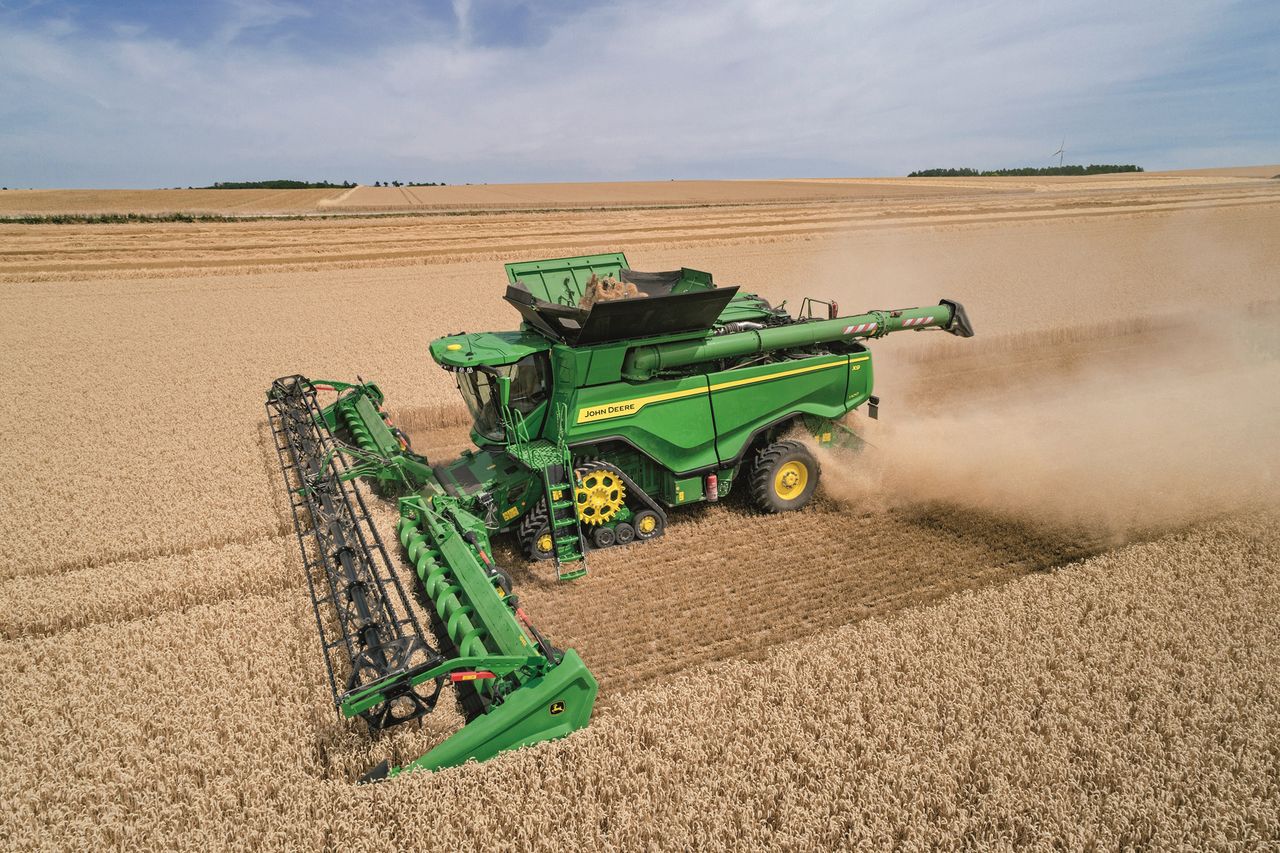
Growers will start to pull fodder beet crops over the coming days, Teagasc tillage specialist Shay Phelan has confirmed.
He added: “All of this land remains in good order despite the recent heavy rain.
“And, in turn, this provides an opportunity for winter wheat crops to be sown directly after the tubers come out of the ground."
The same principle holds where the harvesting of potato crops are concerned, according to Phelan.
He said: “If the weather holds, the beet and potato harvest can be completed in pretty short order.
"This could then provide an opportunity to get up to 10% of the projected winter wheat area planted out.
“But, in overall terms, we are coming to the very end of the planting window for winter cereals.”
Meanwhile, crops of winter oats, barley wheat and oilseed rape, planted during August, September and October continue to grow on well.
Phelan said: “For the most part, crops of winter oilseed rape are very forward. They also have a strong colour.
“On the back of this growth profile, the threat of phoma and light leaf spot is very real. Given these circumstances, growers should walk crops in order to gauge if they need to apply a fungicide.”
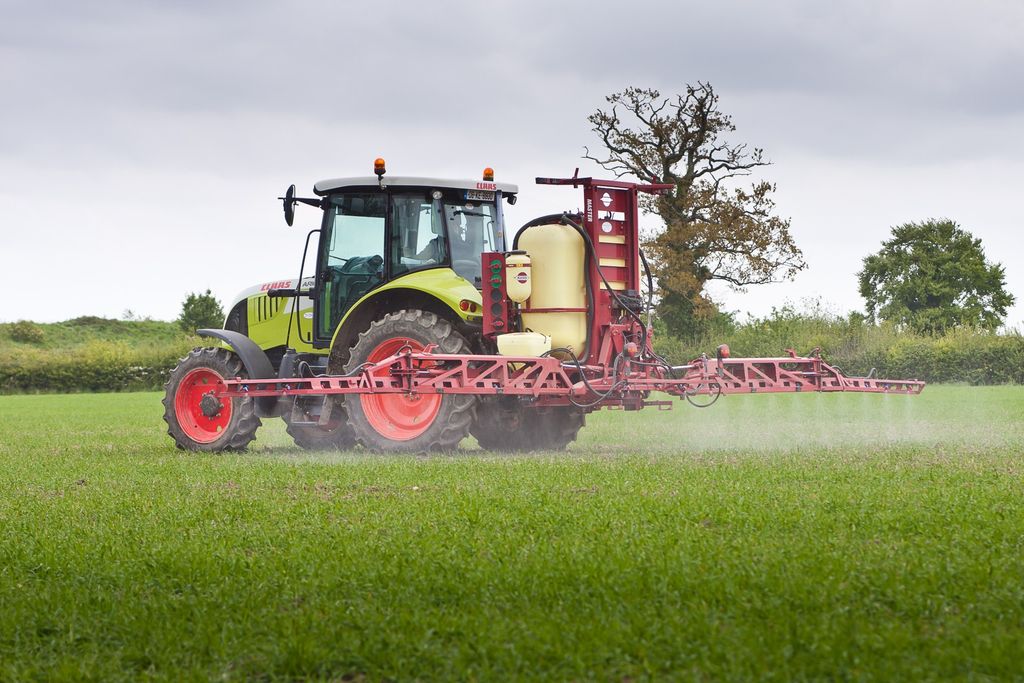
Where early sown crops of winter cereals are concerned, growers will soon be facing up to the decision of applying - or not applying - an insecticide to deal with the potential threat of Barley Yellow Dwarf Virus (BYDV).
“The first week of November is the time to apply an insecticide,” Phelan further explained.
“But this is very much an issue of personal choice. Some growers might think they have enough BYDV protection if they planted out tolerant varieties.
“But then there is the issue of crops planted in coastal areas or in locations where there is known to be a high prevalence of the disease."
Phelan warned that the physical impact of a BYDV attack will not become apparent until next April.
Potatoes
Where potatoes are concerned, the Teagasc representative confirmed a degree of compensatory growth on the back of the rains that fell during the month of September.
He said: “In overall terms, yields are higher than many would have been predicting at the end of the summer.
“But this does not overlook the fact that the drought of 2026 did impact very significantly on potato crops grown in many parts of the country.”