Opinion: Fodder beet is a truly amazing crop


If cattle had pocket money, they would buy fodder beet with it.
This was a view expressed at a farmers’ meeting some years ago.
And how right the ruminant nutritionist in question was.
I have never grown fodder beet or used it. But I have been on a number of dairy and beef farms where the crops is used as a staple feed source.
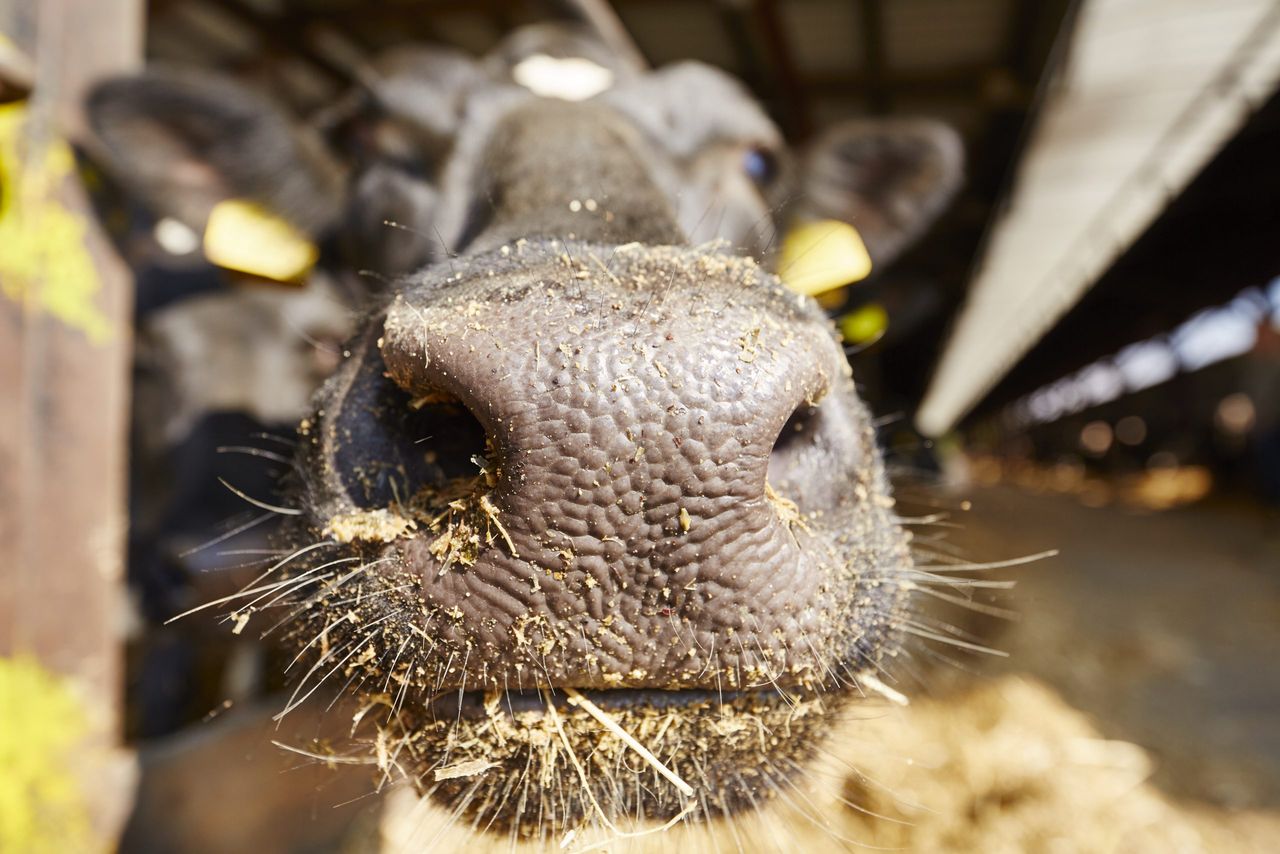
Cattle will trample over anything in their way when they know there is a feed bunker containing beet available to them.
Harvest
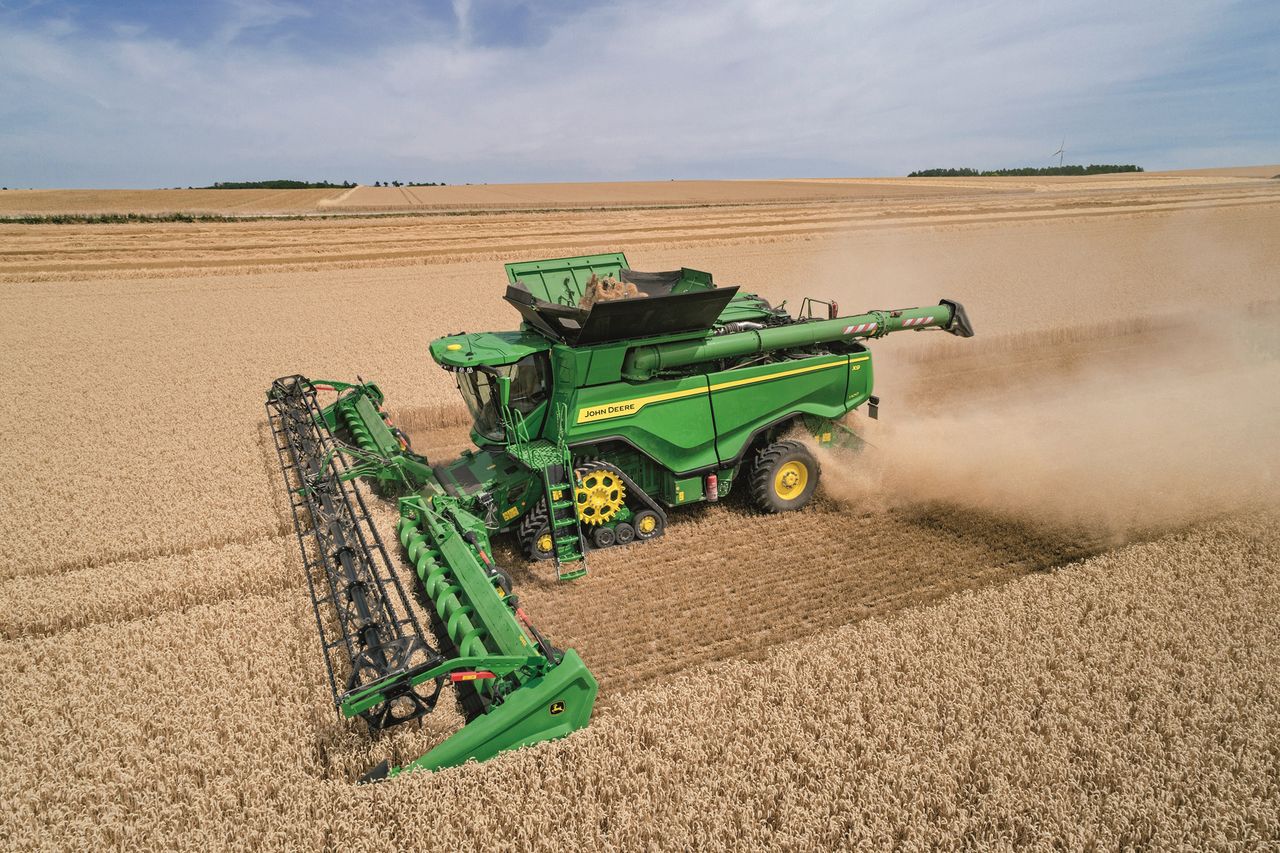
Meanwhile, this week marks the start of the 2026 beet harvest. Yes, the storms of recent days have softened ground conditions in most beet growers.
But with high pressure building later this week, harvesting machinery should be fully engaged with the work in hand well before the weekend.
It is also turning out that beet is a very resilient crop with a strong ability to withstand the toughest of drought conditions.
This was confirmed in Ireland last year and again in 2026. The attribute that beet brings to the table in this regard is plants' ability to demonstrate strong levels of compensatory grown once the rains return.
There is little doubt that demand for fodder beet will be strong over the coming weeks and months as livestock farmers strive to eke out the fast diminishing stocks of grass silage made earlier in the year.
In fact, it wouldn’t surprise me to learn that beet growers already have customers for all the crops they planted out in 2026.
And the same can be said for forage maize.
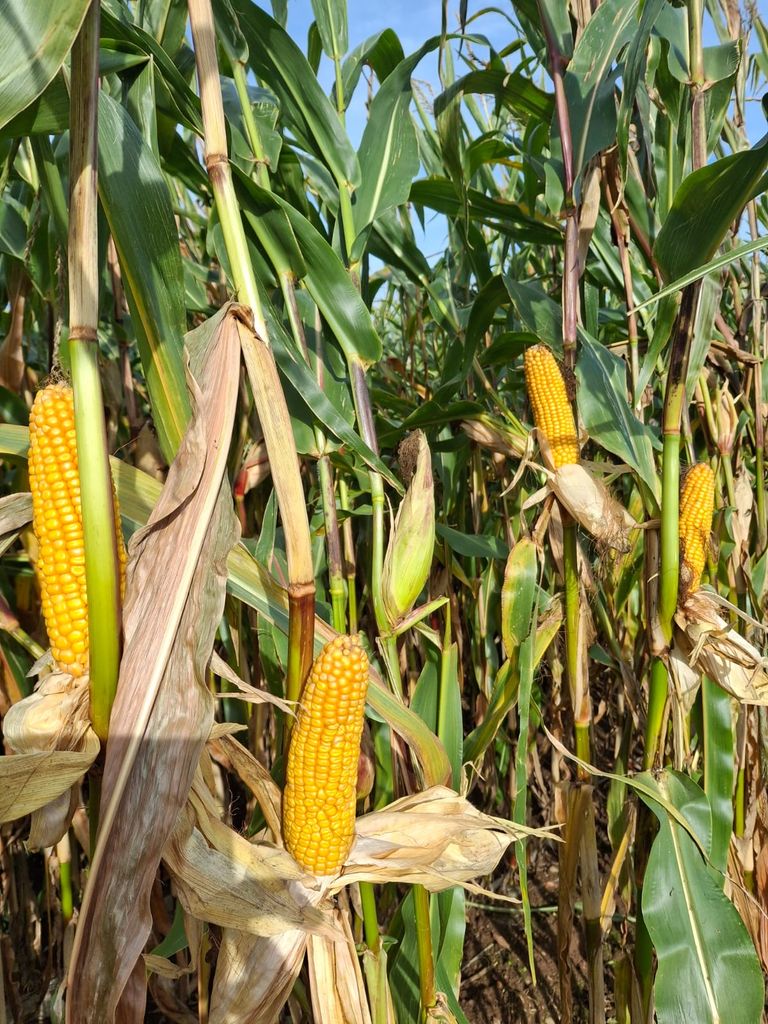
As ruminant agriculture in Ireland continues to evolve, one of the most prominent themes now very apparent is the growing role for alternative forages. Maize and beet lead the way in this regard.
Driving this trend is a combination of two fundamental realities.
First off, maize is no longer a marginal crops under Irish conditions. And the same can be said for fodder beet.
However, in addition, both crops represent extremely valuable energy sources within ruminant diets: the term "rocket fuel" comes to mind in this regard.
Another key factor to consider is the fact that tillage farmers are well placed to grow both beet and forage maize.
And at a time when the crops’ sector continues to come under intense economic pressure, this is a good news’ story, particularly for those growers who no longer view malting barley as a spring cropping option with that ‘value added’ bonus.