Latest CAP plan 'cannot provide certainty' farmers need

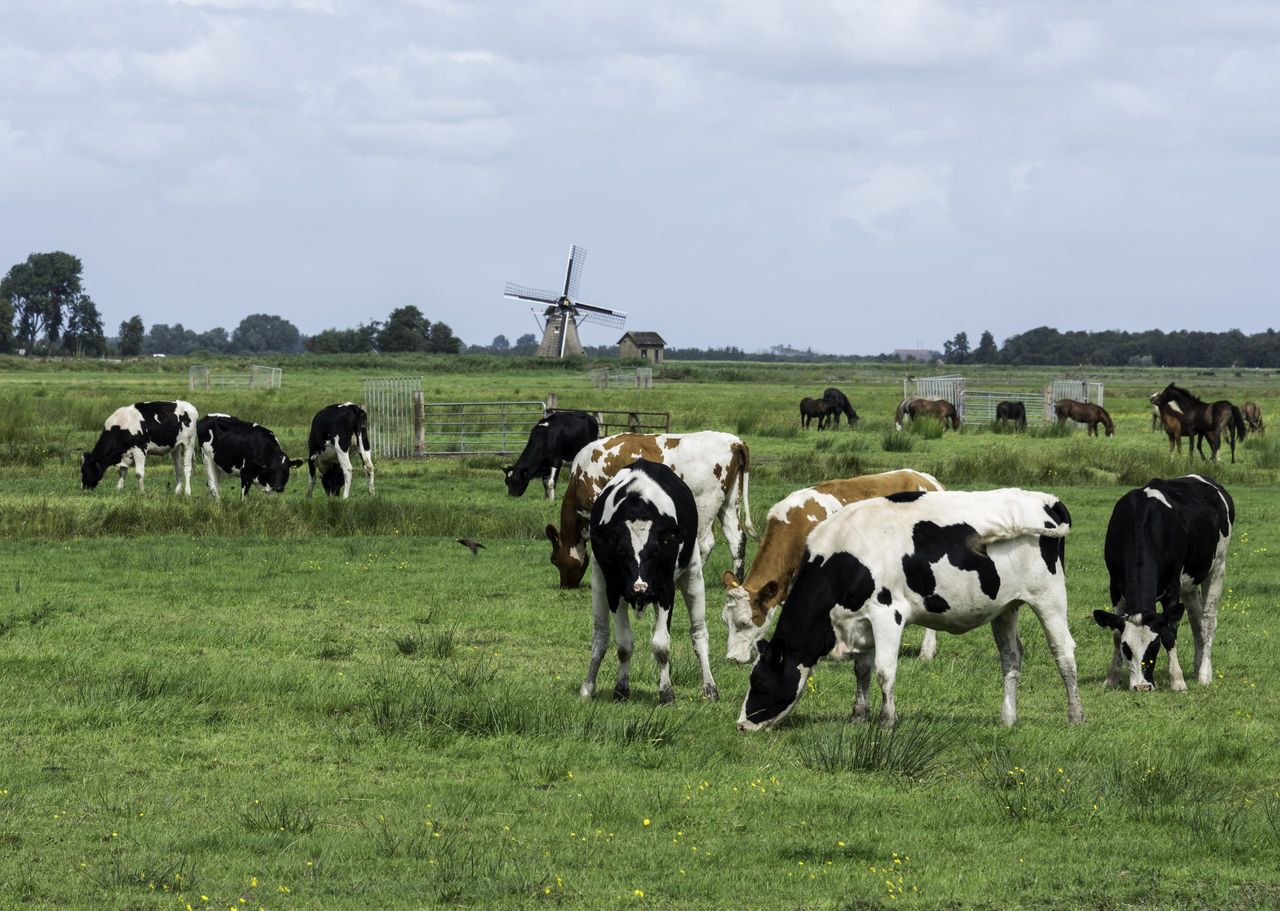
EU farmers have reacted critically to the latest proposals for the next Common Agricultural Policy (CAP) published this week.
The new plans were developed by member states under the direction of the Irish presidency of the Council of the EU.
The plans retain much of the more controversial aspects of the original European Commission proposals from last year, including the abolition of the traditional two pillar system; and the lumping of CAP funds in with wider National and Regional Partnerships Plans (NRPP).
EU farm organisation Copa Cogeca has noted that the shape of the next CAP as backed by member states does not currently have any confirmed level of allocated funding from the next long-term EU budget.
This, along with other issues, "cannot provide certainty that European farmers and agricultural co-operatives urgently need", Copa said.
The farm organisation welcomed some aspects of the plan, and acknowledged some improvements compared to the commission's original plan, including definitions on eligible hectares and active farmers, and provisions on retired farmers.
However, Copa said "significant shortcomings remain".
The organisation said it remains concerned over checks on land, new 'farm stewardship' requirements, and proposed controls and penalties rules.
Copa Cogeca, which also represents agricultural co-operatives, criticised what it called a "lack of explicit recognition of agricultural co-operatives in investment support" in the proposals.
According to the farm group, three fundamental issues remain unaddressed, namely the common nature of the CAP across the EU; the CAP budget; and the additional funding sources to top up the budget.
"Anywhere but in Brussels, such a situation would be considered utterly absurd. Yet yesterday, agriculture ministers agreed on the rules governing a policy without knowing what financial resources will be available to implement it," Copa said.
The group said that the current budget allocation on the table for CAP would result in a 20% cut in most member states in the amount of funding available to farmers.
The European Parliament is still finalising its own position on the next CAP, and Copa said that MEPs have "a crucial responsibility to address the shortcomings" of the current proposals.
The group said the final negotiations between the parliament, member states and the commission "will need to deliver substantial corrections, not simply adjustments at the margins".
"Farmers and agricultural cooperatives need more than a regulatory framework, they need the resources, predictability and confidence to continue producing, investing and remaining competitive," Copa said.