Cross-party Irish MEPs propose plan to boost next CAP by €90bn


A cross-party group of Irish MEPs have proposed a plan that would go some way to covering the tabled cut to the EU's Common Agricultural Policy (CAP) budget for 2028-2034.
Last year the European Commission proposed a post 2027 CAP-budget of around €295 billion, around €90 billion less than was allocated for the current CAP.
As well as that, the commission's proposal would see the CAP budget bundled into so-called National and Regional Partnership Plans (NRPPs), from which other funding priorities, not just agriculture, would have to be funded at a national level.
These proposals were universally criticised by farm organisations, and were also heavily criticised by many MEPs, some environmental groups, and Ireland's Minister for Agriculture, Food an the Marine Martin Heydon.
A group of Irish MEPs have put forward a plan that would supplement the amount of money available in the next CAP by €93 billion, which would put the overall figure on roughly equal footing as the budget that was allocated to the current CAP (although when inflation is accounted for this would still be lower than what the current CAP got).
Nine Irish MEPs are promoting this plan, including all the Fianna Fáil ones (Barry Cowen, Billy Kelleher, Cynthia Ní Mhurchú and Barry Andrews); all the Fine Gael ones (Nina Carberry, Seán Kelly, Maria Walsh and Regina Doherty); and independent MEP Michael McNamara.
Their proposal comes ahead of an expected announcement this weekend of a partial agreement among EU member states on how the next long-term EU budget - and with it the next CAP - should look.
The cross-party group of Irish MEPs have written to the key decisionmakers of the EU to outline their proposal, including European Commission president Ursula von der Leyen; European Council president Antonio Costa; Commissioner for Agriculture Christophe Hansen; and Commissioner for Budget Piotr Serafin.
The Irish MEPs' plan would use two existing funding measures, currently earmarked for other purposes, to direct extra funds to CAP.
The first is a €45 billion fund which is currently only available after a mid-term review of the National and Regional Partnership Plans in the middle of the next EU budget seven-year period.
The MEP proposal would bring that money forward to the start of the budget period and ringfence it exclusively for agriculture.
The second funding measure is €48 billion allocated for rural development outside of the CAP programme, which, under the MEP plan, would be instead moved in under the CAP umbrella to fund farm schemes.
These proposed changes would not require the creation of new funding streams or place an additional burden on member states to contribute more than required under the commission's current budget plans.
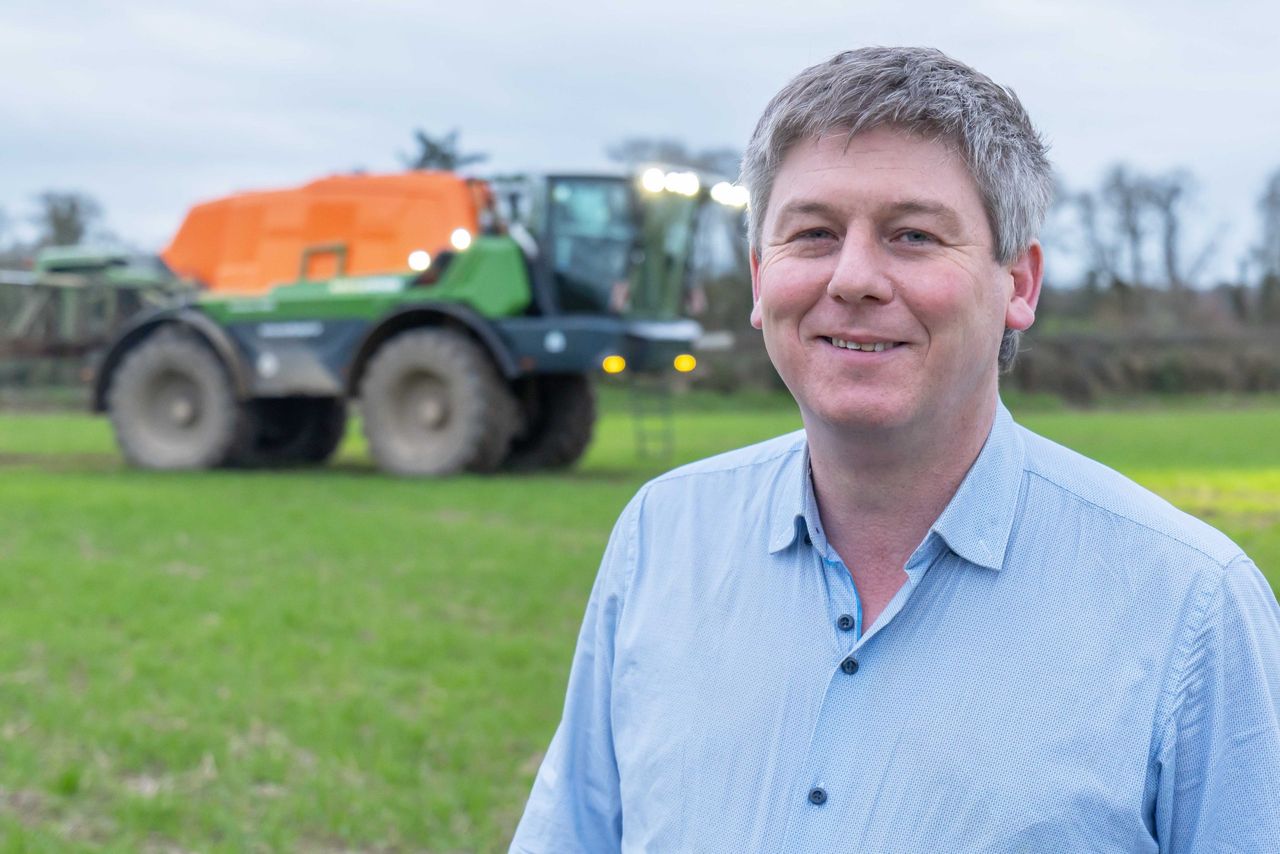
According to Fianna Fáil MEP Barry Cowen, the Irish MEPs' plan offers "a credible starting point" for maintaining existing funding, before pursuing further increases to address inflation and the growing demands on European farmers.
He commented: "Everybody in Brussels seems to agree that farmers need more money. But agreement is the easy part.
"The real test of political leadership is showing where that money will come from, particularly when governments across Europe are facing enormous competing demands," he added.
"We have defence obligations, geopolitical instability, pressure on public finances and taxpayers understandably demanding value for money," Cowen said.
"Simply repeating that we want a bigger CAP budget will not put another euro into a farmer's pocket.
"We need to move beyond the slogans and start putting credible figures and solutions on the table," the Ireland Midlands North-West MEP said.
However, he said the proposal from this group of Irish MEPs "is not the end of our ambition".
"It is a practical starting point from which we can fight for further improvements, including inflation protection," Cowen said.
He added that there is "a shared recognition" among the MEPs involved that "Irish farmers cannot afford another seven years of uncertainty over the future of their livelihoods".