Irish Dairy's Grass-fed Strength
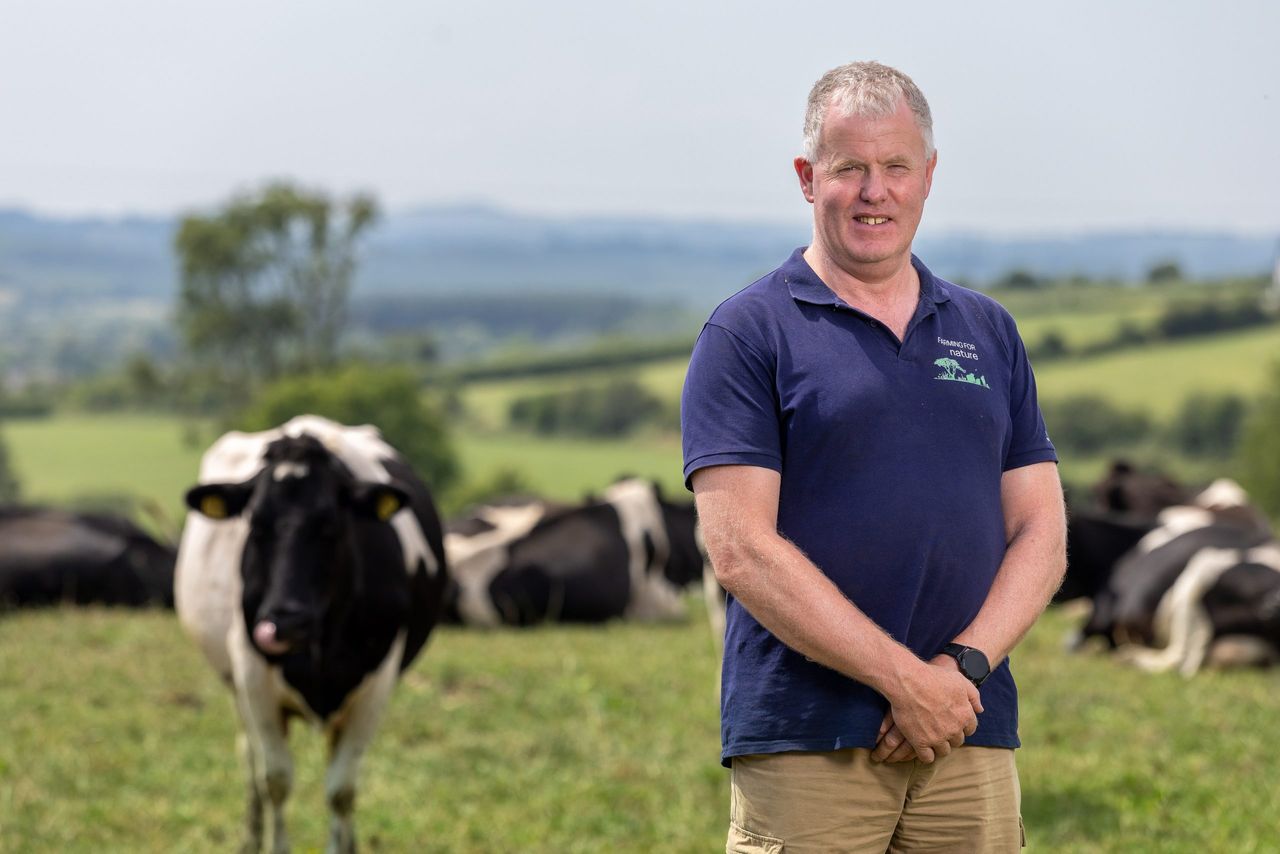
In this second article in the Irish Dairy's Grass-fed Strength series with Ornua and Bord Bia, we meet dairy farmer and agricultural adviser Martin Crowe, from Doon, Co. Limerick.
Martin outlines how he manages grass on his 200-cow farm and why getting soil fertility right is key to grass and clover growth.
We also hear from Bord Bia head of dairy David Kennedy on why grass-fed matters to dairy customers around the world, and how Bord Bia verifies the grass-fed credentials of Irish dairy.
Keeping grass growing in challenging conditions
Martin farms with his wife, Jo, and five children in Doon, Co. Limerick, milking 200 cows.
He also works as an agricultural adviser, with dairy and beef farmers among his clients.
In a normal summer, Martin would be working on a 17-18 day grazing rotation, reflecting the strong grass growth that would typically be expected.
However, this year’s drought conditions have changed the picture.
He explained: “Normally this time of the year [July/August] ,we’d be on about 17- or 18-day rotation, like, because grass growth would be very good, but the drought conditions we have at the moment have slowed that down.”
(This video was filmed in July 2026).
For Martin, one of the key lessons from managing grass is the importance of getting soil fertility right.
Soil fertility
Through his work as an adviser, Martin sees soil test results from farms across the country and said they can provide a clear indication of where nutrients need to be targeted.
“My advice would be first and foremost would be to soil fertility," he said.
He added that different fields on a farm can have very different requirements, depending on their location, soil type and how they are used.
“You need to be more careful with where you’re applying your nutrients to get best use of your slurries and whatever, and to get the soil fertility right in the pastures,” he said.
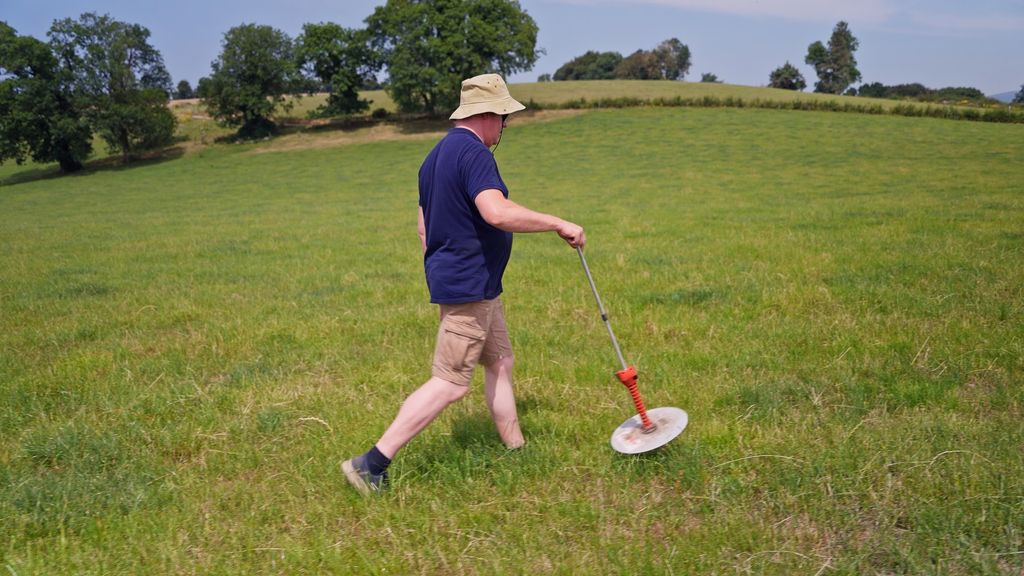
On his own farm, soil testing is carried out every two years.
He considers maintaining the correct balance of phosphorus, potassium and pH is particularly important when it comes to growing both grass and clover.
“You won’t grow grass, you particularly won’t grow clover in the sward unless the P, K, and pH levels are correct in the soil.”
As a result, he places a strong emphasis on maintaining soil fertility across the farm.
Martin has also incorporated multi-species swards into his grazing system, with a new area reseeded shortly before filming.
“We only reseeded there two weeks ago with multi-species, so we’re waiting for it to germinate and grow,” he said.
He has previously used multi-species swards and said he has found them to be a useful addition to the rotation.
“I find it very good, so it’s a nice mixture in the rotation," the Co. Limerick dairy farmer added.
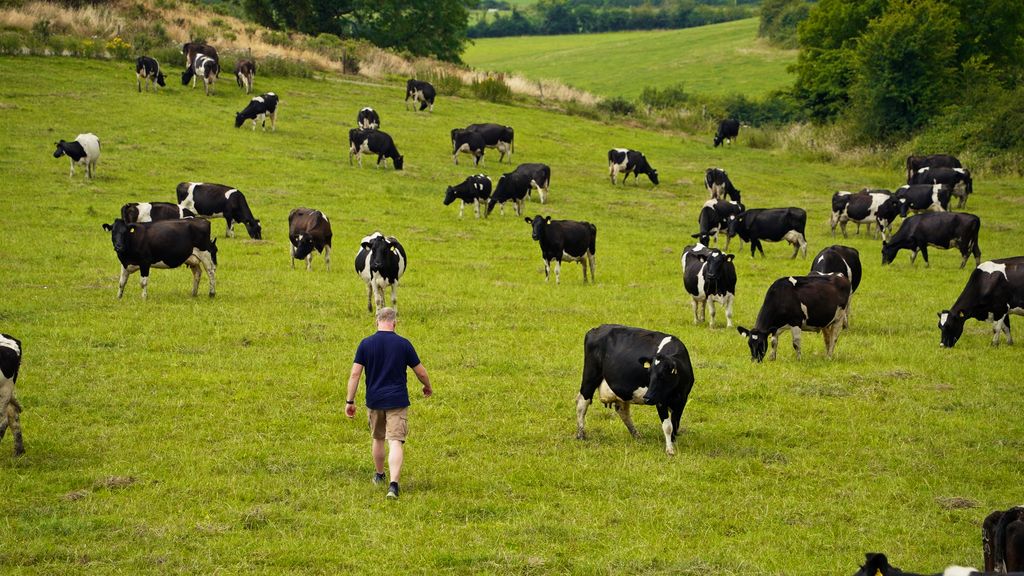
The farm’s approach also extends beyond grassland management, with Martin placing an emphasis on biodiversity and farming alongside nature.
Hedgerows have been planted, ponds and settlement ponds created, and trees planted across the farm, alongside the use of clover and multi-species swards.
“I’m very conscious of nature, working the two hand-in-hand.”
For Martin, outdoor grazing, animal welfare, and good stock management are closely linked to the performance of the farm.
“I mean, I think it’s their natural habitat here. It’s fantastic. I mean, the cows are content.
"We have to look after them and have them content and be in the best shape that they can be in," he said.
Why grass-fed matters to global customers
According to David Kennedy, Bord Bia’s head of dairy, the way Irish dairy is produced is increasingly relevant as global food companies set carbon reduction targets.
He said major global customers are setting net-zero targets and are increasingly looking to suppliers that can demonstrate lower-carbon dairy production.
“They’re prioritising suppliers… who can give them lower carbon products.”
Kennedy said this can create opportunities for Irish dairy, with customers looking to increase sourcing from countries and companies that can demonstrate lower-carbon production.
However, he stressed that such claims need to be backed up by robust, independent evidence.
“That lower carbon claim has to be robust, has to be backed up by something independent," David said.
David said there is growing interest among global customers in Ireland’s Sustainable Dairy Assurance Scheme and Origin Green, and the role they can play in demonstrating the sustainability credentials of Irish dairy.
He explained: “The idea is it [Origin Green] puts Ireland to the front of the queue when those global manufacturers are deciding who they’re going to source from."
The Irish Dairy's Grass-Fed Strength series is a collaboration between Agriland, Ornua and Bord Bia