What could the cattle import ban in Algeria mean for a $635m dairy contract?

The news reported by Agriland that Algeria has closed its market for cattle imports could put pressure on a US$635 million dairy contract.
The Qatari-based company, Baladna signed contracts just over a year ago to build one of the world’s largest integrated dairy farm and milk powder production facilities in Algeria.
Baladna entered a joint venture with the Algerian government via its National Investment Fund, with the investment reported to be worth $3.5 billion.
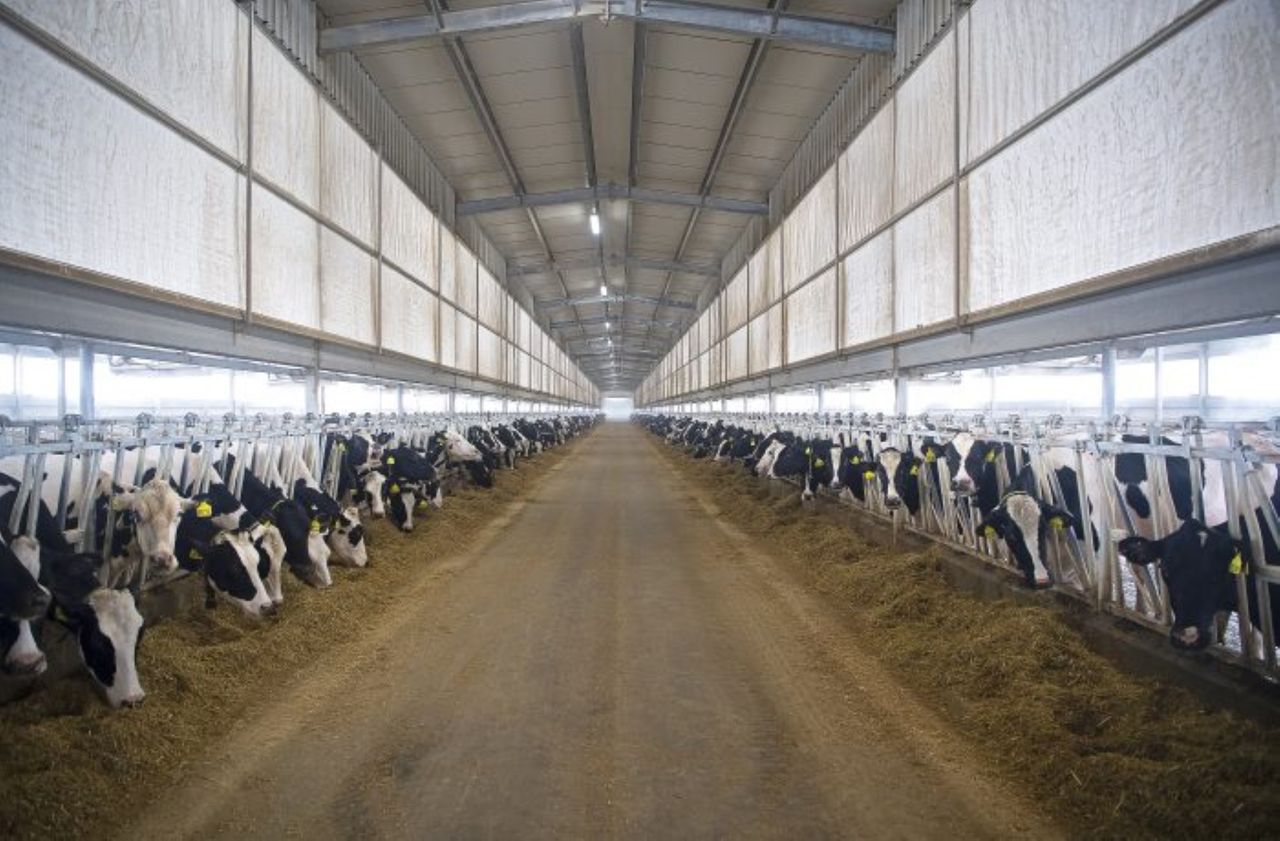
The project is to consist of a production plant built by GEA, as well as a number of supplier farms, equating to a total herd size of more than 270,000 cows, farmed across 117,000ha of land.
Earlier this year, Baladna announced that is had reached "a major milestone in its $3.5 billion Algeria dairy project", as the company signed over $635 million to initiate the second phase of the contract.
Over $500 million had been spent on the first phase already.
According to Baladna, the second phase is to include "one of the largest coordinated livestock airlifts globally", as 109 flights were set to carry more than 30,000 Holstein cows from nine US states to Algeria.
It is understood that these flights were to take place over a 10-month window, with approximately 10 shipments of 300 cows each leaving on a monthly basis.
The first animals were set to arrive in Algeria in November 2026, with Baladna stating this timeline would enable a smooth transition into the project’s operational phase and allow for successful herd development.
However, as of today (Tuesday, October 27), it is understood that the Algerian market is "temporarily closed".
Baladna
The construction of the milk powder production facility is well underway and is expected to supply up to 50% of Algeria's powdered milk demand once complete.
Baladna expects 15,000 jobs to be generated by the facility in the local community, as well as a further 1,200 in the US through procurement and logistics of the dairy herd, generating approximately $250-$300 million into the US economy.
The Holsteins were being sourced from: Arizona; California; Colorado; Idaho; Indiana; Iowa; Kansas; Texas; and New Mexico.
The company said that despite the higher costs, it made the decision to fly the animals across the Atlantic in an effort to gain greater control over veterinary care, strengthening biosecurity, and ensuring the herd is ready to be integrated into operations in a timely manner.