The impact of soil fertility on your growth rates

Soil fertility has the potential to severely impact grass growth, and it is doing exactly that on many farms across the country.
Grass growth has being exceptional over the last month with most farmers growing more than the demand.
However, with growth rates falling back last week, farmers should be looking at the broader picture.
Farming is constantly getting more and more efficient, especially as we work with regulations such as nitrates.
That is why consolidating what we have is essential, and that ultimately starts with soil fertility.
We all know the importance of nutrients in terms of phosphorus (P) and potassium (K) and how they should be at index three or four.
However, if the soil pH is not optimal, the plant simply cannot make efficient use of the nitrogen (N), P or K that is applied to the ground, meaning a large amount of fertiliser being spread is simply a costly waste.
Soil pH should be above 6.3 for grass-only swards. In order for clover to persist in swards, ideally the pH of the soil should be 6.5.
Land is no longer as valuable as it once was in terms of production or profitability/acre, as it can not be stocked like it used to be.
Therefore farmers need to develop soil health plans in order to maximise their production/acre and boost overall profitability.
Soil fertility
According to Teagasc, soils on dairy farms are still significantly below the levels required for optimum pasture growth and nutrient use efficiency.
In the 2025 soil fertility report, only 25% of soils were at optimum pH, P and K, which is a 5% improvement on the 2024 report.
56% of the soils tested had a pH of over 6.2, which was also an 8% improvement on 2024's report.
43% of soils were still at suboptimal levels for P, although this too is an improved figure compared to the 52% recorded in 2024.
Meanwhile K levels were recorded at index one and two on 41% of recorded soils in 2025.
In terms of solely dairy, 34% of soils on dairy farms had sufficient fertility, with 37% of samples suboptimal for pH, 35% of farms lacking on P, and 35% of farms in K deficits.
Grass dry matter (DM) production on Paturebase Ireland recording farms averaged 13.2t DM/ha/year in 2025.
That was up from the three-year average of 11.9 recorded between 2022 and 2024.
However, if farms can nail down soil fertility, they can target 15t DM/ha/year.
Driving performance
It is clear that soil fertility is going in the right direction, but more work is needed.
The results from improved soil fertility can take time, so targeting parts of the farm with the poorest fertility should be completed first.
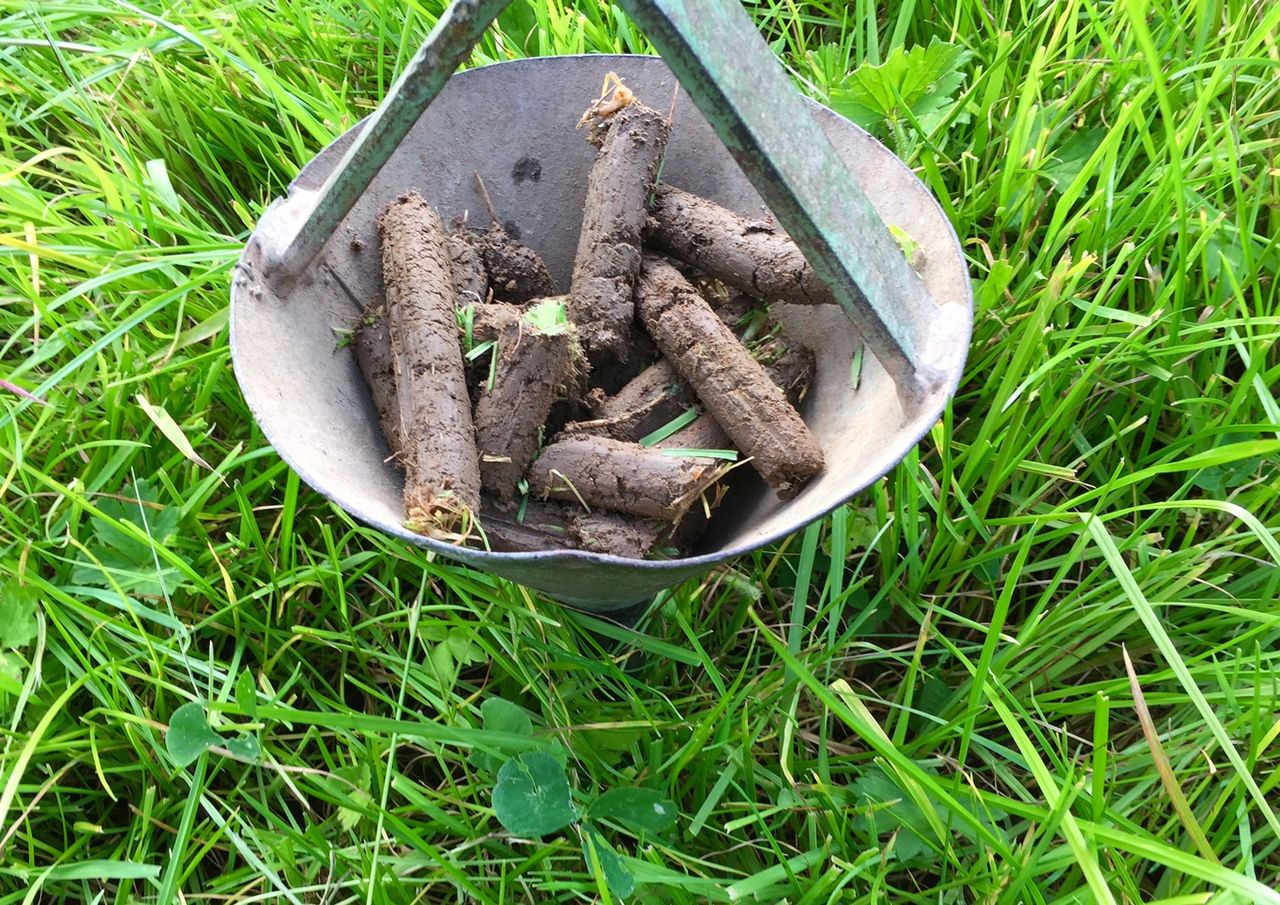
Once soil samples are obtained, a proper nutrient management plan can be created.
Paddocks that are underperforming and have a high weed burden and poor soil fertility should marked for reseeding to rectify the fertility, boost production, and suffocate weeds.
Liming paddocks should be done when it is determined that soil pH has fallen below the desired levels as it has one of the quickest returns on investment across any measure taken on farms.
For every €1 invested, it will return up to €7 in the form of extra grass growth, reduced N usage, and increased soil fertility.
Ideally, when paddocks have just been grazed and covers are low, lime should be applied to paddocks that require it, which can be identified from your soil samples.
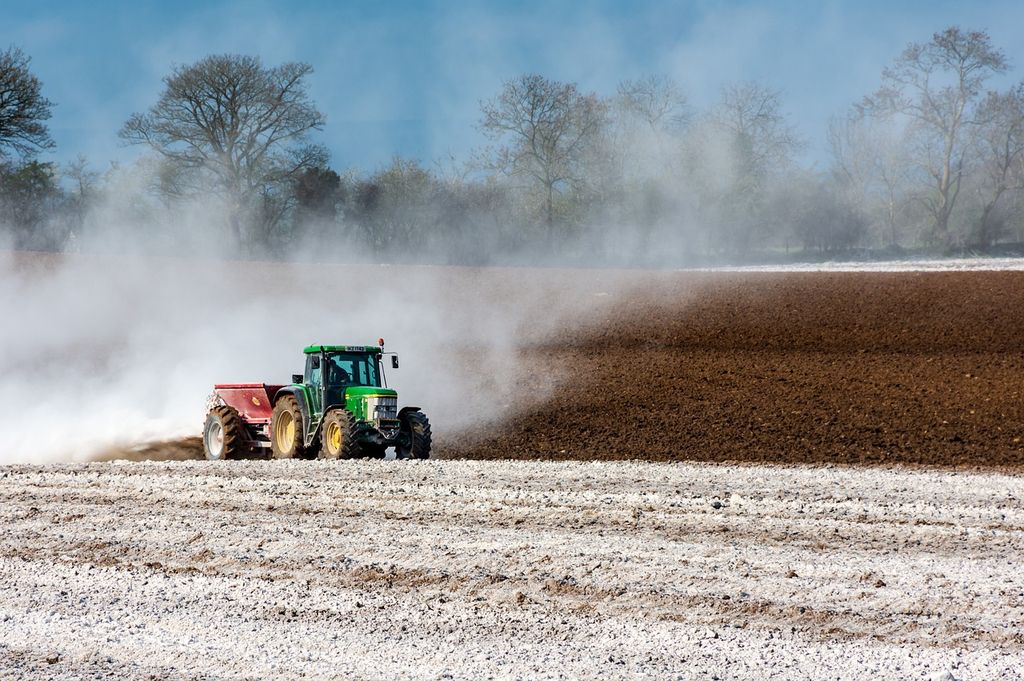
This may require a farmer to order a load of lime - which is about 20t - after each grazing rotation to correct soil pH. One load will cover about 10ac at about 2t/ac.
Spreading lime on high covers of over 800kg DM/ha should be avoided, as this can lead to residues remaining on the grass when cows get back around to graze it.
Lime should be applied 'little but often' without exceeding 5t/ha in a single application.
Applying a split application of 2.5t/ha over a number of years will allow you to build soil pH in stages over time.
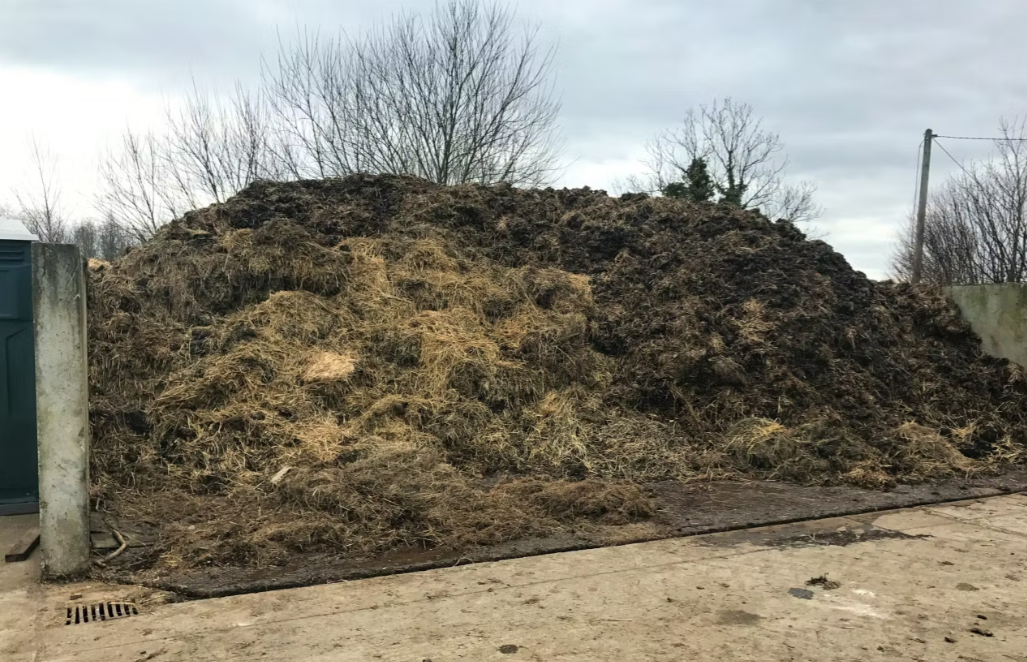
Organic manure - be it slurry or farmyard manure - should be targeted at lower P and K index fields.