Clostridial diseases on beef farms: Advice on risks and prevention

‘Clostridial disease’ is a general term that covers a number of serious conditions in cattle, including blackleg, tetanus, botulism, malignant oedema, pulpy kidney, and black disease.
One of the main challenges with clostridial diseases is how fast it can strike and in many cases, the first sign is finding a dead animal.
Blackleg can kill strong, healthy cattle within a few hours.
Sometimes, warning signs can be observed beforehand, such as swelling in the muscle, lameness, fever, or stiffness but often the disease moves too quickly for these to be noticed in time.
Teagasc DairyBeef 500 adviser, Gordon Peppard explained that blackleg and tetanus are the most commonly seen clostridial threats in growing cattle In Irish beef systems.
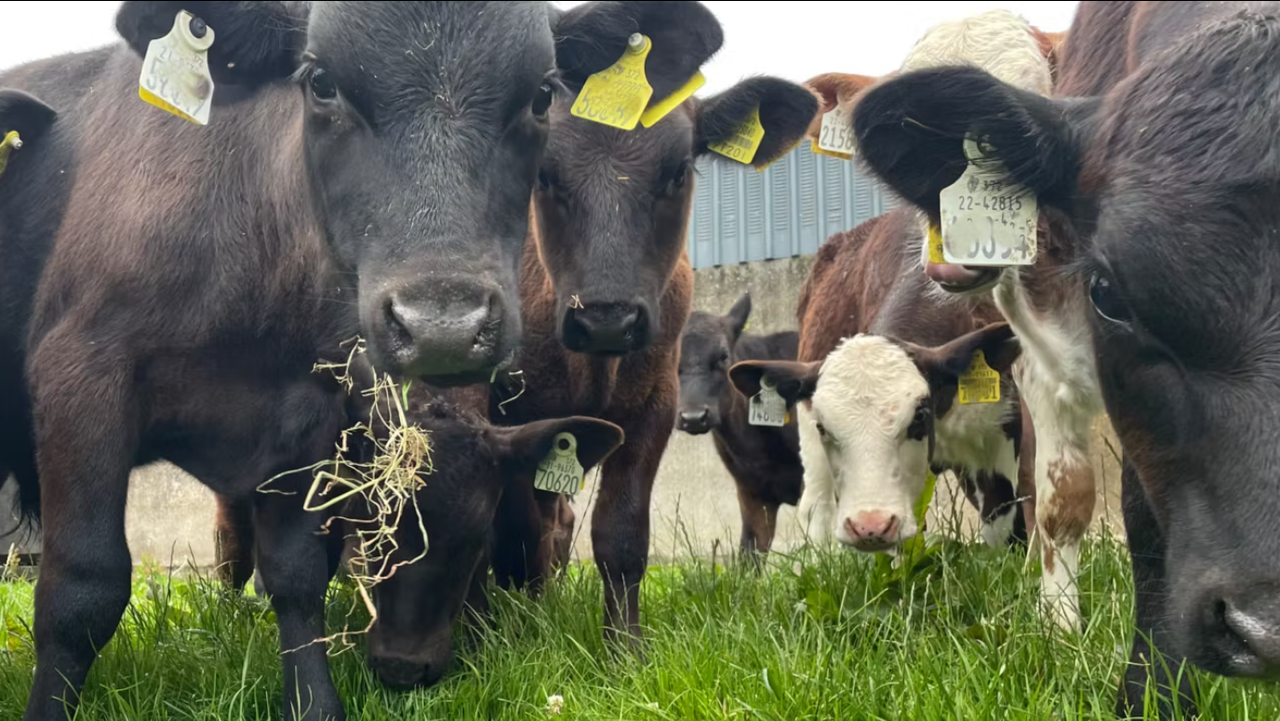
He said that the biggest risk is in calves and young stock between 3-12 months-of-age, especially fast-growing animals at grass.
What causes clostridial diseases?
Peppard explained that clostridial diseases are caused by clostridia bacteria which are commonly found in soil, slurry and the digestive tract of healthy animals.
Although they are dangerous, they do not spread directly from animal to animal; instead, cattle usually pick up infection from contaminated grass, feed, water or through wounds.
Tetanus can occur after procedures such as castration or disbudding, especially where hygiene is not good.
Affected animals often become stiff, have difficulty chewing, and may have difficulty walking.
Botulism may lead to paralysis or sudden death and is often linked to contaminated silage or dead carcasses in feed.
What are the key risk factors of clostridial diseases?
The Teagasc adviser warned farmers that young cattle are more susceptible because their immunity is still developing and they are at higher risk when they’re under stress, such as after transport, mixing with animals from other farms, changes in diet, turnout, or housing.
Areas around feeders, gateways, and poached ground can also increase the chance of exposure to clostridia in the soil.
Fast-growing cattle grazing lush grass are particularly prone to blackleg.
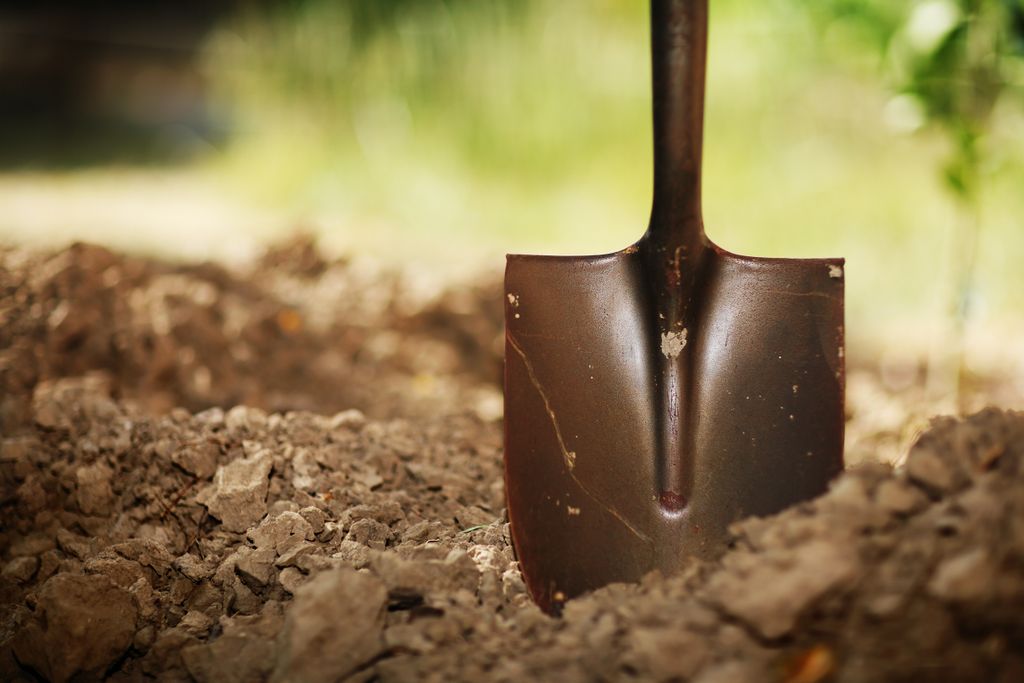
Ground disturbance is another risk factor that is often overlooked.
Clostridial bacteria can survive in soil for years in a dormant state.
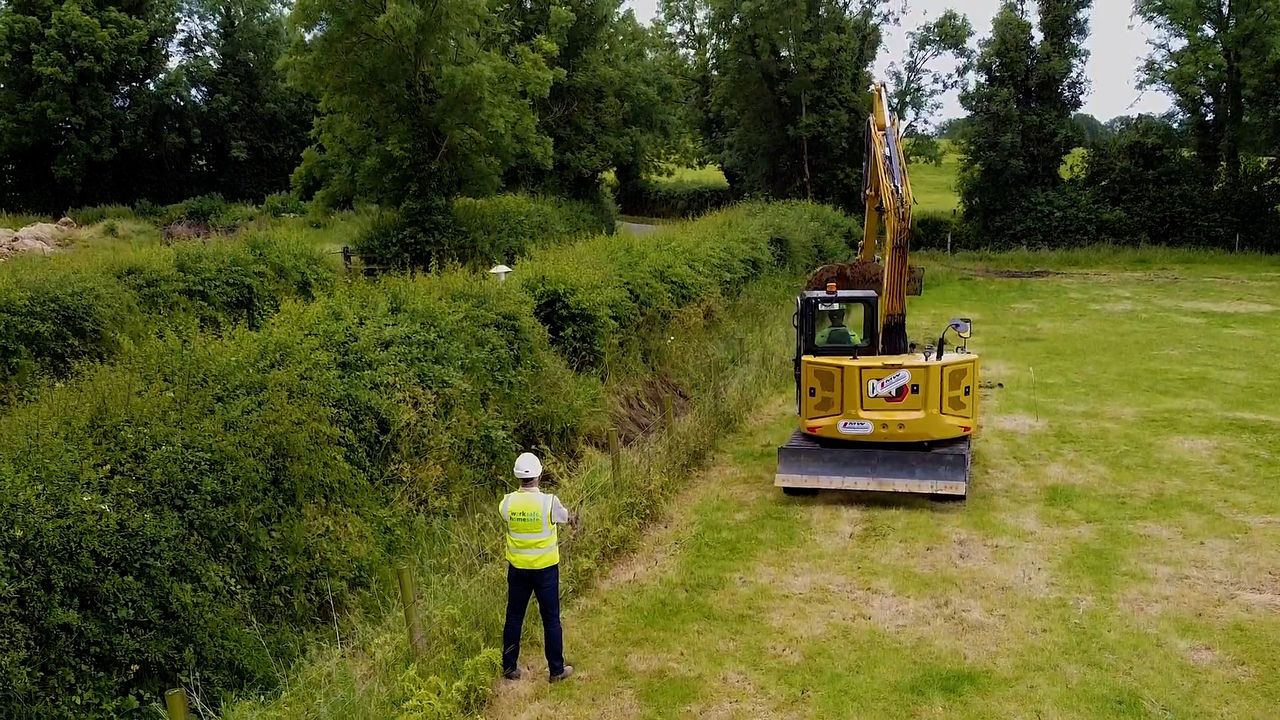
Jobs such as reseeding, drainage work, digging, installing water troughs, laying pipes or repairing tracks can bring these bacteria to the surface, where grazing cattle are more likely to pick them up.
Wet weather and freshly disturbed ground can greatly increase the risk of blackleg outbreaks.
Cases are often seen after land improvement works or when cattle are turned onto newly reseeded paddocks.
Extra care is needed when calves are grazing fields that have recently had drainage or excavation work done.
Peppard advised farmers to try avoid heavy poaching and, where possible, keep young stock off freshly disturbed ground.
Where major groundworks are planned, it is important to make sure calves are fully vaccinated beforehand to help protect them.
Prevention of clostridial diseases
As with many diseases, prevention is better than cure and so, it is better to be pro-active than re-active.
The Teagasc adviser said that vaccination "is the main way to control clostridial disease on Irish farms".
The recommended programme is two initial doses given four to six weeks apart, followed by a booster every year.
Many farmers give the first dose at around six weeks-of-age with the second dose before turnout or during the first grazing season.
Full protection is not immediate and only develops after the second dose.
Management
Peppard said: "Good management is just as important. Try to keep stress low around vaccination and avoid doing procedures like castration and disbudding at the same time.
"Always use clean needles and good hygiene during injections to help reduce the risk of tetanus.
"Feed and silage should also be checked regularly for dead birds, vermin as these can lead to botulism."
Vaccination
"Clostridial vaccination is one of the most cost-effective ways to protect animals on calf-to-beef farms," Peppard continued.
"With cattle values high, losing a thriving calf is a costly setback.
"A simple herd health plan, developed with your local vet, is the best way to keep animals protected and performing well throughout the grazing season."