Let them eat 'cake': How researchers are tackling methane emissions

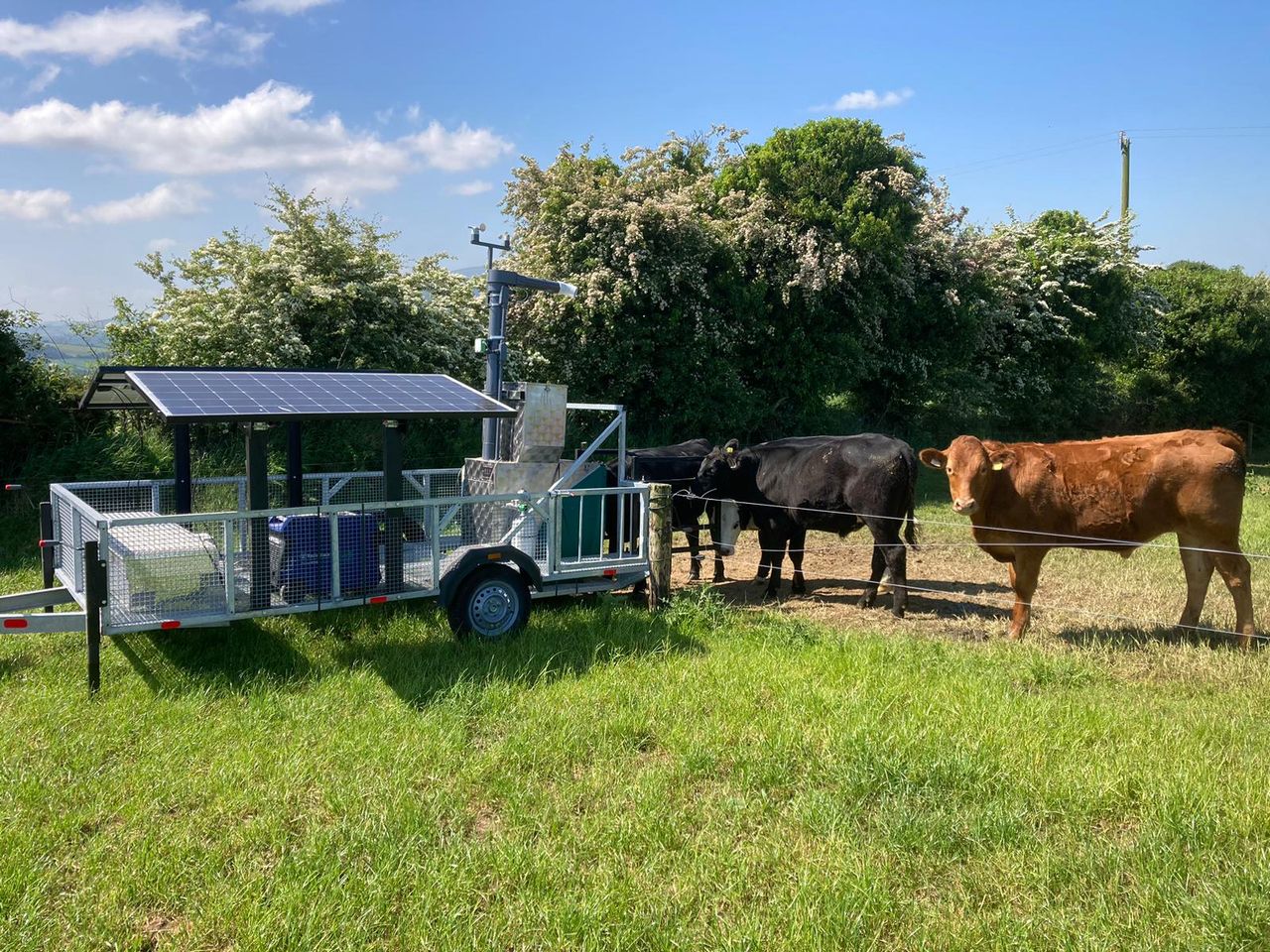
As the agri-sector strives to reach emission targets, Teagasc is studying new ways to reduce methane emissions in beef cattle through diet, without hampering cattle performance.
The study, carried out in Teagasc's Grange site looked at how the inclusion of either rapeseed cake or rapeseed oil in the diet of beef cattle could potentially reduce methane emissions.
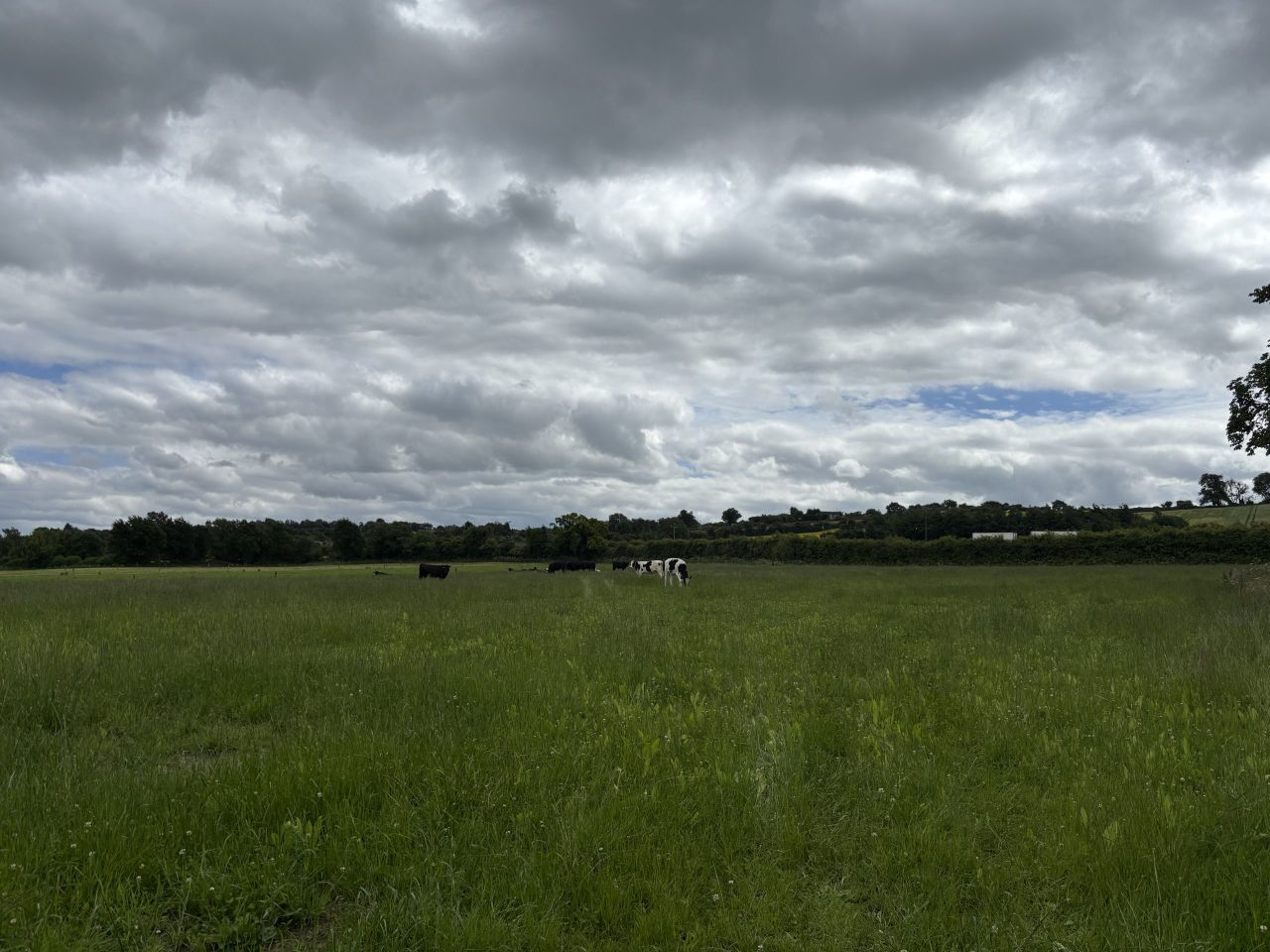
Methane is an enteric gas produced as a byproduct of digestion by micro-organisms within the rumen of ruminant animals (sheep and cattle).
The agricultural industry must achieve a 25% reduction in green house gas (GHG) emissions by 2030.
According to Teagasc data, methane currently contributes approximately 65% of agricultural GHG emissions.
A 500kg beef animal on a high concentrate diet produces 230g methane per day, while a 550kg dairy cow grazing on pasture emits about 320-330g of methane per day, according to the latest Teagasc data.
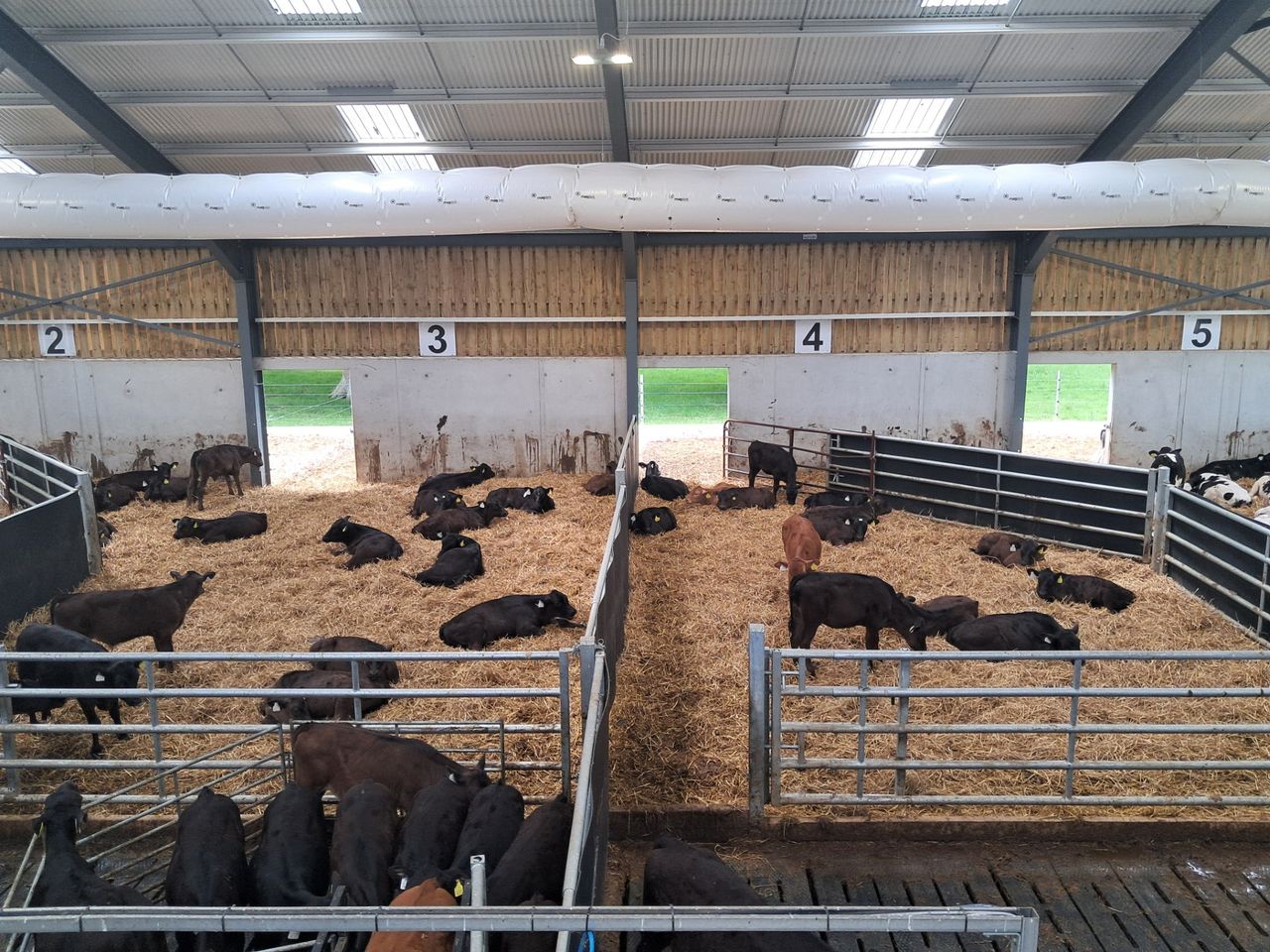
The trial involved 54 Charolais-cross steers and heifers fed a mixed grass silage and concentrate diet. Animals received one of three treatments: a standard control diet; a diet containing rapeseed cake; or a diet containing rapeseed oil.
Researchers analysed feed intake, animal growth, methane emissions and monitored animal health indicators over a 72-day period.
Both diets were revealed to have seen lower methane emissions compared to the control diet, which mirrors the traditional diet for beef cattle during housing.
| Treatment | Reduction | Percentage |
|---|---|---|
| Rapeseed oil | 16g/day | 8-9% |
| Rapeseed cake | 17.7g/day | 8-9% |
Animal performance remained similar across the three treatments with no reduction in live weight gain, dry matter intake, muscle development and fat deposition compared to the control group.
Cattle on rapeseed oil performed marginally better than those on the rapeseed cake treatment.
The presence of unsaturated fatty acids in rapeseed products can alter the rumen's fermentation and reduce activity of methane-producing organisms.
The study found that there was no improvement of meat fatty acid content, but the reductions of emissions are significant.
Benefits of rapeseed products
Rapeseed crop is very common across the EU. According to the Central Statistics Office (CSO), Ireland produced nearly 60,000t in 2025.
The availability means it is very cost effective compared to other dietary methods of reducing methane emissions such as seaweed.
As these feeds have existed as commercial products before, they do not require regulatory approval.
This accelerates the possibility of wider-scale usage within the sector and reduces cost for rapeseed cake and oil producers.
Rapeseed cake is a byproduct of rapeseed oil and does not compete with a human consumption market, as refined rapeseed oil does, so is generally more affordable and improves the cyclical nature of the food-chain by reducing waste.
Teagasc plans to continue this study to determine the potential impacts of rapeseed products on carcass quality and how these diets can be utilised in the finishing system.
The trial will be on display at the Teagasc open day in Grange, Dunsany, Co. Meath on Wednesday, July 1, with opportunities to discuss the results and inclusion of rapeseed products into the diet.