Farmer discussion: Is multispecies working?
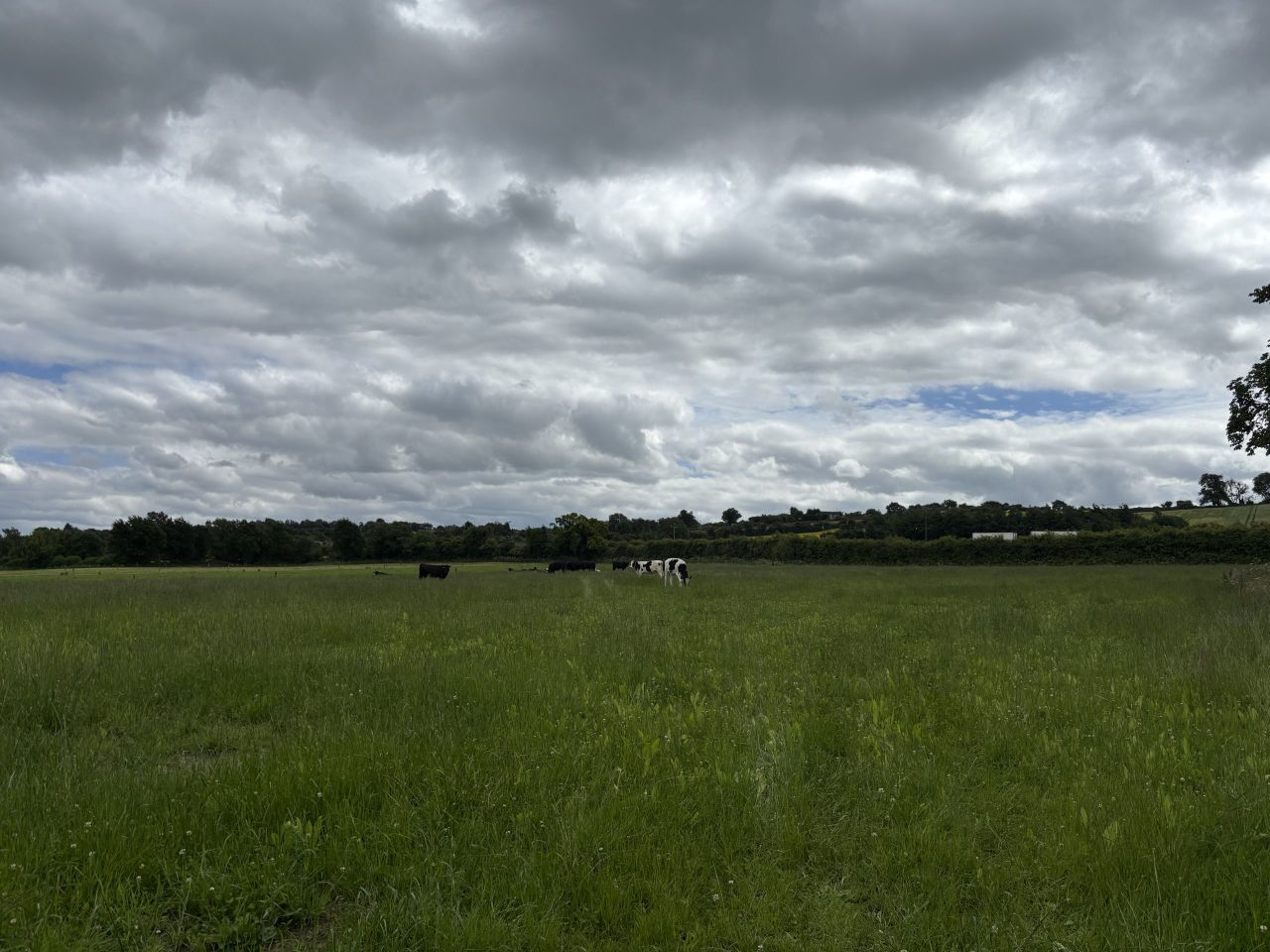
What do farmers think of multispecies, is a question that was asked at a recent event in University College Dublin's (UCD) Lyons farm.
The event, which was organised by the Datamars Sustainability Foundation (DMSF), in collaboration with UCD and Teagasc, launched the Multispecies Swards for Sustainable Grazing research project.
The four-year-long project aims to accelerate the adoption of multispecies swards in livestock systems across Ireland.
The event was launched by an address from Minister of State at the Department of Agriculture, Food and the Marine (DAFM), Noel Grealish.
Rory Devlin, DMSF director, Prof. Frank Monahan, dean of agriculture and head of the UCD School of Agriculture and Food Science, and Prof. Frank O'Mara, director of Teagasc, all spoke on the day also.
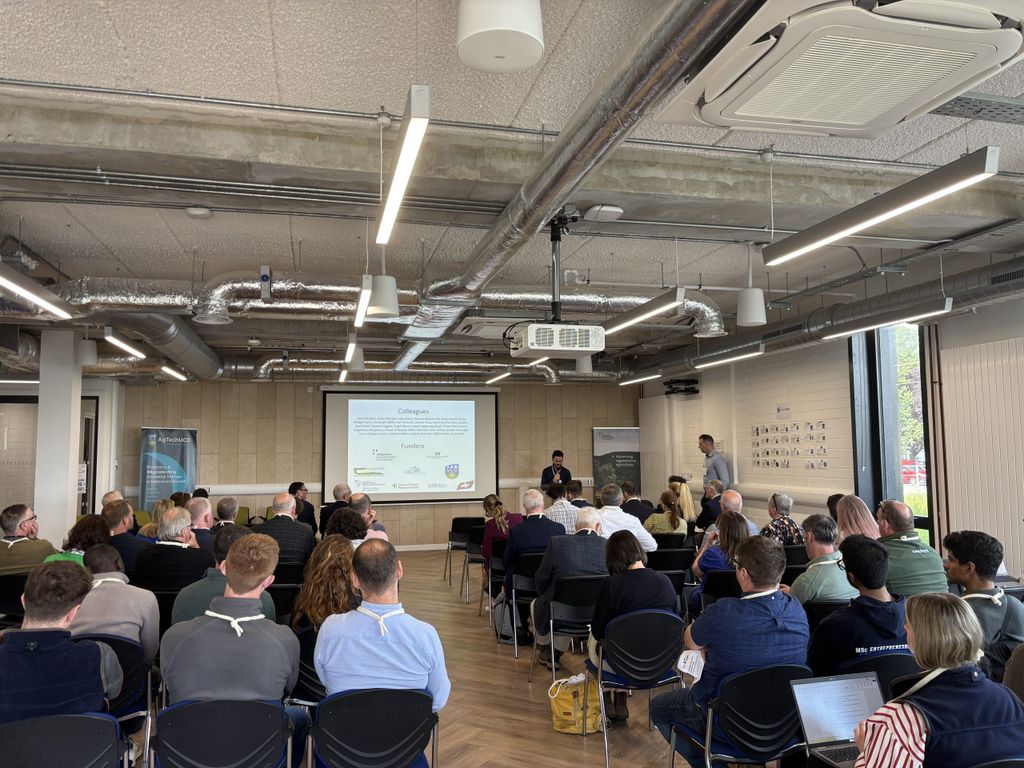
Dr. Helen Sheridan of UCD spoke on the production and resilience of multispecies, while Dr. Tommy Boland of UCD spoke on animal management, productivity, and economics when grazing multispecies.
Dr. Paul Murphy of UCD spoke on multispecies and its role in soil, nitrogen and carbon, while UCD's Dr. Tomás Russell spoke on the barriers to multispecies such as social challenges.
Farmer discussion
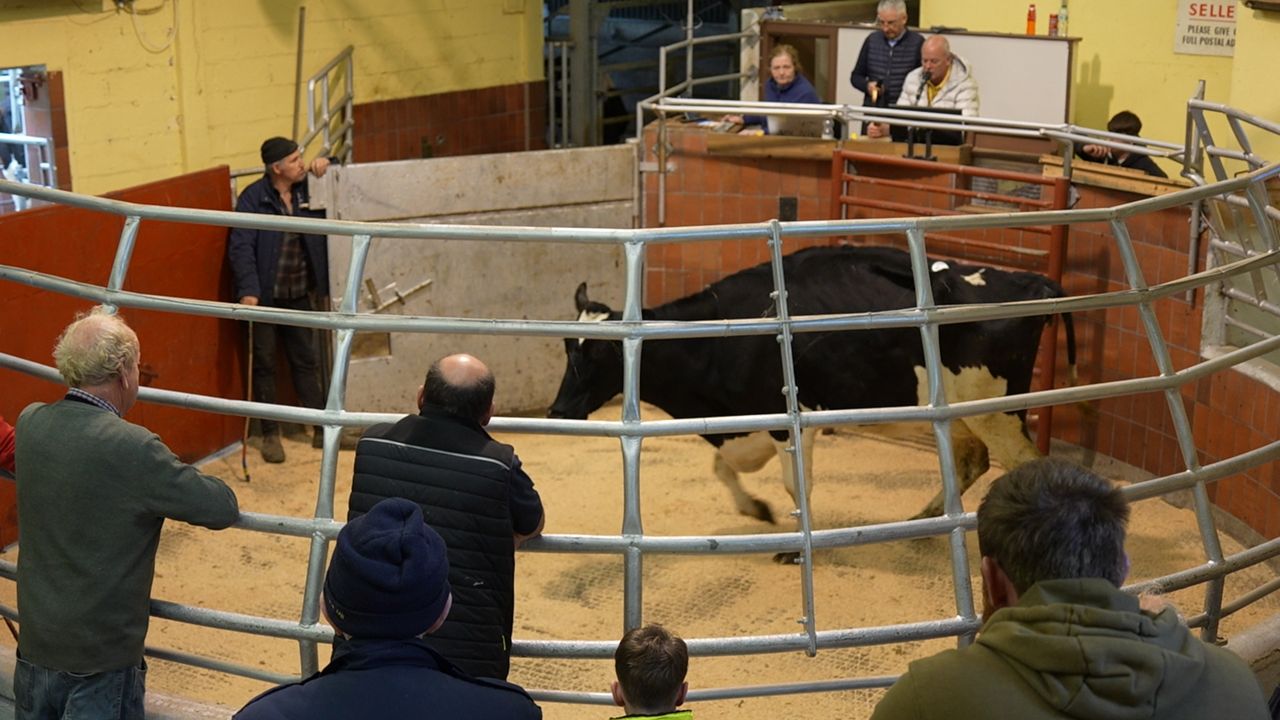
José Jáuregui, senior animal agriculture adviser with DMSF hosted a panel discussion with five farmers at the event, to see what their individual experiences were on the ground.
The farmers on the panel all came from different regions and soil types, with some operating dairy enterprises and others operating beef enterprises.
The contrast in usage was evident from the get-go, with one suckler farmer from Kildare stating that his whole farm is planted with multispecies, joking that he would consider ryegrass a weed on his farm at this stage.
Meanwhile, another farmer stated how 80% of her farm is shallow and rocky leaving her with permanent pasture, noting that reseeding is not possible.
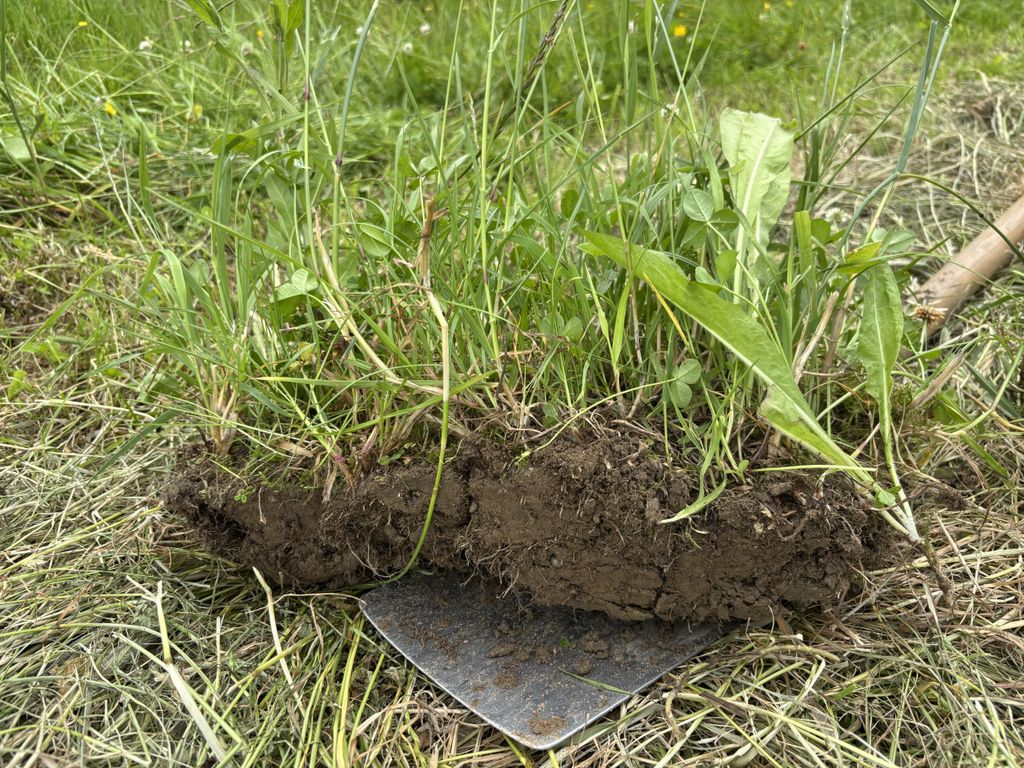
Another farmer who spoke has multispecies incorporated in the farm, but struggles with persistency saying that it can be hard to get it to last longer than three years.
A dairy farmer on the panel had tried using the crop but has struggled with weed control, stating that he would happily use it again as spot spraying develops.
Keeping with the dairy angle, one farmer found the initial loss in production of dry matter was hard to manage after planting multispecies.
But another noted how he was surprised that there was no milk production loss when it comes to grazing the paddocks, while grazing in general is also a lot easier to manage.
Can multispecies work?
Can multispecies work? The short answer is yes, although it does not seem to be suitable for intensive dairy systems as of yet.
There are plenty of challenges in terms of weed control and persistency, but as research into the crop continues, the uptake will get smoother.
Another large challenge is the social aspect; the majority of dairy farmers will find it hard to look at multispecies in comparison to lush green fields of grass, with one researcher even saying it looks somewhat 'dirty'.
This stigma makes the uptake hard even in systems where the crop can work well.
However, with ever-growing environmental concerns, multispecies may end up in more fields as regulations progress, making that social aspect easier to overcome.