What's the story on teaching about climate change?

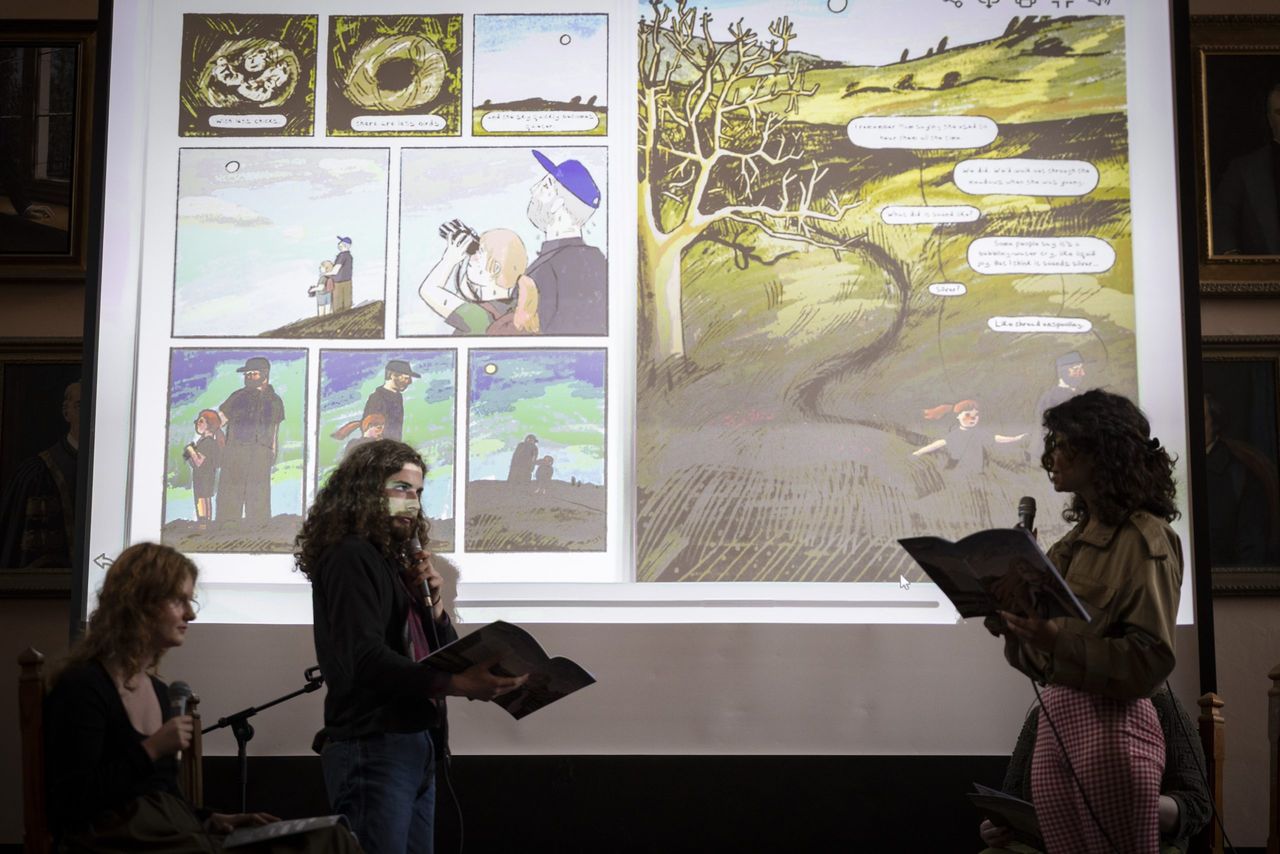
The curlew is the star of a bilingual graphic novel and suite of educational resources designed to support climate change education in schools.
Chasing the Curlew’s Call / Ar Lorg Ghlao an Chrotaigh is born out of a collaboration between University College Cork (UCC), Met Éireann and members of the public.
The graphic novel brings climate science to life for both primary and secondary school students through storytelling, creative engagement, and curriculum-linked learning materials.
Dr. Rosa Rogers, research fellow and lecturer in creative writing at UCC College of Arts, Celtic Studies and Social Sciences, guided the graphic novel from initial community co-design through to narrative development.
She worked with visual artist Rosa Kelly and colleagues on the Met Éireann-funded TRANSLATE project, with the text translated into Irish by Merlin Pearson.
Curlew
The curlew is steeped in natural and cultural heritage in Ireland. There are currently estimated to be only 103 breeding pairs of curlew remaining in Ireland, which represents a 98% decline in population in the last 30 years.
The project was launched at UCC, where university president Prof. John O’Halloran reflected on the significance of the Eurasian curlew in Ireland and the growing impact of climate change on the species’ survival.
Prof. O'Halloran said that the book explores the impact of changing weather on the Eurasian curlew, a subject very close to his heart.
He explained: "It brings together climate and ecological science with the power of storytelling to explore new ways of communicating the climate crisis in a way that informs, engages, and inspires action.
"Through this project, we explore how stories rooted in tangible climate science can allow us to envisage and ultimately create a more sustainable future for all.”
In Chasing the Curlew’s Call / Ar Lorg Ghlao an Chrotaigh, young Lou and her grandfather explore themes of biodiversity loss, climate change and intergenerational understanding as they search for the disappearing curlew.
The project combines climate science, ecological research, visual storytelling and participatory design to communicate the real world impacts of climate change in accessible and engaging ways.
Alongside the graphic novel, the launch also marked the release of a suite of classroom-ready educational resources.
These include lesson plans; teacher packs; classroom activities; discussion prompts and evaluation surveys designed to help students engage more deeply with climate science through storytelling.
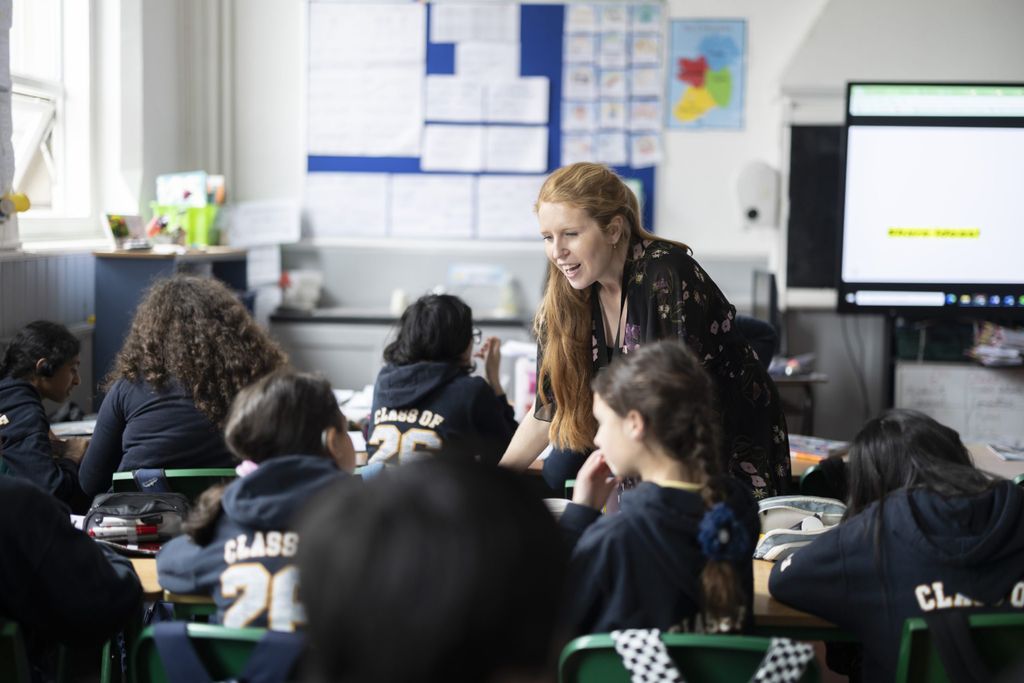
Dr. Rosa Rogers said: “Teaching resources have been trialled and refined through workshops in schools across Cork city, where we’ve seen clear student engagement and brilliant creative outputs.
"Feedback from students and teachers has helped shape our resources into classroom-ready packs for educators now to use across Ireland.”
Storytelling as a tool
A key element of the initiative is evaluating the effectiveness of storytelling as a climate engagement tool.
Teachers using the resources are encouraged to complete accompanying surveys, helping researchers better understand how young people connect with climate stories and climate science.
Research conducted during school workshops found improvements in students’ confidence in explaining climate change and its causes, increased awareness of the Eurasian curlew and its endangered status in Ireland, and greater interest and care towards climate issues.
With the public release of the surveys, the research team hopes to build a broader understanding of how climate storytelling can support learning and engagement among primary and secondary students nationwide.
Schools that submit completed surveys will be entered into a prize draw for the chance to win a weather station for their school.
The full set of resources, including the graphic novel, animation and teacher packs, is now available through Met Éireann’s educational resources page.