EU milk producers group sounds alarm over falling milk prices

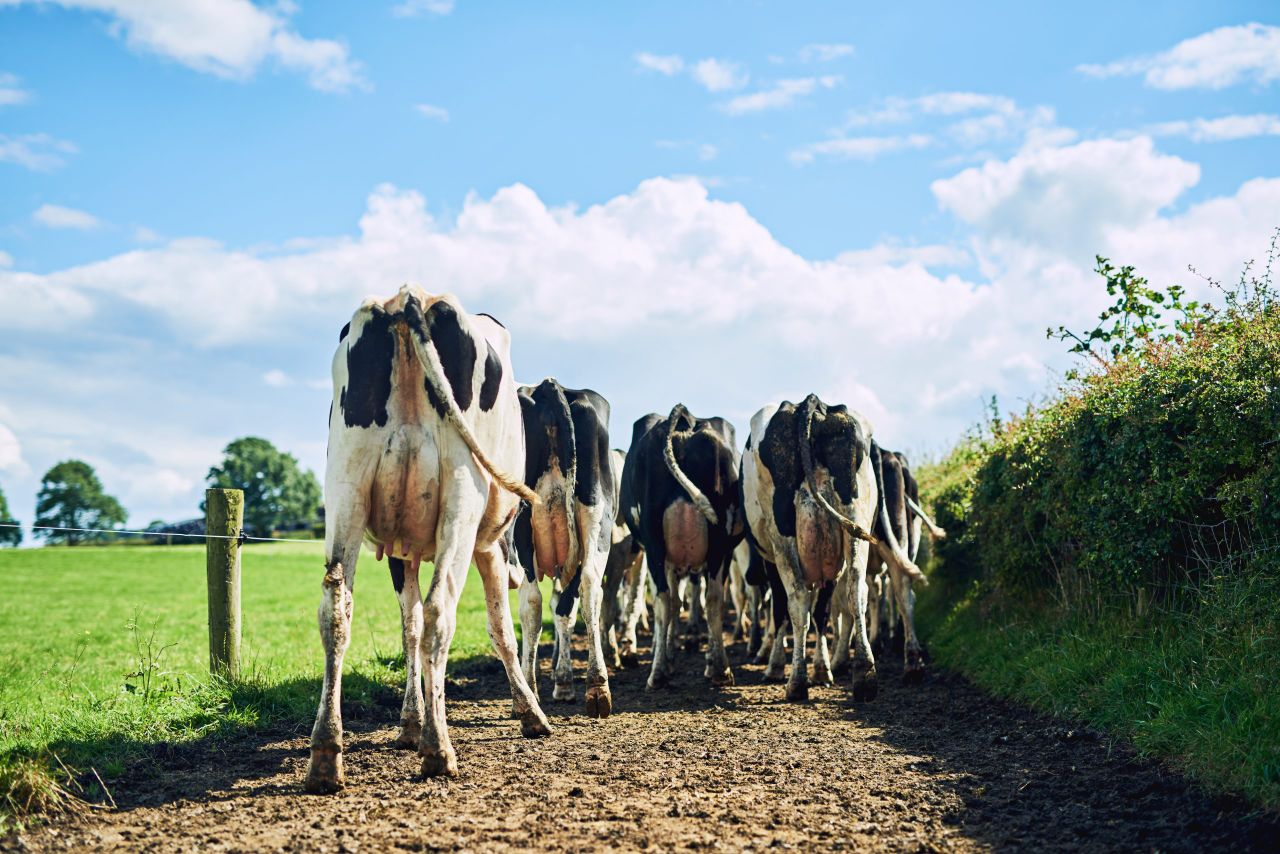
Rising global milk volumes, falling prices and high production costs are causing "major economic problems" for EU farmers, a leading producer group has warned.
According to the European Milk Board (EMB), which counts the Irish Creamery Milk Suppliers Association (ICMSA) among its members, the European dairy sector is once again under severe pressure.
It has cautioned that "a further collapse in prices" could be on the horizon and has again called for the activation of a voluntary supply reduction at European level.
Measures like this were introduced by the European Commission in 2016 in response to "exceptional market pressures" at that time following the abolition of milk quotas.
But, according to the Minister for Agriculture, Food and the Marine, Martin Heydon no formal proposal for an EU voluntary milk reduction scheme has been tabled by the European Commission.
EMB has criticised the commission and key member states for not moving fast enough to curb record high milk volumes.
The organisation, which celebrates it's 20th anniversary this year, is adamant that the challenges facing agriculture "are increasing" and the commission should take a pro-active stance.
Kjartan Poulsen, president of EMB said: "The current situation once again shows that Europe needs functioning market instruments.
"Voluntary supply reduction is not a theoretical concept, but a necessary instrument for stabilising the milk market in times of crisis."
Milk market
The latest report from the European Commission's Expert Group for Agricultural Markets highlights a fall in EU milk deliveries in some member states, including Ireland.
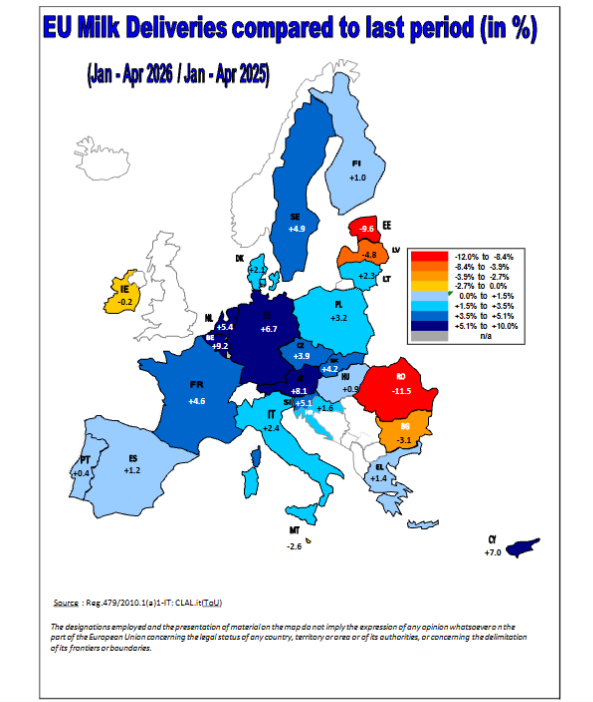
The report also compared EU milk prices in April of this year and echoes recent figures from Ireland's Central Statistics Office (CSO) which showed milk prices dropped 23.1% in the year to April 2026.
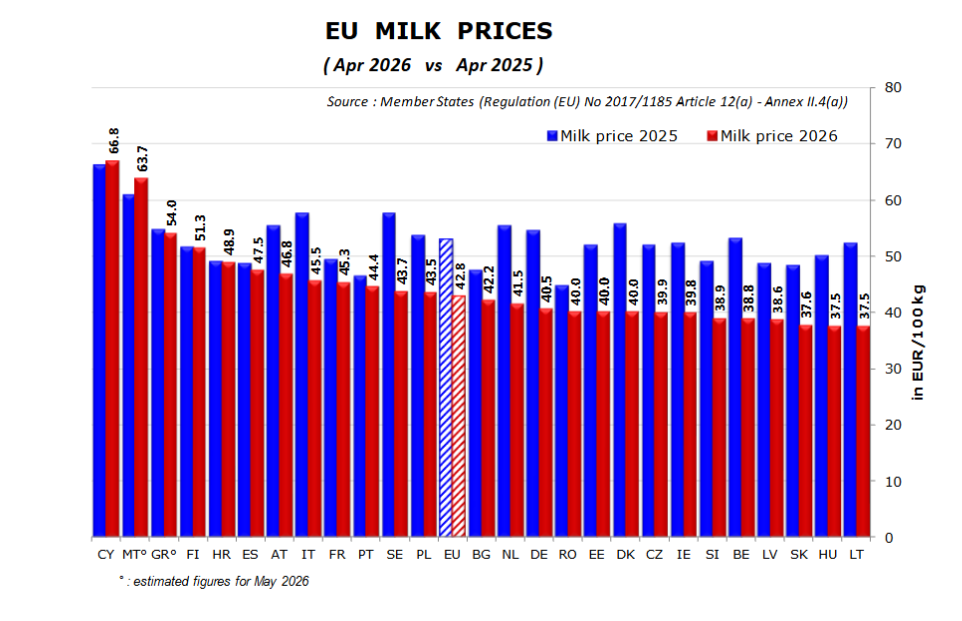
According to Rabobank's Global Dairy Quarterly Quarter 2 report global milk production growth has begun to slow into Q2 following four consecutive quarters of expansion.
Analaysts highlighted that in particular milk production across the EU and the UK has been on a "remarkable run".
But this surge is beginning to lose pace and the outlook for European milk supply is now travelling towards "gradual constraint" rather than expansion.