What are the implications for agriculture of Ukraine joining the EU?

The accession of Ukraine to the EU will have "significant implications for food and agriculture", new research from Rabobank has outlined this week.
According to RaboResearch, Ukraine’s accession in the future will integrate a "vast agricultural sector into the EU, creating both opportunities and risks for European food and agriculture".
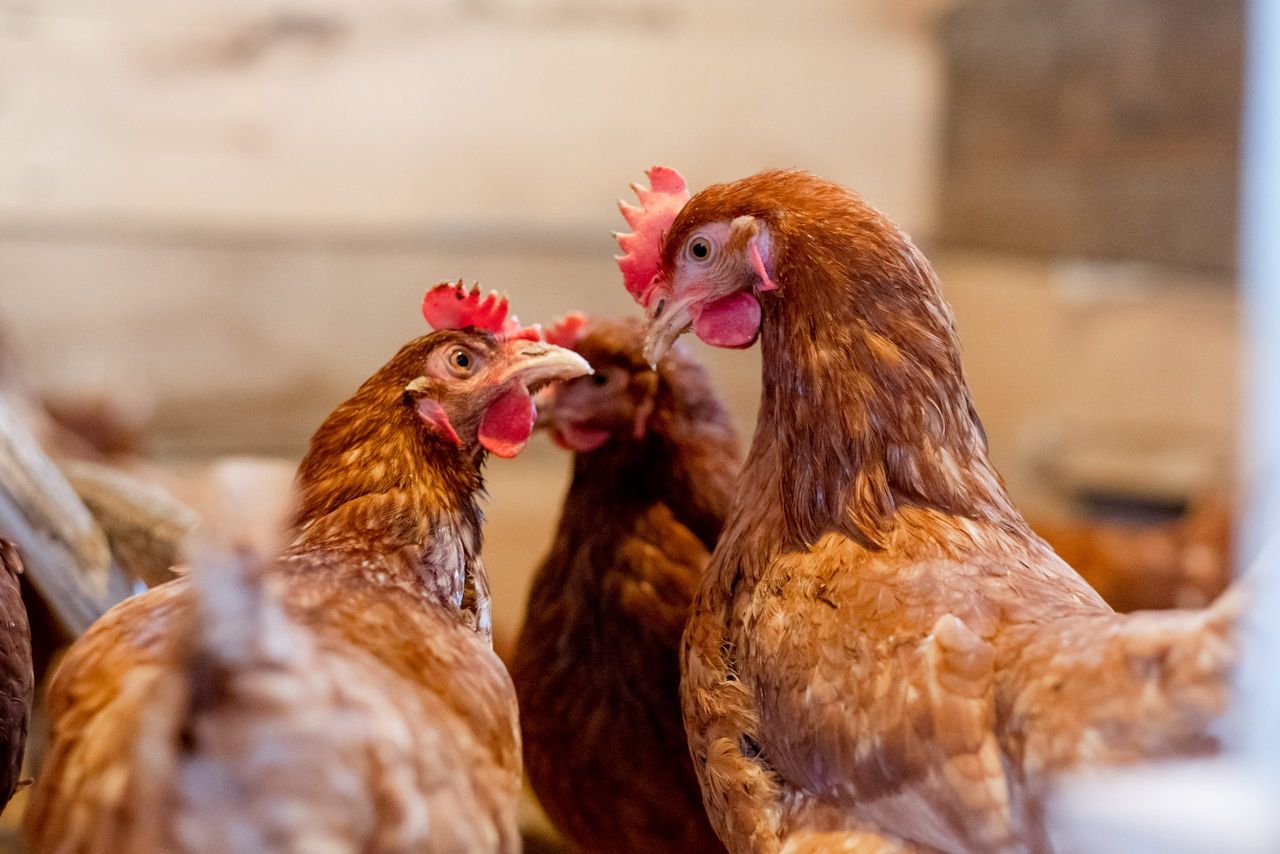
Researchers said that despite war-related damage, Ukraine will add a large production base, particularly in grains, oilseeds, and poultry, while remaining less competitive in higher value-added products.
"Increased supply from Ukraine could put pressure on prices in existing EU markets such as grains, sugar, and poultry, while lower feed costs would benefit EU livestock sectors," the report said.
"Traders and processors could also gain from greater availability of grains and oilseeds."
Population
Ukraine’s entry will expand the EU's population by roughly 40 million people, an increase of around 8%.
"However, in the near-term, the limited purchasing power of Ukrainian households will constrain export opportunities," RaboResearch said.
"At the same time, increased investment flows into Ukrainian food and agriculture could create opportunities for suppliers of technology, farm inputs, and knowledge.
"From a strategic perspective, accession could also enhance EU food autonomy, although reducing reliance on imported soybean products would not be simple."
CAP
The report said that policy implications are substantial, as Ukraine’s scale will "likely make the current hectare-based Common Agricultural Policy (CAP) model unsustainable, thereby triggering reforms and transition measures".
Ukraine's accession to the EU will expand the union's agricultural area by around 25%, which mean adjustments to the CAP will be "inevitable".
RaboResearch said that there are a number of possibilities, including increasing the CAP budget, tightening CAP eligibility, or reducing per-hectare payments.
Impact of Russian invasion
Russia's invasion of Ukraine, along with the devastating humanitarian consequences, has also "severely disrupted Ukraine's agriculture and port infrastructure".
However, when Ukraine joins the EU, it will be the largest member state in terms of agricultural land.
"Using data from after the Russian invasion, Ukraine's EU accession will add 41 million hectares of farmland to the union, expanding the EU's agricultural area by about 25%," RaboResearch said.
"Yet agricultural value added should rise by only 4%, as Ukraine ranks much lower in agricultural economic output than most of the agricultural top 10 member states.
"This is because Ukraine produces mainly lower-value commodity crops rather than higher-value food and beverage products."
Potential price pressure
When Ukraine joins the EU single market, supply-demand dynamics will shift.
The report said it is possible there will be a stronger EU surplus in grains, sugar and poultry when Ukraine joins, where "production exceeds use, putting potential price pressure on current EU farmers".
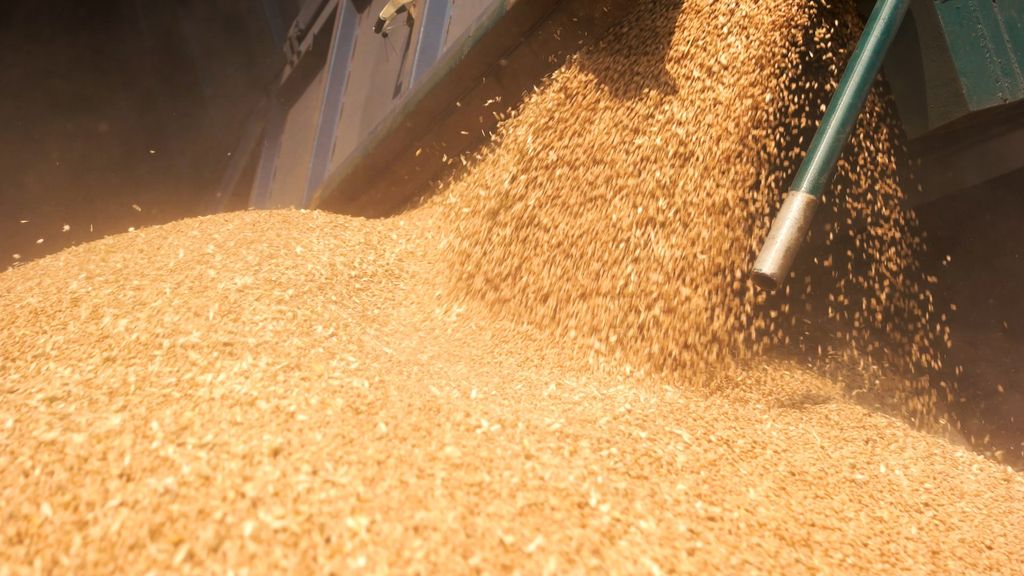
"Though an expanded surplus could put pressure on grain farmers, lower grain prices may benefit the dairy and animal protein sectors that profit from lower feed costs - as well as EU (exporting) traders and processors of grain for consumer foods and subsequently consumers."
The report said there could be a reduced EU deficit particularly for oilseeds, with production shifting closer to use, which "strengthens Europe's self-sufficiency".
There would be limited change in the EU in sectors where Ukrainian production is small such as dairy, pork and beef, so markets are "expected to remain relatively stable".
Standards
The report added: "When Ukraine joins the EU, it will need to comply with European market regulations and standards in areas such as farming practices, animal and plant health, certification, labelling, food safety, environmental protection, and animal welfare.
"Meeting these standards will require substantial investment in Ukrainian farming operations - before it is allowed to enter.
"This could provide opportunities for European technology and knowledge providers."
Opportunities and risks
RaboResearch said that, overall, Ukraine's accession will create both opportunities and risks for European food and agriculture.
"EU arable farmers could face increased price pressure on grains and sugar, as well as tighter CAP funding," the report said.
"In contrast, livestock sectors could benefit from lower feed costs, while grain and oilseed traders and processors could gain from higher volumes and lower prices.
"The impact on the EU poultry sector will depend on the extent to which downward pressure on output prices is offset by reduced feed costs."
The report determined that Ukraine's accession "should strengthen EU food autonomy, but replacing soybean imports from South America with Ukrainian production is not an easy switch".