Teagasc seeks 'sniffer system' to measure methane emissions

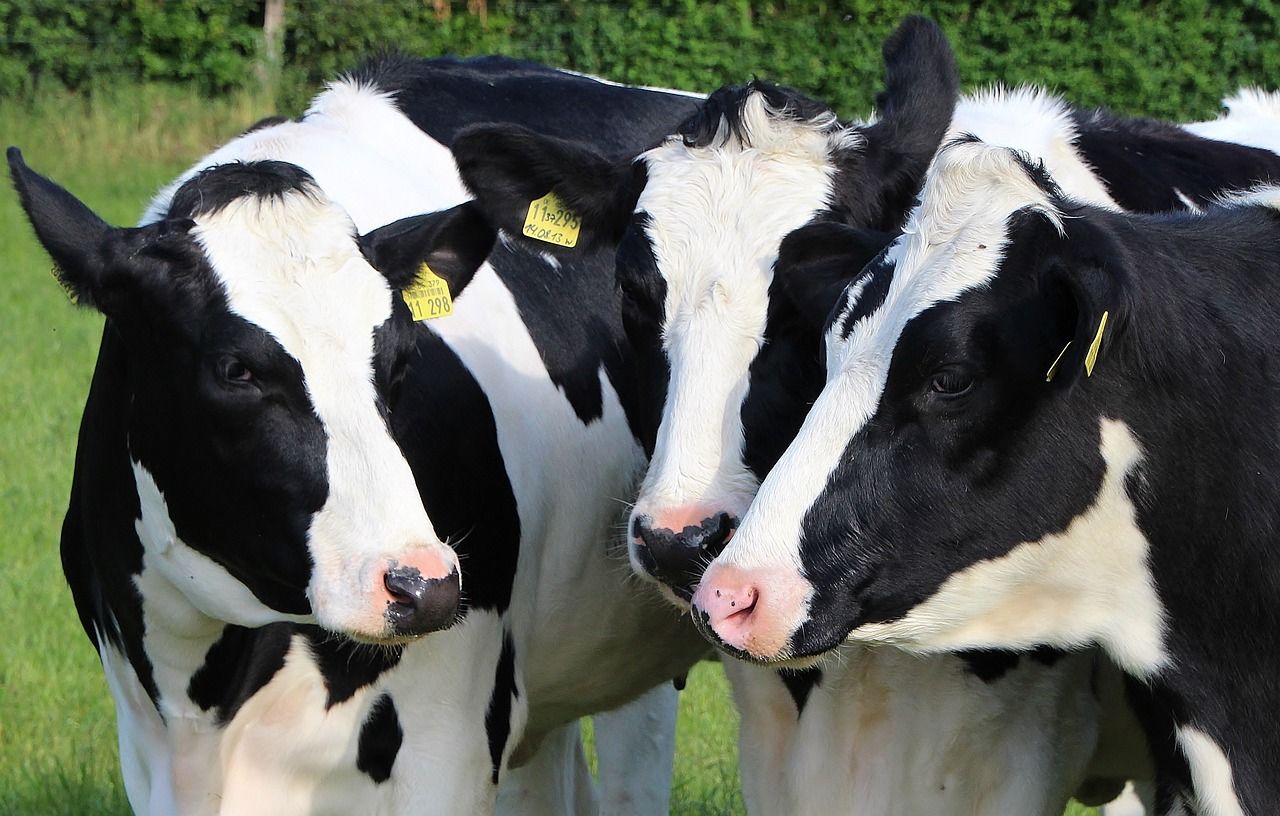
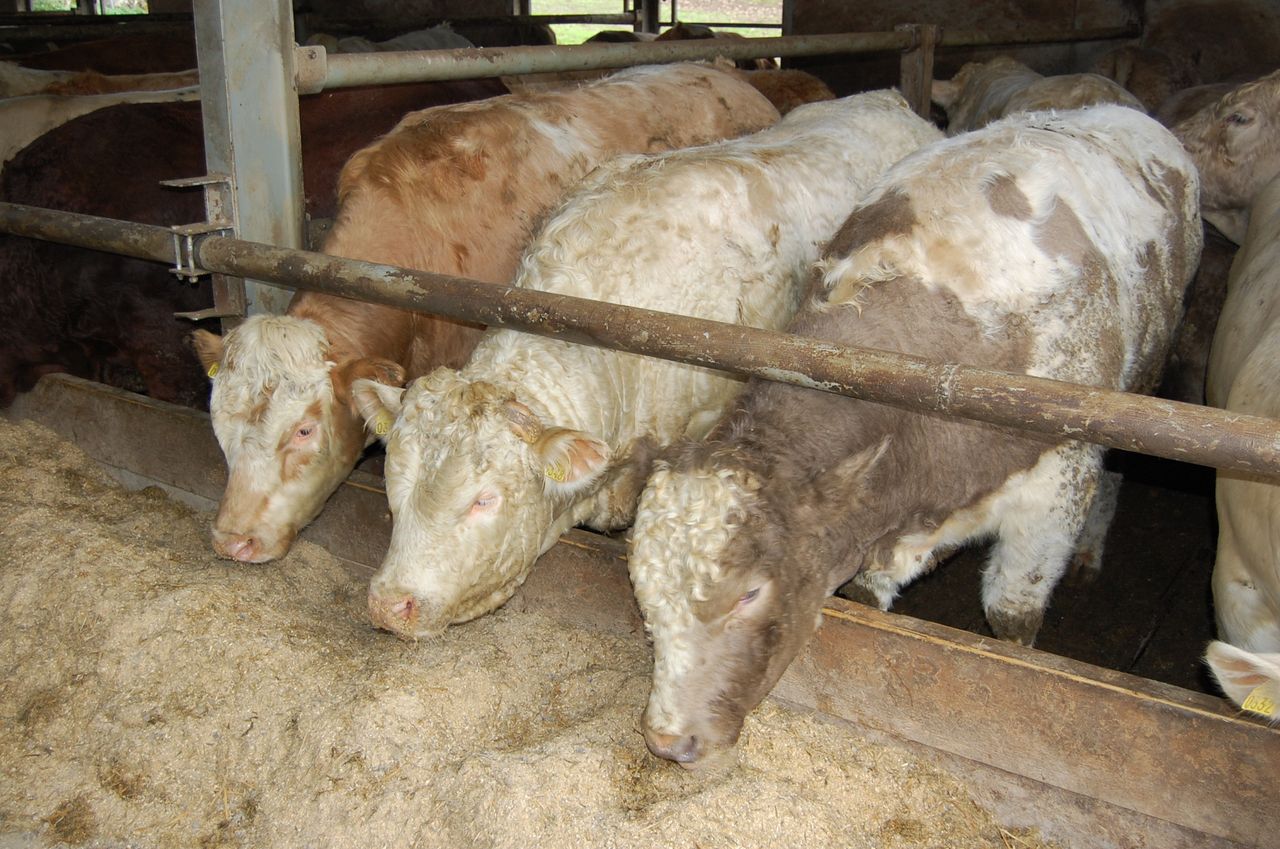
Teagasc is currently inviting tenders from suppliers for a "sniffer system" to detect methane emissions in cows.
Methane sniffers integrated into automated milking systems are being increasingly deployed as part of research to collect high-resolution, large-scale methane emission data from cows.
According to the tender documents, the authority is seeking a system "designed for collecting methane phenotypes in commercial farm environments".
The system is to be delivered to the Animal and Grassland Research and Innovation Programme (AGRIP) research centre which is based at Teagasc Moorepark in Co. Cork.
Teagasc
Methane is the second most significant contributor to greenhouse gas (GHG) emissions in Ireland.
According to Teagasc, biogenic methane (methane produced by animals and plants) is one of the predominant GHG emissions emitted from global agricultural, the majority of which is originates from ruminant livestock as enteric (digestive processes in cattle and sheep) or manure methane.
The Environmental Protection Agency (EPA) has said that methane associated with ruminant livestock production accounts for two-thirds (68%) of Irish agricultural GHG emissions.
Based on the latest GHG Inventory (1990-2024) agriculture emissions in 2018 were 21.4 Mt CO2 eq (megatonnes of carbon dioxide equivalent).
The sector has an emission reduction target of 25% by 2030 compared to 2018.
Tenders
Teagasc said the sniffer system should have "enhanced durability, simplified operation, remote diagnostic and calibration capacity, and a user-friendly interface to support efficient day-to-day management".
It added that the equipment should "deliver accurate, repeatable and reproducible results" and "be capable of processing multiple samples efficiently".
The successful tenderer will be required to deliver, install and commission the equipment, along with providing training for users.
The estimated value for the contract is €55,000, excluding VAT.
The closing date for the submission of tenders if 2:00p.m on July 6, 2026.