6 steps to maintaining and promoting soil health

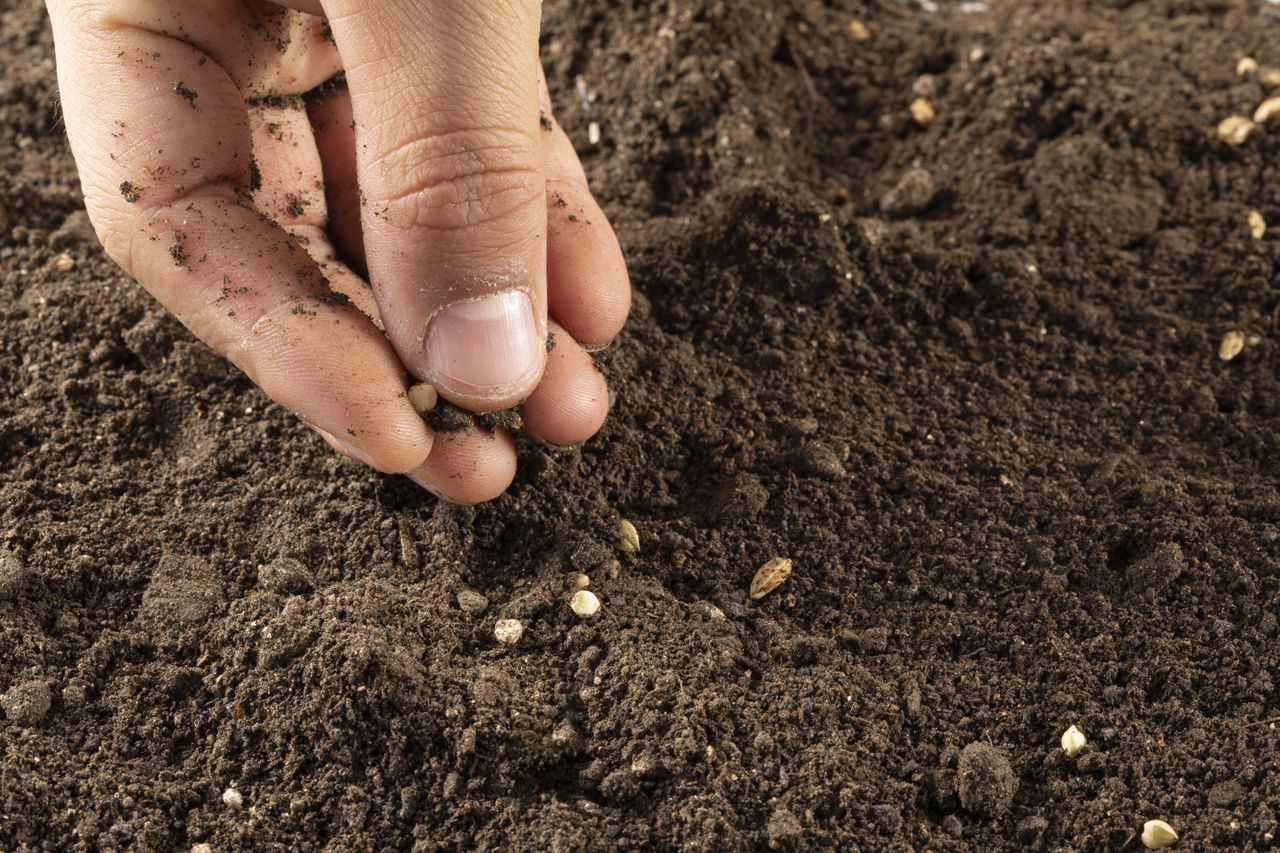
The ways in which farmers can boost and benefit from soil health were greatly emphasised at the 'Farming for a Better Future' open day at Teagasc, Johnstown Castle, Co. Wexford.
Good soil principals mean farmers being able to utilise the soil in a way that does not negatively impact the soil ecosystem or physical soil characteristics, while maintaining soil productivity and hence farm viability.
Teagasc has designed six principal steps to ensure farms can achieve excellent soil health.
Step 1: Know your soil
Farmers who can identify their soil types will be able to plan accordingly, as they will know when their soils are likely to suffer drought or water-logging.
For example, a sandy field will be frost resistant and better drained, but will also 'burn up' faster than a clay soil.
By using local knowledge and geographical maps that show the parent material for a soil, a farmer can identify their soil type.
Several easy, cheap tests can also be carried out, including using the soil triangle to identify soil type.
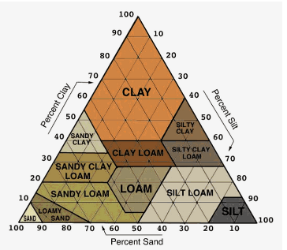
According to Teagasc, there are 213 soil types in Ireland and many may be present in the same field.
Unlike soil pH, nutrient profile or soil organic matter (SOM), a soil's make-up will remain the same and will not change over a single lifetime.
Step 2: Access soil health
Soil health can be assessed in field by digging a small square 40cm-50cm deep, allowing a farmer can look for the indicators listed in the table below.
| Positive indicators | Negative indicators |
|---|---|
| Round aggregates | Plough pan |
| Deep root growth | Compaction (hard layer within soil) |
| Soil fauna | Iron redox mottles (orange/grey) |
| SOM (darker colour) | Water stagnation |
| Channels from borrowing organisms - earthworm | Absence of micro-organisms |
Teagasc research points out that soil health is an EU-wide concern as across the bloc, 60-70% of soils are currently degraded, and continue to deteriorate, costing over €50 billion per year.
Protecting healthy soils from degradation is "critical" for human wellbeing, food production and economic development, Teagasc said.
Step 3. Avoid physical damage
Avoiding physical damage is key, according to Teagasc.
Compaction is a major risk to soil health, with farmers advised that wetter soils will suffer exacerbated damage than drier soils.
Taking steps such as reducing traffic in-field, using umbilical systems and varying cultivation dept to prevent 'plough pans' forming, as well as using minimum till and over-sowing where possible to avoid disrupting soil horizons.
Step 4: Support soil biology
Soils globally are home to 60% of the earth's biology, so are a crucial eco-system for farm productivity, according to Teagasc.
Soil decomposers are an example of the critical role that these soil organisms play. The nutrient cycle is reliant on the soil releasing minerals and from dead organisms.
SOM can hold up to 5,000kg of nitrogen (N)/ha. Irish grassland soils can supply between 17-131kg N/ha to a plant over a five-week period through mineralisation alone; but this is completely reliant on micro-organisms within the soil.
As can be seen, there is an economic benefit to sustaining soil biology, especially where a farmer is capped at the amount of N, phosphorous (P) and potassium (K) they can spread and when.
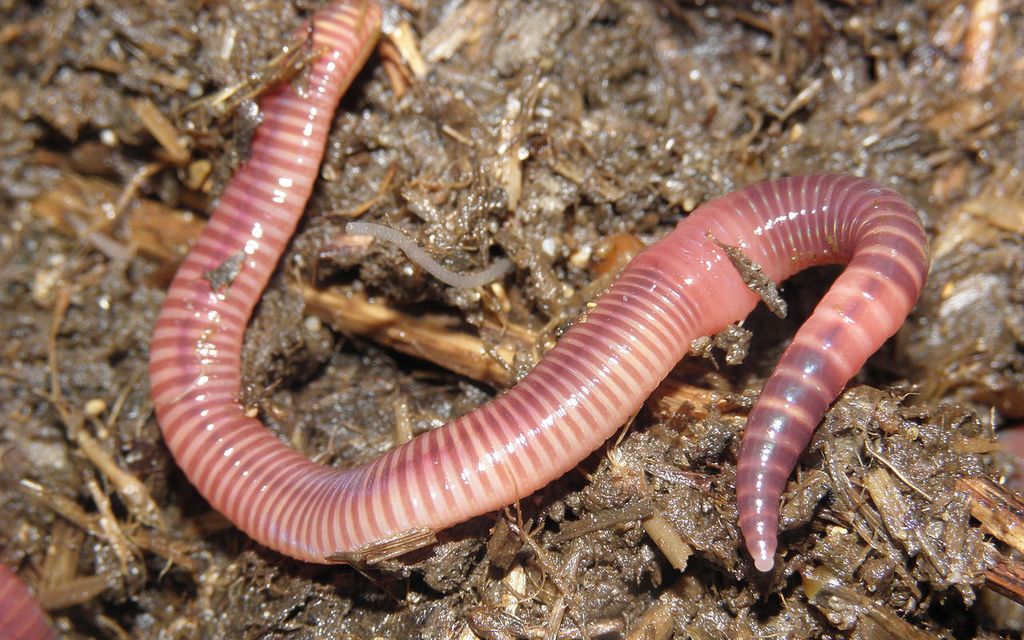
Boosting soil biology is straightforward, according to Teagasc.
Farmers can vary cropping, build SOM (spread farm yard manure (FYM)), or maintain farmland habitats, etc.
Step 5: Build or maintain SOM
Healthy levels of SOM are necessary for soil resilience. Increased SOM results in improved soil structure and trafficability, greater resistance to compaction, and weather extremes.
Increasing SOM is relatively quick and cost effective. Spreading FYM boosts soil health and crop production in a short period of time.
Reduced disturbance and compaction are also beneficial, Teagasc said. SOM and soil biology are intrinsically linked and create synergy when both are supported with good management decisions.
As a result, avoiding pesticide and other harmful chemical applications where possible will result in increased soil biology and hence SOM.
Step 6: Maintain balanced soil fertility
Soil fertility and pH have a major impact on soil health. Fertile soils ensure maximised crop production and hence reduced weed populations in a field.
Farmers can directly impact soil fertility and the incorrect application of nutrients can be detrimental to soil fertility.
Under-applying will result in poor crop growth and reduced soil fertility as the plant exhausts the soil's natural supply of nutrients at an increased rate.
Poor root growths resulting from insufficient nutrient supply will also negatively impact soil structure.
Over-applications can be just as harmful, Teagasc warned.
In grassland swards where clover is grown, over-applying nitrogen can result in the clover plant being outcompeted and the field clover coverage being reduced. Over-applying phosphorous can result in crop chlorosis.
Soil pH is another essential aspect of soil fertility. If pH is not in the optimum range of around 6.5, then nutrient uptake can be restricted. Spreading lime is the most effective way to raise a soil's pH level.
According to Teagasc, together these steps are key to ensuring farmers see economic returns from soil productivity, while the soil health benefits as the soil ecosystem is protected and promoted.