The challenge of soil compaction for crop productivity

Soil compaction is an ever present risk that must be managed, was the message at the 'Farming for a Better Future' open day at Teagasc, Johnstown Castle, Co. Wexford.
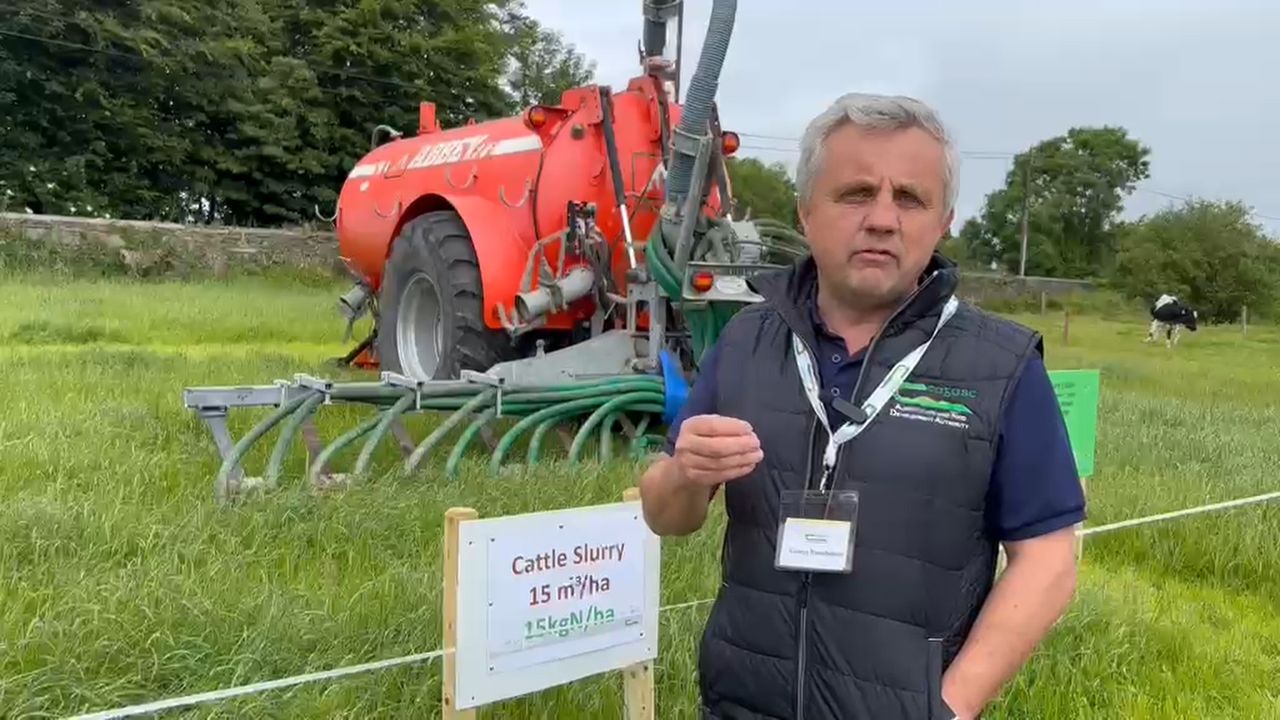
Agriland was in attendance at the open day, where healthy, sustainable, and profitable soils were a key focus of the research being demonstrated.
Commenting on the potential of soil, David Wall, research officer at Teagasc, stated: "We want to open the black box of what's below our feet."
Soil compaction, best defined as the reduction in pore spaces within the soil, is a major challenge to soil fertility and biodiversity.
Causes
Teagasc studies link the risk of compaction with how wet the soil is. This is particularly relevant this year, as many parts of the country are currently experiencing thunderous downpours and have had heavy showers in the last two weeks.
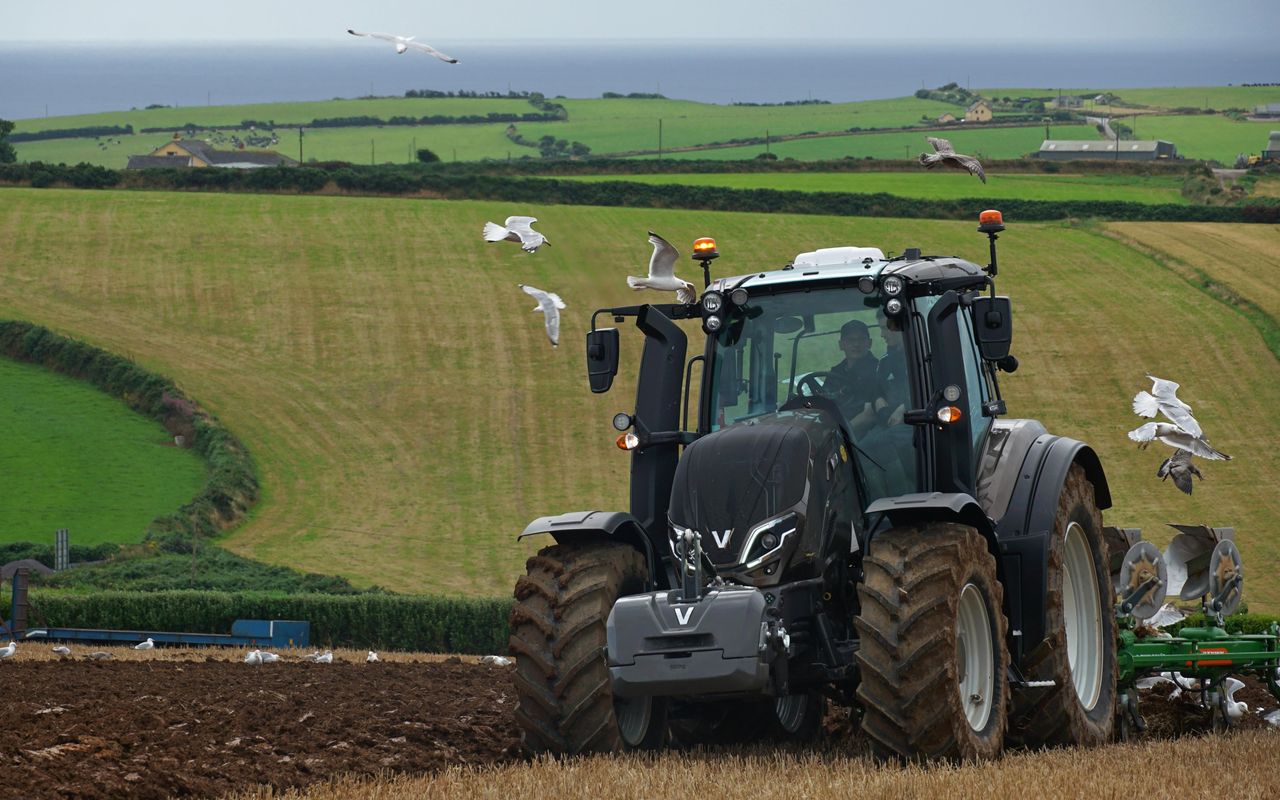
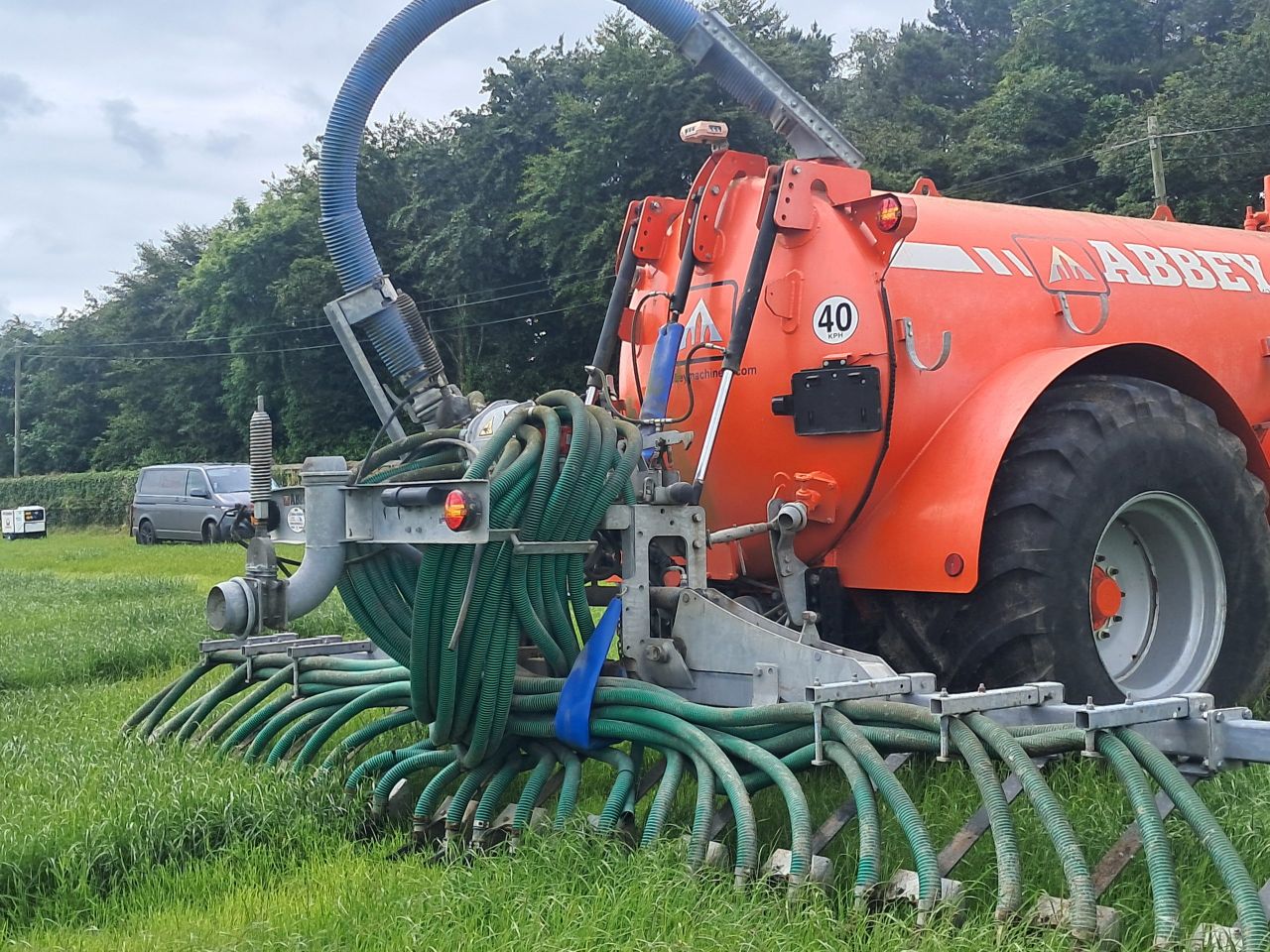
Compaction is typically caused by heavy machinery especially where trailed loads carry additional weight, such as with slurry spreading, liming, fertiliser spreading, silage trailers, etc.
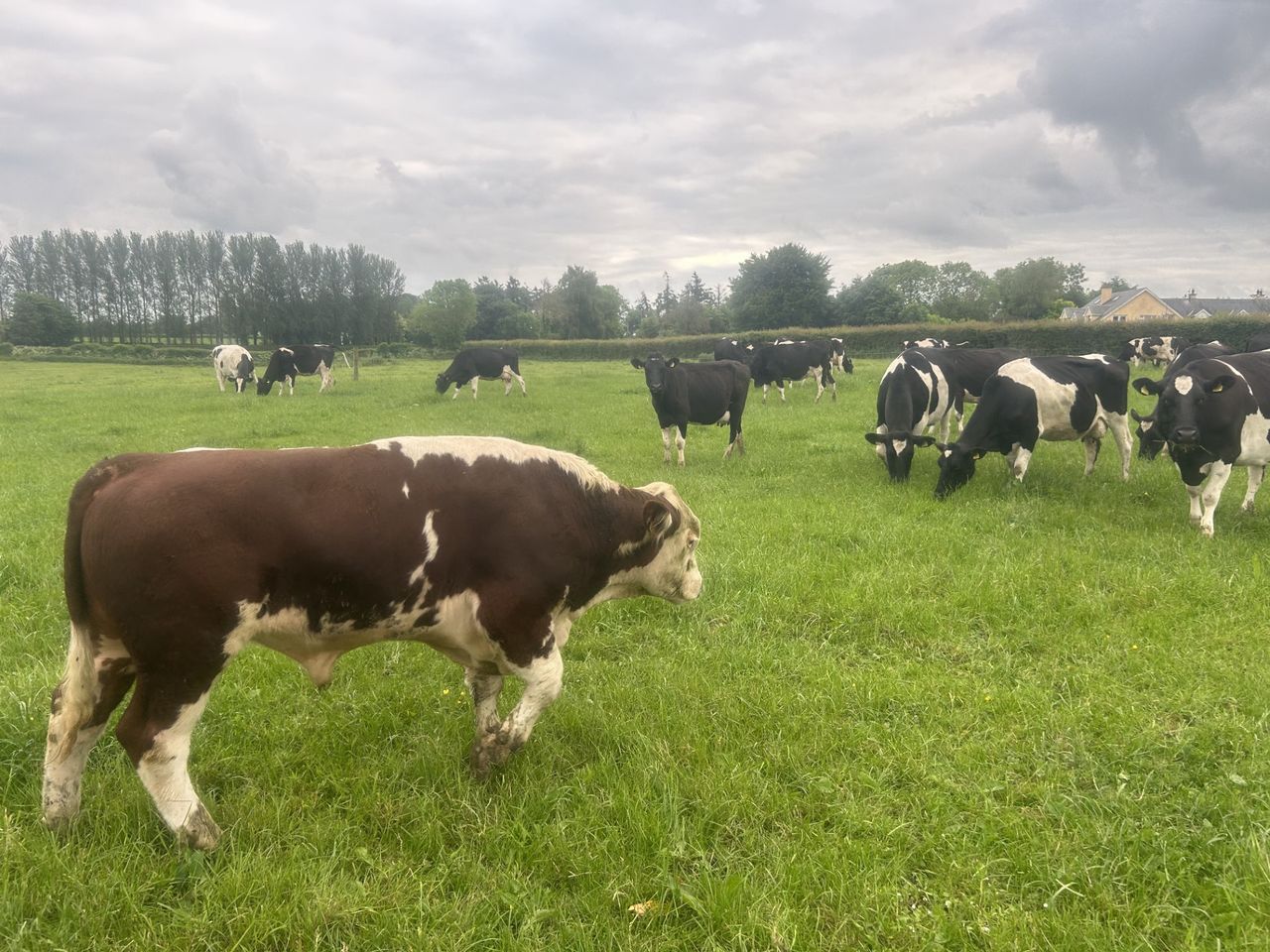
Cattle can also cause compaction through the process of poaching, which is most common but not limited to wetter areas and during the winter and spring months if cattle are outdoors.
Poaching is most common near gateways, feed troughs and waterholes and other locations where cattle congregate in large groups.
Increases in poaching can be seen during the breeding season season if ground conditions are poor.
Effects
Water stagnation is the result of a build-up of excess water within the soil over a prolonged period due to the compaction of pore spaces reducing or preventing the drainage of water.
Soil water logging due to over-saturation is increasingly likely where compaction exists.
Wetter periods may experience prolonged spells of surface water build up causing significant damage to crops.
Iron redox mottles (brownish and greyish patterns) can form in the soil and are the result of a lack of oxygen in soil due to water stagnation.
Low oxygen can result in reduced root respiration and slowed plant growth as well as reduced decomposition and nutrient cycling as well as slowing nitrogen uptake.
The physical compaction near the surface can result in roots not being able to penetrate the soil horizons resulting in poor growth and nutrient deficiencies, such as nitrogen uptake, which is slowed significantly.
Compacted soil can also be identified by the soil being hard to brake apart and less crumbly than typical healthy uncompacted soil.
Mitigating soil compaction
Farmers can opt to use fixed tramlines and controlled traffic systems when operating in fields.
Planning adequate laneways and machinery passages can significantly reduce compaction.
Management of soils after mechanical disturbance such as ploughing is crucial as these are at increased risk of compaction.
A Teagasc study indicates that the axle weight is the main driver of compaction.
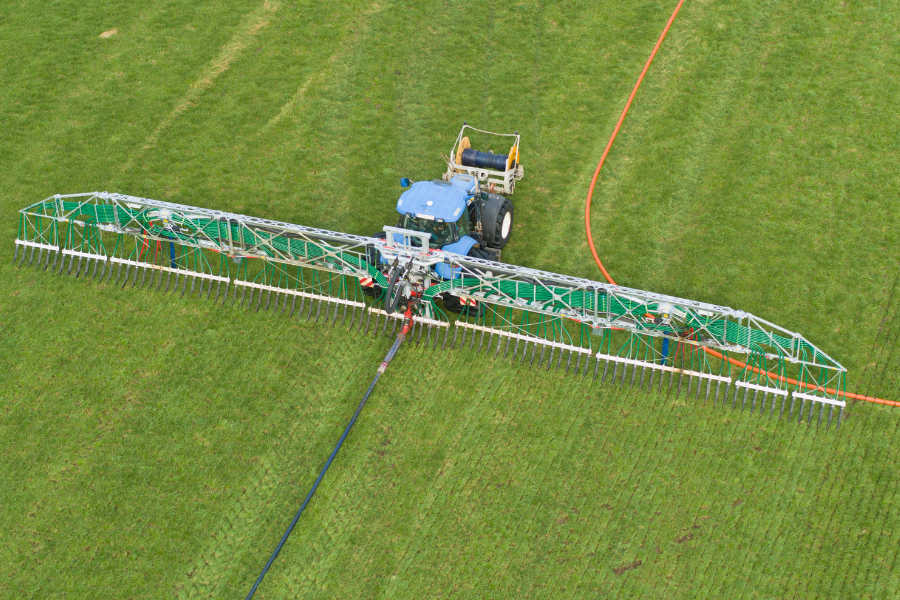
Slurry spreading is a major contributor to compaction.
A trailed tanker can impose 20-30t of axle load onto soil compared to the 4-6t from an umbilical system.
Umbilical challenge
Speaking at the event, Teagasc advisers noted that umbilical system can often result in over-applications of slurry, which can have negative environmental impacts especially on worm populations.
Clear communication between farmer and spreader is required to prevent this.
To maximise soil benefits from umbilical systems, application rates are typically set between 2,000gals/acre and 3,000gals/acre.