Tenders sought for Killarney National Park rhododendron clearance

The National Parks and Wildlife Service (NPWS) is currently seeking tenders to help with clearing rhododendron in Killarney National Park.
The tender, which also includes eradication of the cotoneaster plant, covers two plots spanning a total of almost 115ha.
Killarney National Park covers approximately 10,000ha with a range of habitats and old oak woodland being the dominant forest type.
The park is designated as a Special Area of Conservation (SAC).
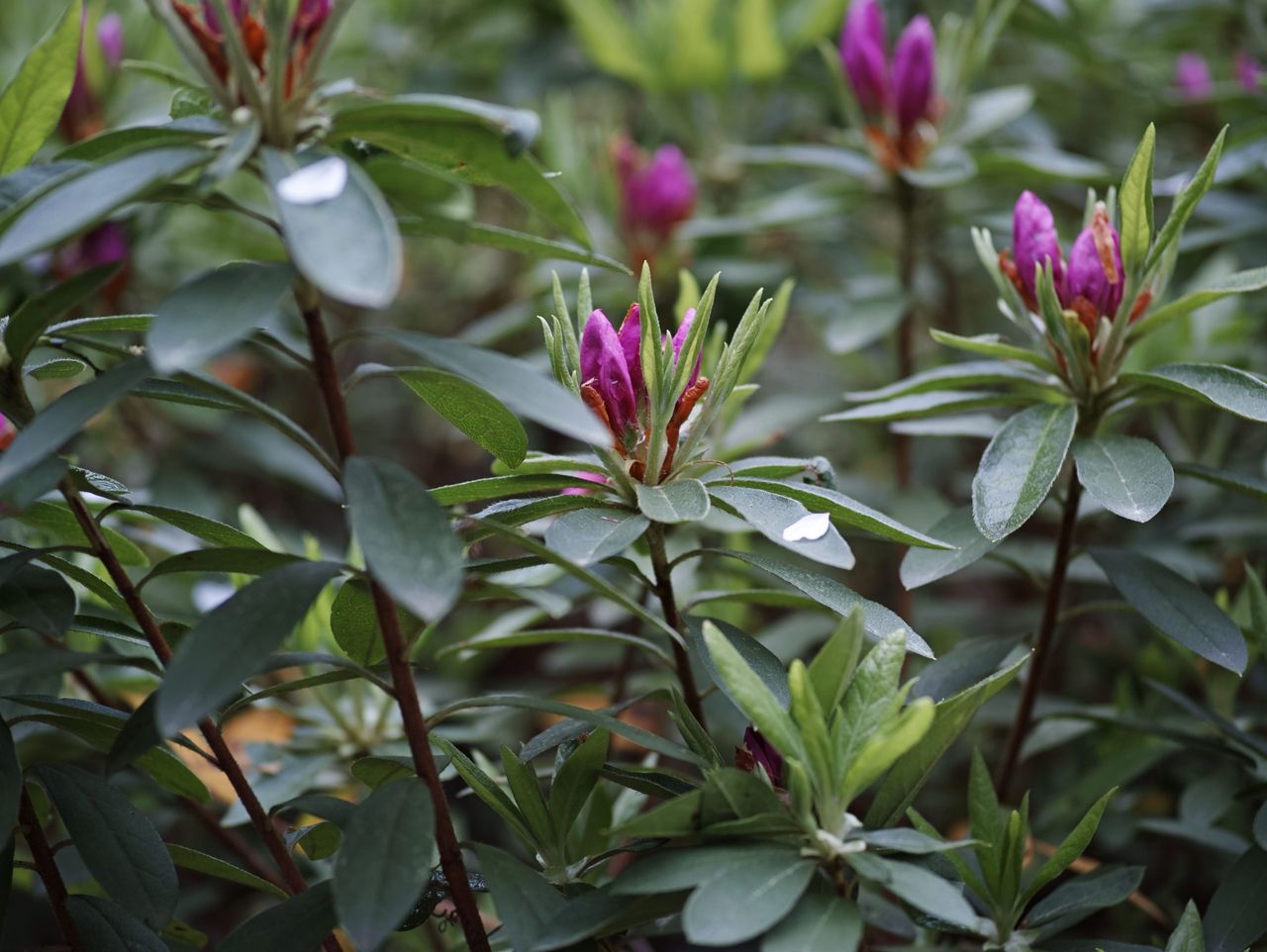
Rhododendron
According to the NPWS, rhododendron ponticum is thought to have been introduced to Ireland in the late 1700s, having been brought in as an ornamental plant.
Once the invasive plant begins flowering, it can spread rapidly across the landscape as the thousands of seeds produced by each flower head can be carried over long distances by the wind.
Rhododendron causes a loss of habitat as mature plants grow in dense patches, replacing native shrubs and plants and preventing natural tree regeneration.
Rhododendron control has been occurring in Killarney National Park for many years.
The current tender relates to the clearance and eradication of rhododendron ponticum and cotoneaster at Gortderraree (54.14ha) and Looscaunagh (60.7ha).
Gortderraree is a sloped section of upland heath and blanket bog, with small streams running through oak woodlands towards the south-west.
The habitats in Looscaunagh is primarily comprised of conifer plantation, along with some blanket bog and some small oak woodlands on rocky outcrops.
The department said treatment of the mature rhododendron here is to reduce overall seed blown into the national park.
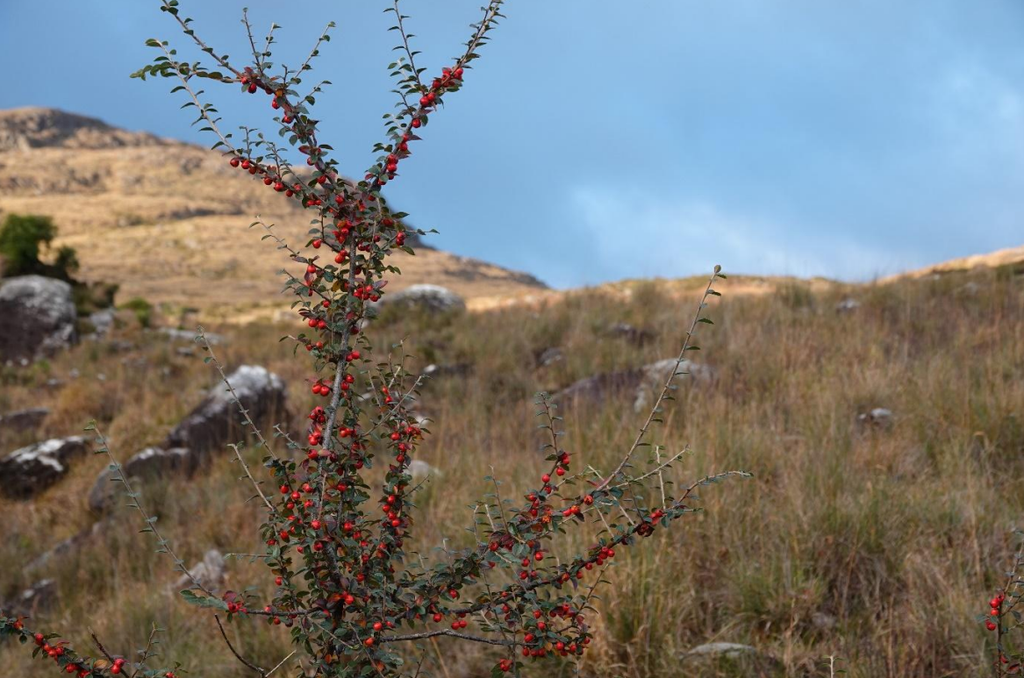
It added that cotoneaster bushes are thinly scattered and localised in the plot.
The successful tenderer will be required to specifically cut or break the plants and treat them with glyphosate in a controlled manner.
The tender documents stress that "great care" must be taken when using the herbicide and to ensure that all empty containers are removed from the site.
Contract
The three-month contract, with a total estimated value of €150,000, excluding VAT, is anticipated to start on the week of July 13, 2026, at the very latest.
The documents note that due to the time of year this contract will come into effect, the plants will be in a state of semi-dormancy.
Therefore, it may take as long as up to seven months for the herbicide to take full effect and for the plants to fully die.
However, the NPWS said it will be "possible to inspect the contract area to ensure correct methodologies were applied by visual inspection of treated plants".
Any rhododendron and cotoneaster plants not killed during the period of contract must be effectively retreated within six to 12 months.
The closing date for receipt of tenders is 3:00p.m on Wednesday, June 17.