EU farm groups: New commission package on fertiliser 'insufficient'

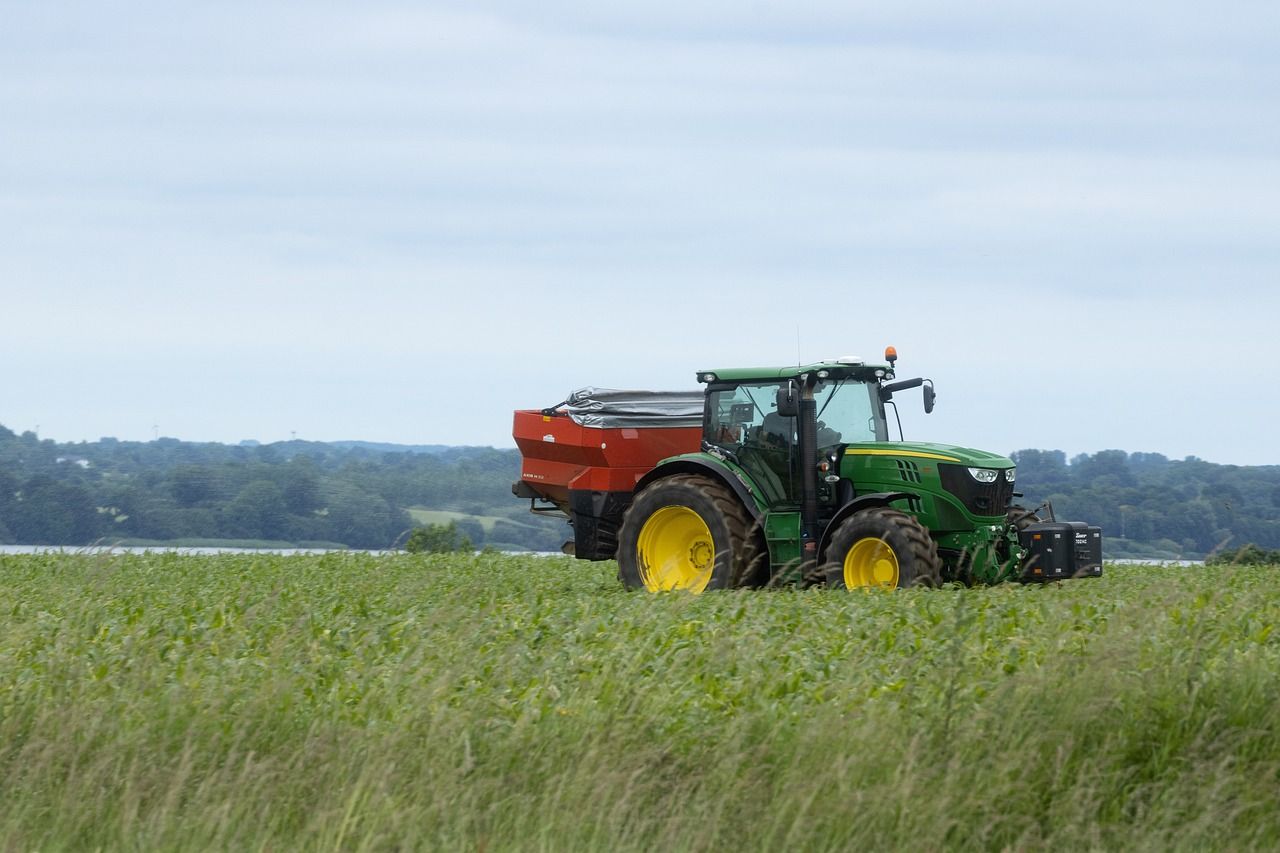
EU farm groups have said that a new support package on fertiliser costs announced by the European Commission is "insufficient".
The European Commission has revealed details of a support package to help farmers impacted by the fertiliser cost crisis, with a potential new €1.5 billion in financial aid.
The commission has proposed new Common Agricultural Policy (CAP) flexibilities to speed up access to supports; and also aims to provide financial relief to help farmers who need to buy fertilisers by providing an immediate package of €540 million.
However, Copa Cogeca, which represents farm organisations and agricultural co-operatives around Europe, has said that the support package, while a positive step, will only provide limited adjustments that "leave the core issues untouched and fail to match the magnitude of the crisis that could hit European agriculture in the months ahead".
Copa said the supports remain "very limited" when measured against the number of European farmers affected "and the scale of the crisis that could unfold during the 2026–2027 agricultural season, particularly as these resources will not be used exclusively to address rising fertiliser costs".
The farm organisations also said that the new package "sidesteps a necessary debate on European mechanisms", citing in particular the Carbon Border Adjustment Mechanism, which will add to the cost of importing carbon-intensive products, including fertiliser.
Copa acknowledged that the flexibility offered to EU member states to advance CAP direct payments and introduce a new liquidity scheme under rural development may help ease cashflow constraints for some farmers.
"However, while redirecting existing CAP instruments may provide short-term relief for cash-flow pressures, it does not create new resources.
According to Copa, the new proposal "merely shifts funding from one purpose to another, meaning that any support made available today will inevitably reduce the resources available to farmers tomorrow".
"Furthermore, it may appear to provide a quick solution, but in practice it is far from immediate. Any modification requires negotiations at EU level, adjustments to national CAP Strategic Plans and administrative procedures that inevitably take time," the group said.
"Farmers facing soaring input costs today need support that reaches them quickly, not after lengthy policy cycles.
"Recent developments have already illustrated how rapidly fertiliser markets can be destabilised by geopolitical events," Copa added.
"At a time when fertilisers remain one of the largest production costs in European agriculture—and the single largest input cost for many arable crop farmers—delays in delivering effective support risk undermining farm viability, food production and the affordability of food for European consumers," the group warned.
The group called for the EU institutions to adopt and implement the new measures without delay, and also called for further action, including suspending the CBAM import tax for fertiliser and providing derogations under the Nitrates Directive so that farmers can make use of farm manure and digestate in place of chemical fertiliser.