'Hope is not a strategy' - farmers advised on lime applications

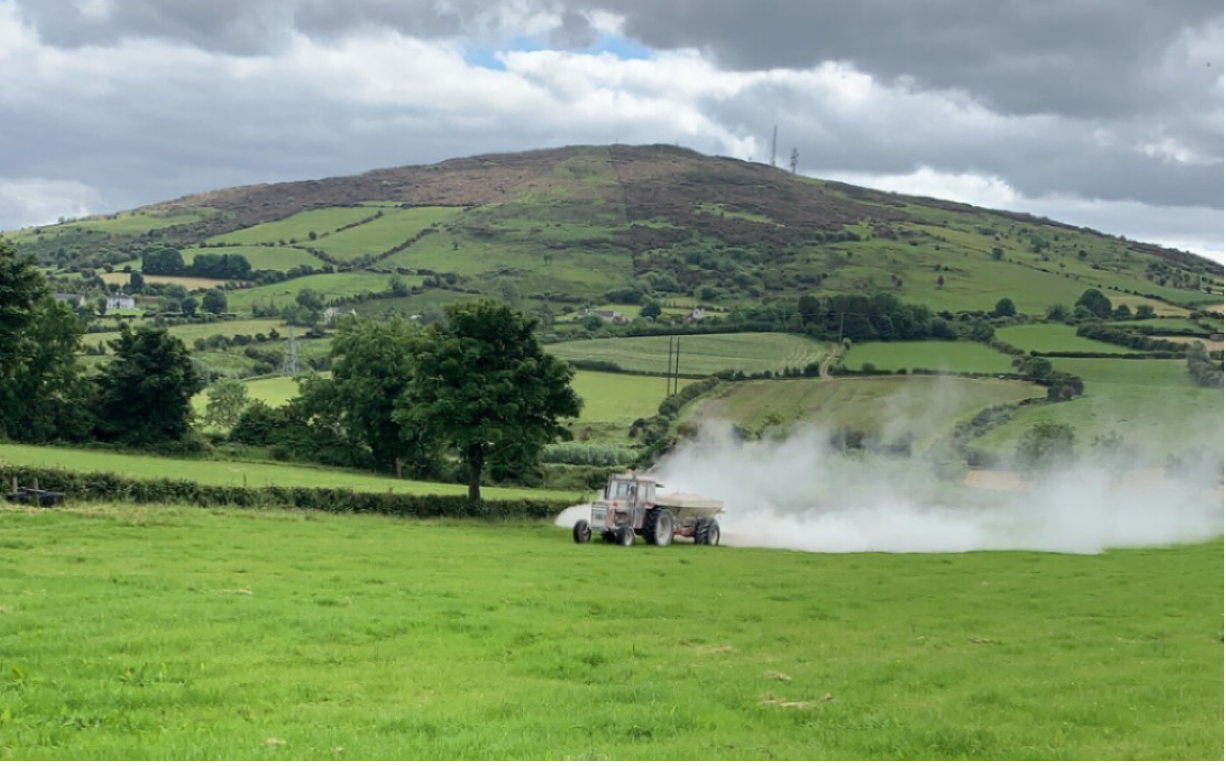
As we move further into summer, liming will not be high on many farmers agendas but with application rates below required levels, they are being advised to spread whenever possible.
Agriland spoke to John Maher, a Grass10 manager and a Teagasc specialist adviser, at the Farming for a Better Future Open Day at Teagasc, Johnstown Castle, Co. Wexford, who advised farmers to take every opportunity to spread lime.
Maher highlighted how Ireland is consistently failing to meet its targets when it comes to lime application.
Ireland peaked in lime applications during the 1970s and 1980s and has not returned to those levels (average above 1.5 million tonnes/year).
Worrying trends
Promising progress was seen during 2019 up until 2022 as lime applications increased year-on-year, surpassing one million tonnes per year.
The rate declined from then on, with 2025 applications at a five-year low.
The wet weather has played a significant part in this, with average rainfall for autumn 2025 up 134% on the 30-year average to 2020.
- 40% of dairy farms require lime;
- 60% of drystock farms require lime.
The wet weather continued into early spring, with January and February averaging 20% increases in precipitation.
The knock-on effect of this meant delayed first rotations for many farmers, combined with exceptional cost increases in green diesel, which in turn led to many farmers delaying lime applications until autumn, especially where reseeding is done in conjunction with lime.
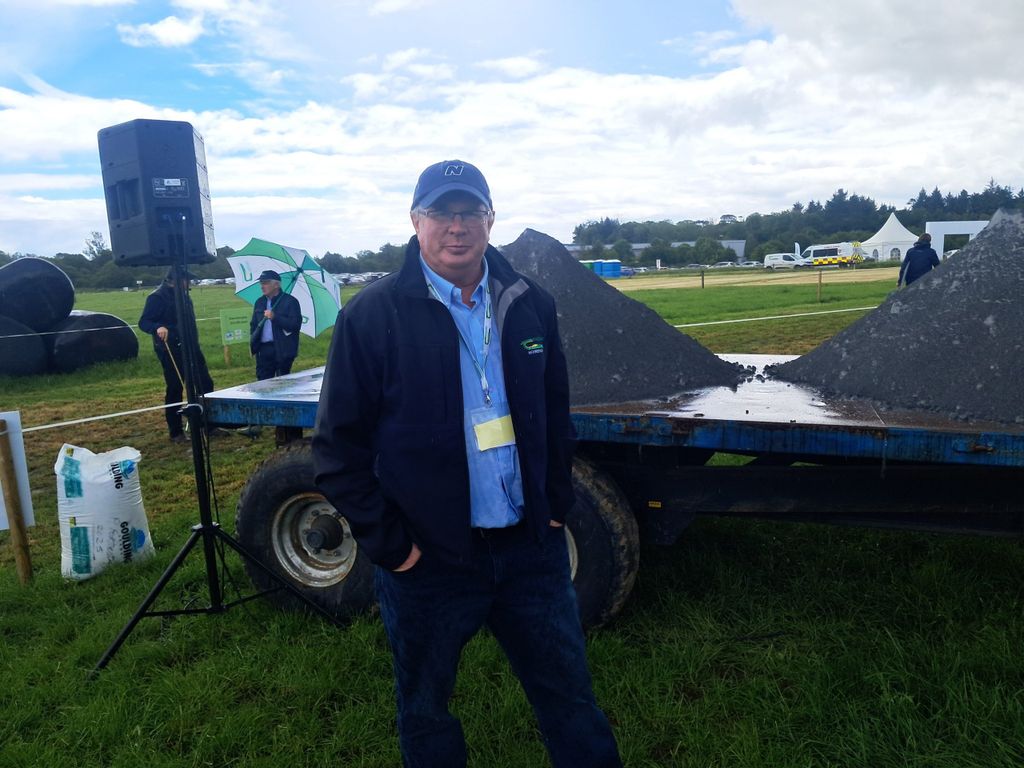
Maher is advising farmers that lime applications should not be confined to autumn, as there are too many variables that may disrupt applications and result in a farm failing to meet its targets.
He said: "You are hoping the contractor can come, the weather holds, you can travel the field, and, the lime is in the yard.
"Hope is not a strategy."
According to Maher, soil tests are essential as they allow farmers to target fields that need lime the most.
He added that reseeding offers the best chance to apply lime.
However, with reseeding delayed in many places due to the aforementioned weather and cost increases, it was not the only opportunity to apply lime in the early stages of the year, Maher said.
Silage opportunity
The Teagasc adviser went on to say that where there was an explosion in growth and stemming of the plant had occurred and silage is taken out, farmers can spread lime on this land if needed.
The silage taken leaves a "lovely clean sward to apply lime", and farmers will not have to worry about lime on leaves reducing absorption into the soil.
The lime will begin to work once it enters the soil and the sward will see a relatively immediate release of phosphorous that had previously been tied up by binding with soil aluminium at low soil pH.
Maher recommends "picking off fields whenever possible" and reducing the demand for autumn applications.
He also added that lime was not a trade off with other nutrient applications stating: "We can now spread slurry in the morning and then lime in the evening."
Lime benfits
Maximum soil fertility requires a pH of 6.3-7.0 (5.5-5.8 in peaty soils) while clover requires a minimum soil index 3 for phosphorous, so liming can lead to significant production increases.
Farmers that reach their recommended application rates experience 10-20% increases in grass growth or potentially an additional 2.5t dry matter (DM)/ha.
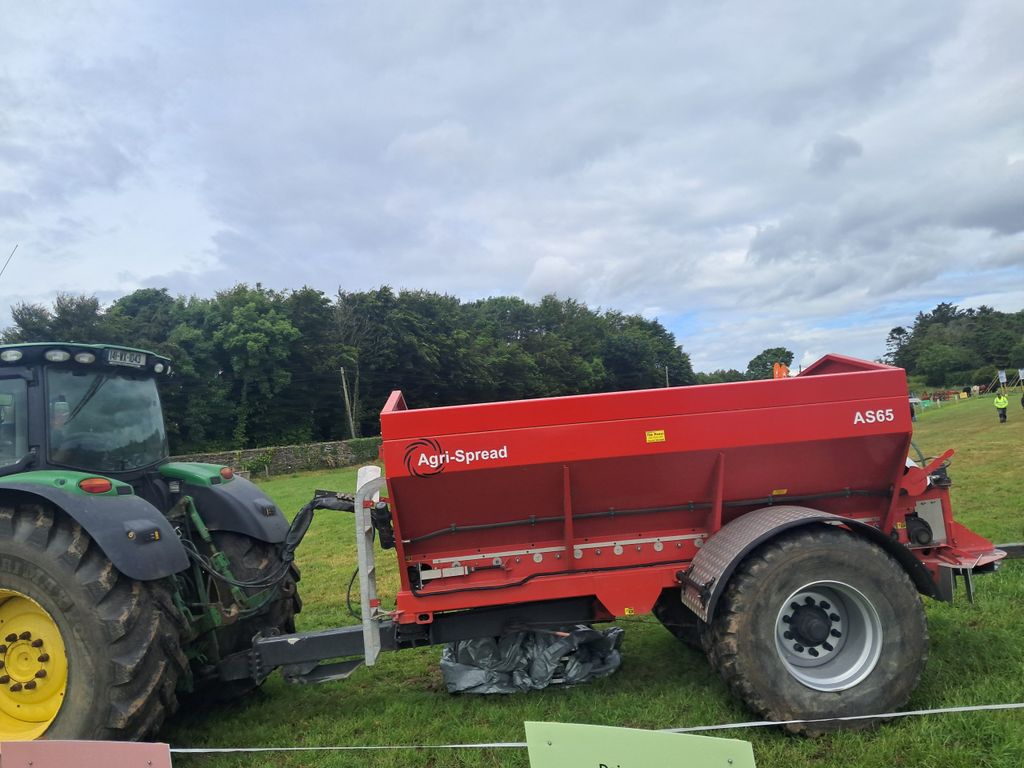
Teagasc research shows that for every €1 invested in lime, the farmer sees a €6-€10 euro return.
Teagasc data for 2025 suggests the cost of a maintenance lime application rate is €14/ac/year over a five-year period, with the bulk of the cost in the initial application.
The release of phosphorous is also a massive advantage, especially where P allowances are reduced or a farmer is growing clover as part of the sward.
Lime spreading tips
- Soil sample every 3-5 years;
- Max application is 7.5t/ha;
- Choose the best lime product (granulated or fine lime);
- Choose lime type (calcium or magnesium);
- No interval required between protected urea and lime applications;
- Seek advice from agronomy exports or Teagasc advisers.