The potential for hybrid rye and triticale in Irish tillage rotations

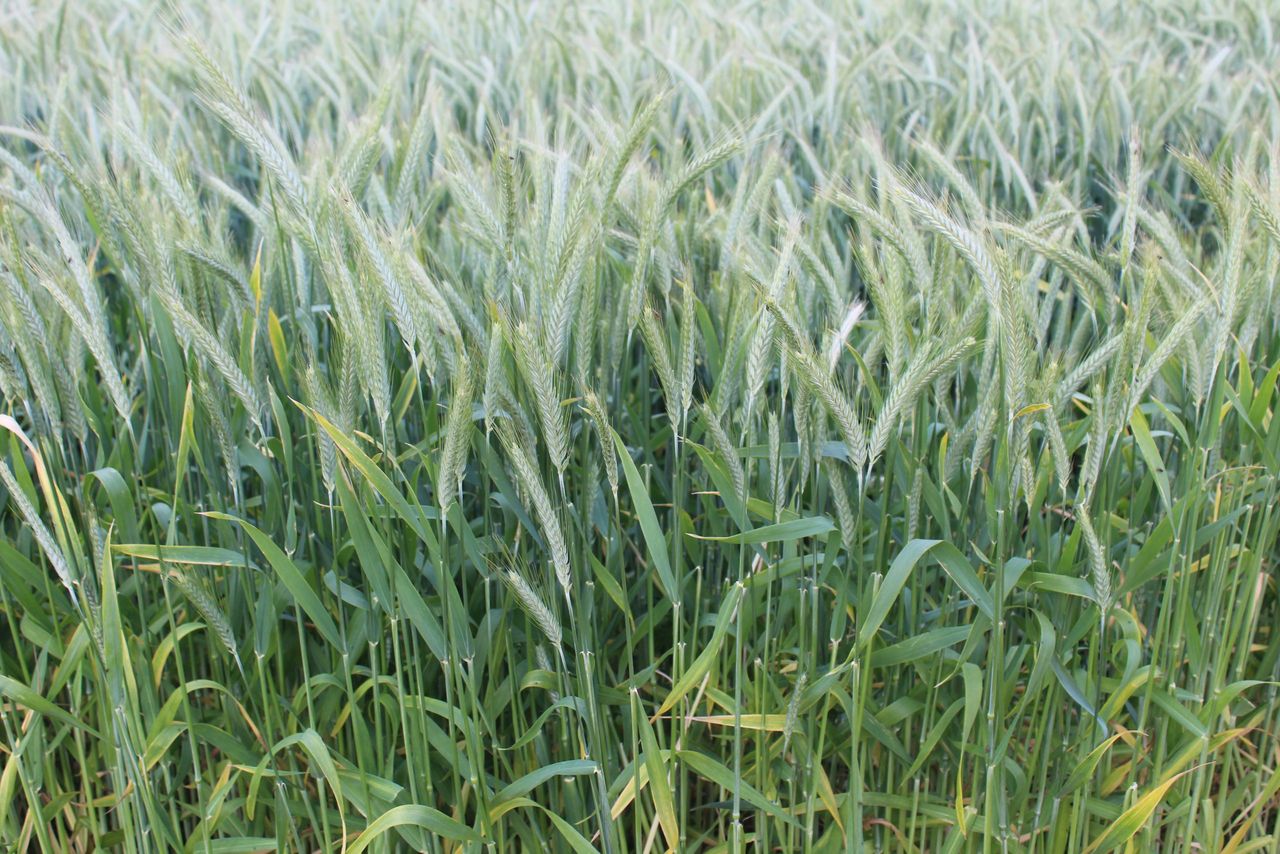
Goldcrop is highlighting the significant potential for winter hybrid rye and triticale in Irish tillage rotations, as either grain or wholecrop alternatives.
Both cereal crops options are very suited to the growing conditions that exist across the island of Ireland, according to the seed specialists.
The yield potential of triticale is immense, making it perfectly suited for grain production and wholecrop purposes.
Goldcrop trials have confirmed that the cereal can out yield 5t/ac winter wheat crops by up to 20%. This is based on both cereals being managed with the same level of inputs.
Goldcrop agronomist, John Dunne commented:
“The combination of excellent grain output and straw potential makes triticale a superior wholecrop option for Irish livestock farmers.”
Meanwhile, Irish grower interest in winter hybrid rye continues to grow.
The crop delivers myriad benefits from a performance and rotation related perspective.
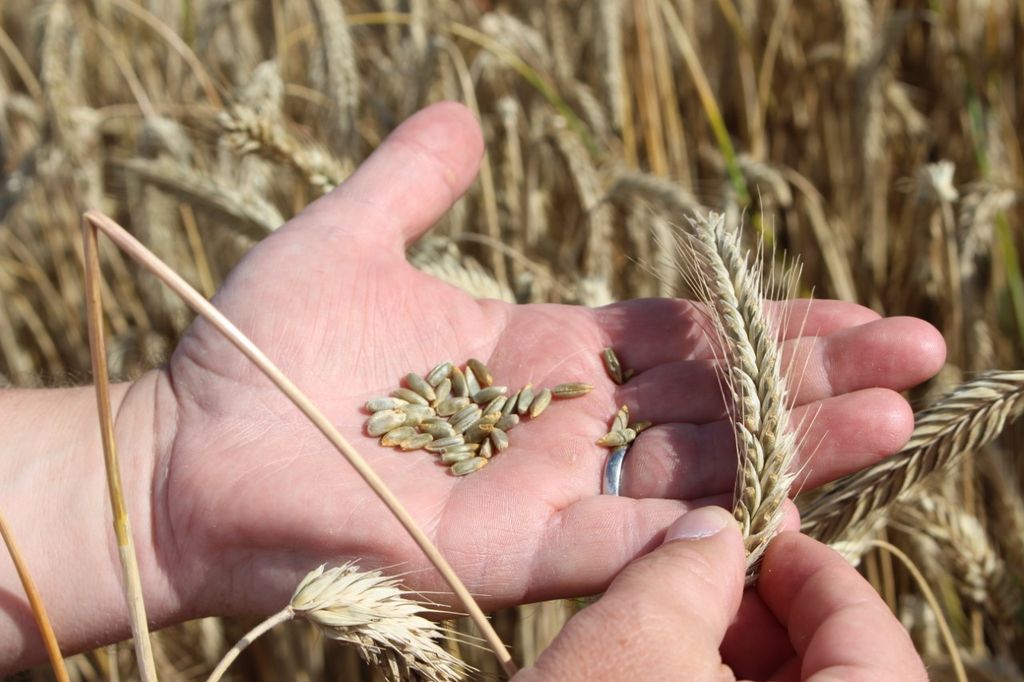
It has a high grain yield potential, equivalent to winter wheat at between 10-13t/ha.
The crop helps deliver a more flexible workload on tillage farms.
Hybrid rye will mature between winter barley and winter wheat, and also has a wide sowing window from September to December.
What’s more, it can be harvested for wholecrop or for grain. Modern varieties will typically have 50-55% grain in total yield and fresh yields of 45-50t/ha at 30-40% dry matter (DM) content.
There is a lower nitrogen (N) requirement to grow the crop than is the case with winter wheat.
Hybrid rye crops will also deliver high straw yields.
The crop requires 25% less water than wheat or barley to fill its grain, which makes rye very suitable for light textured soils.
Take-all
Rye is second best after oats in terms of take-all tolerance, which makes it an ideal choice as a third or second cereal in a winter rotation.
But it is not a take-all break. So, growers should be aware that only crops like oilseed rape, pulses, oats etc can break the take-all cycle.
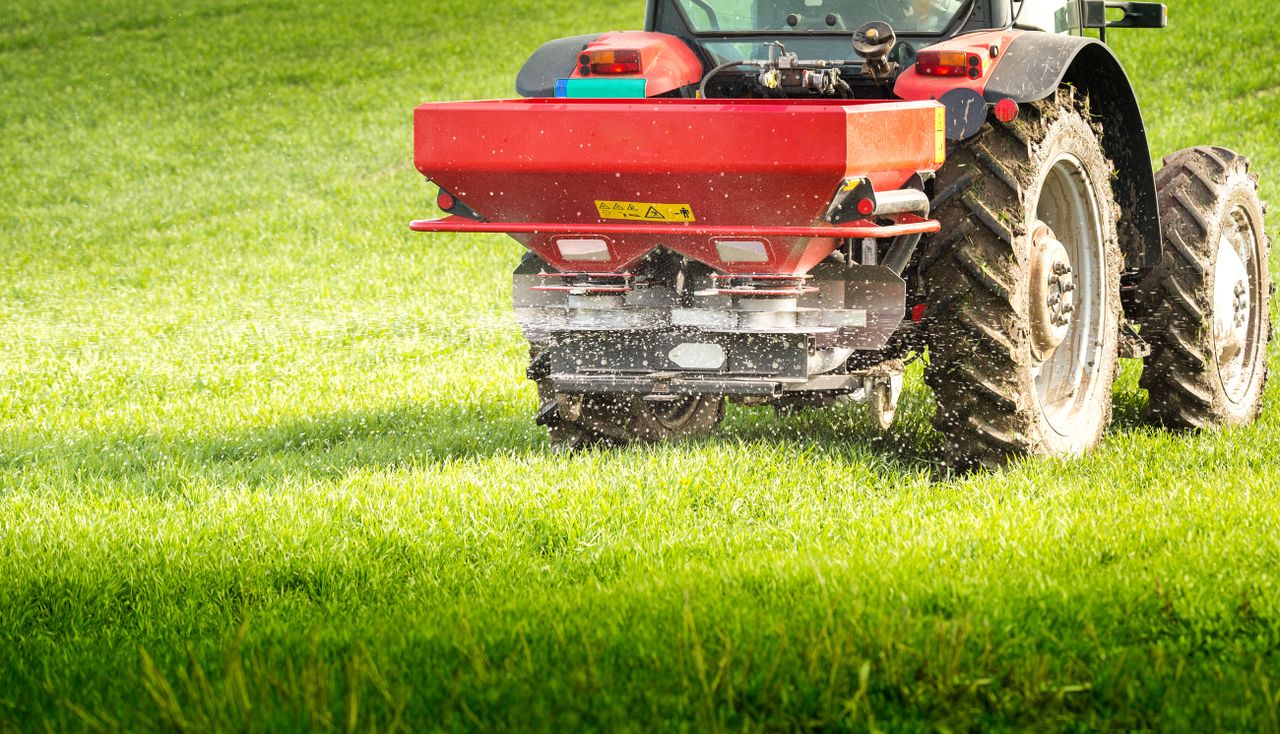
Significantly, hybrid rye has a high yield potential, and the fertiliser programme needs to reflect this.
As a rule of thumb, rye will generally require 20-30% less N than winter wheat. Research has shown that a yield plateau occurs for hybrid rye at approximately 180kg N/ha.
Rye will remove large amounts of potash (K) so this must be replaced: 80 units of K per acre as a minimum.