Australia confirms first case of H5N1 bird flu

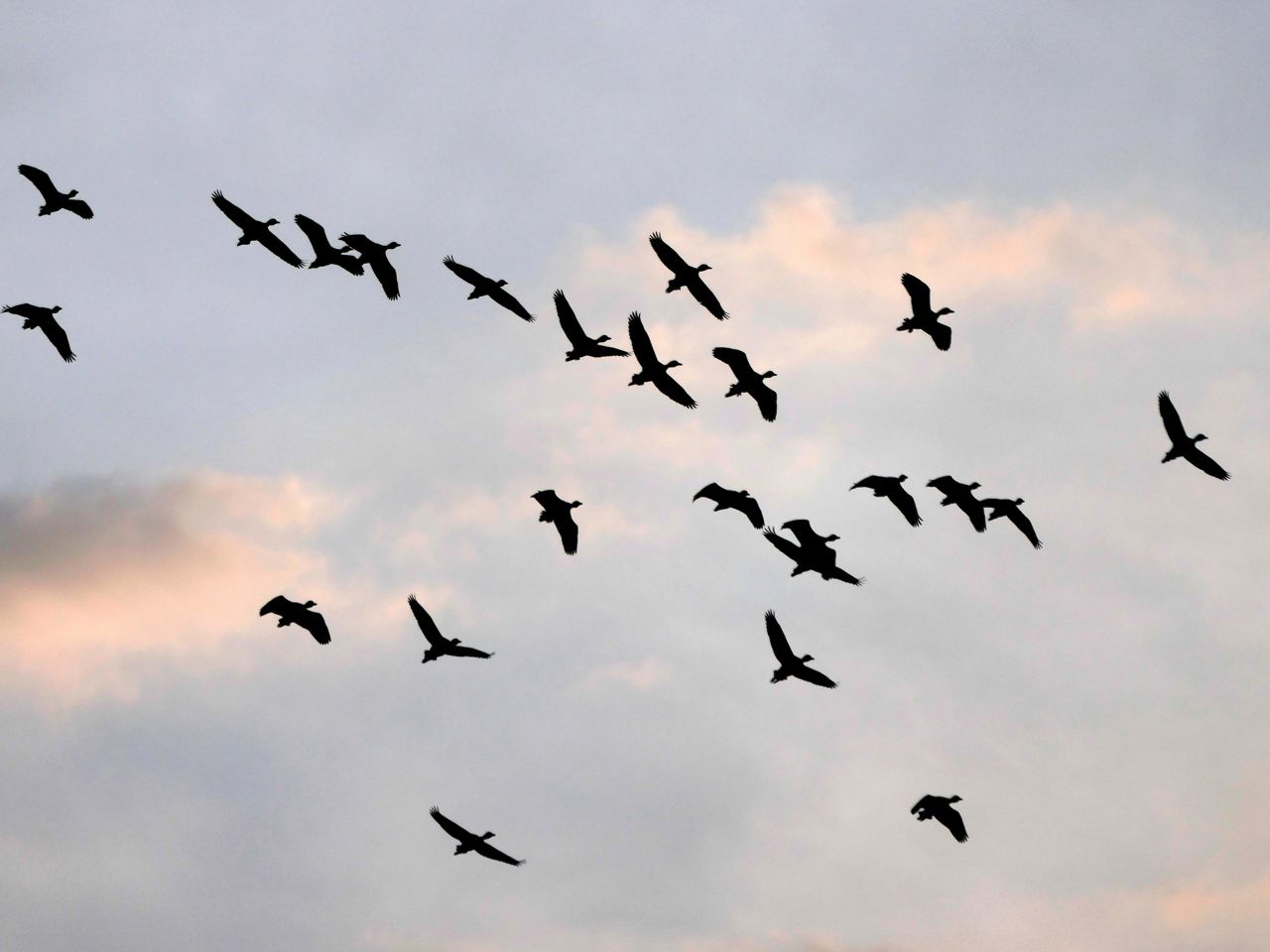
The H5N1 strain of avian influenza (bird flu) has been detected in Australia for the first time, the country's agriculture ministry has confirmed today (Saturday, June 20).
Testing at the Australian Centre for Disease Preparedness (ACDP) confirmed the H5N1 bird flu strain in a brown skua in Western Australia.
Samples from a second bird, a giant petrel, have also tested positive at the Western Australian Department of Primary Industries and Regional Development’s laboratory.
These species are migratory seabird species that occasionally visit southern Australia.
This means that the H5N1 bird flu strain has now been detected on every continent on the plant.
Bird flu
Agriculture Minister Julie Collins said that both species were found in an isolated area in a national park near Esperance, and were cared for in isolation.
The Western Australia Department of Primary Industries and Regional Development is leading on-ground activities and the Department of Agriculture, Fisheries and Forestry is supporting national coordination.
In a statement, Minister Collins said a key priority is to undertake surveillance to determine the extent of the infection in wildlife.
She added that there have been no detections in poultry and there is no evidence of mass mortality at this time.
"Australia’s response is designed to manage the risks of H5 bird flu, to protect poultry production, and reduce impacts on wildlife and communities," the minister said.
Australia
A dedicated Australian government taskforce was established in 2024 to strengthen preparedness for a possible incursion of the virus in the country.
A series of national simulation exercises have also taken place in recent years.
Minister Collins has encouraged the public to report any dead or sick birds or animals showing signs of bird flu.
"The Australian government is well prepared for a potential outbreak of H5 bird flu, with well-established national response arrangements in place to respond to emergency animal diseases, including H5 bird flu.
"We take the risks of H5 bird flu seriously which is why our government has invested more than $113 million to strengthen our nation’s preparedness," she said.
Australian chief veterinary officer, Dr Beth Cookson added:
"This detection is being taken seriously, and Australia has been preparing for this scenario for several years.
“Australia is well prepared to respond to H5 bird flu and will react quickly, to protect poultry production, and reduce impacts on wildlife and communities."