O'Mara: 'We have to ensure part-time farmers get return for efforts'
Teagasc director Prof. Frank O'Mara has said that Ireland, and Europe, have to ensure part-time farmers "get a reasonable return" for their efforts.
He made the comment at an event in Dublin today (Monday, July 27) on generational renewal and women in farming.
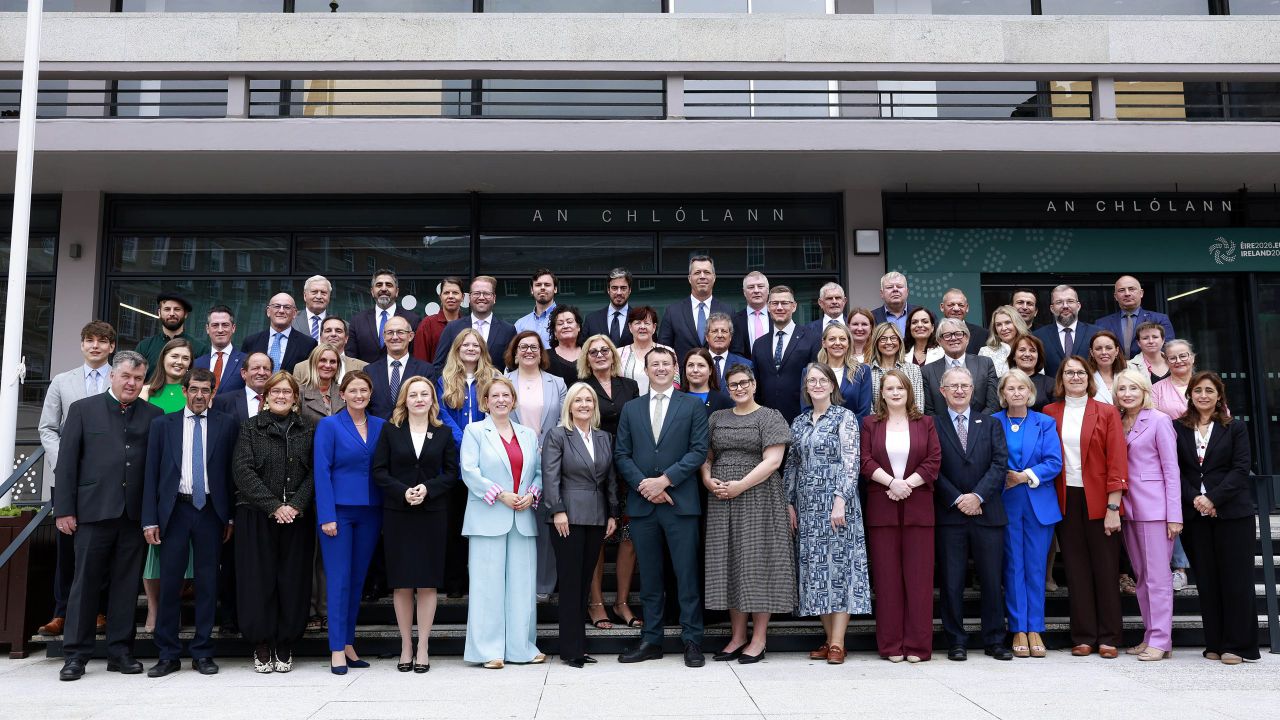
The event, titled the 'Interparliamentary Conference on Securing the Future of Farming, from Policy to Practice' took place in Dublin Castle and brough together public representatives and lawmakers from across the EU.
Speaking on the third panel session of the day, Prof. O'Mara addressed questions that were raised about the role of both technology and "fair systems" in securing generational renewal and farm viability.
He told the attendees that "in Europe, we are often a bit slow to get our heads around how we will use new technologies, and that's very evident recently".
He cited the example of new genomic techniques (NGT), which were recently approved for use in the EU.
"We had the regulation around the new genomic techniques...Now we can use things like gene editing in plant breeding in Europe, but we're 15 or 20 years behind the rest of the world, and that impacts on our competitiveness," he said.
"And given the focus of the EU on competitiveness, I would hope we might be more conscious of the implications of decisions like that, and the competitiveness of our farm businesses and other businesses," Prof. O'Mara added.
While it was the general feeling at today's conference that younger farmers, as well as female farmers, might be more open to new technological innovations, the Teagasc director said that farmers "in general, they're a very innovative community".
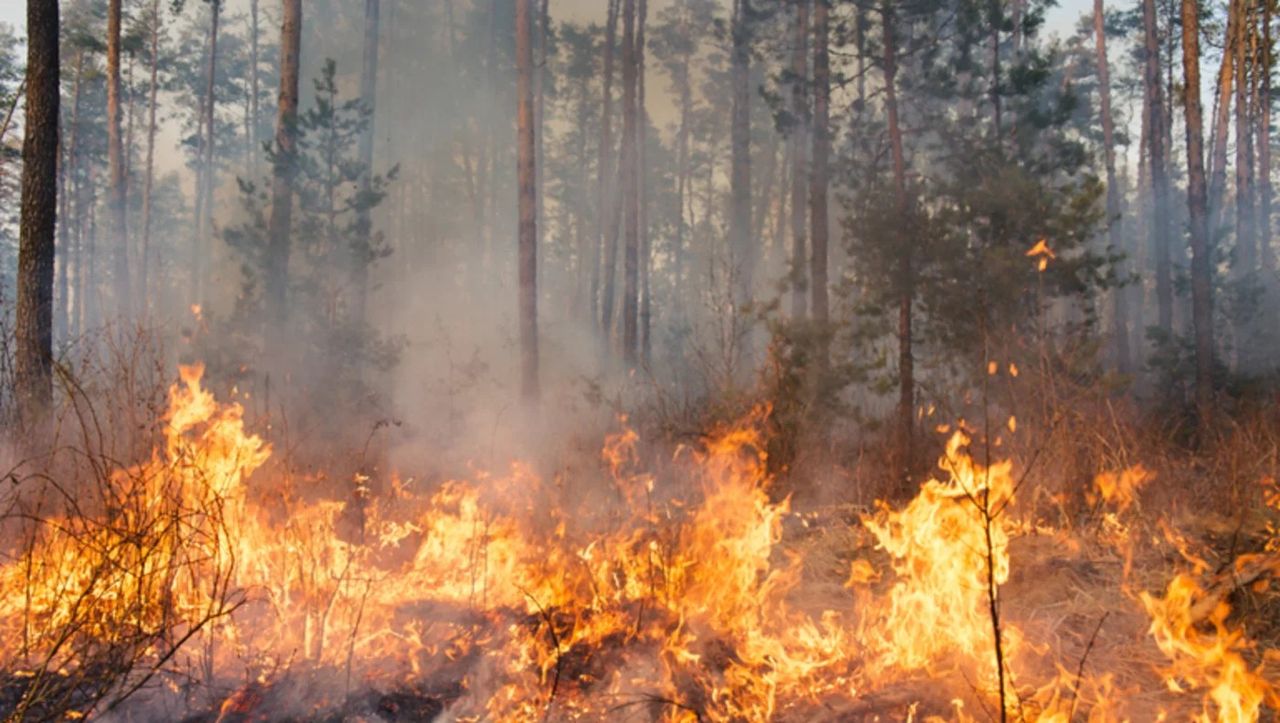
"They come out to help the community when there are problems, so farmers are up helping on the wildfires in Tipperary, and I'm sure they are in other parts of Europe," he said.
"They produce our food, they look after our countryside, so look, its really, really important, the subject that we’ve talked about today, the subject of generational renewal, and who will be producing our food, who’ll be farming our land, what would they be doing on it in 20 years time, it's really important," Prof. O'Mara said.
"And I think there won’t be one-size fits all… Things do change. We have to accept that things change.
Commenting on the role of part-time farmers, The Teagasc boss said: "We have seen in Ireland the growth of part-time farming. I don't see that as a negative thing in many ways, but we have to ensure our part-time farmers can get a reasonable return for their efforts, and don't have to put huge effort and huge hours in to do that.
"So there's a role for technology, there's a role for fair systems, in all of that," he added.
Women in farming
Speaking about the role of women in farming, Prof. O'Mara said: "We need to get behind the bit of momentum that has built up in the last few years around encouraging female participation in farming.
"I'd love if we could get to the stage where we didn’t point out "there's a female farmer", that we didn’t point out "God, Teagasc has two female farmers in its demonstration group"; that they are just all farmers," he added.
"We have a job of work to do, a long road to travel to get to there, but we should be behind the momentum that is there now, because they can help to solve the problem, the question we have as to who will be farming our land in 20 years time," Prof. O'Mara said.