Sponsored
What is Bord Bia's role in Irish farm sustainability?

Sponsored by
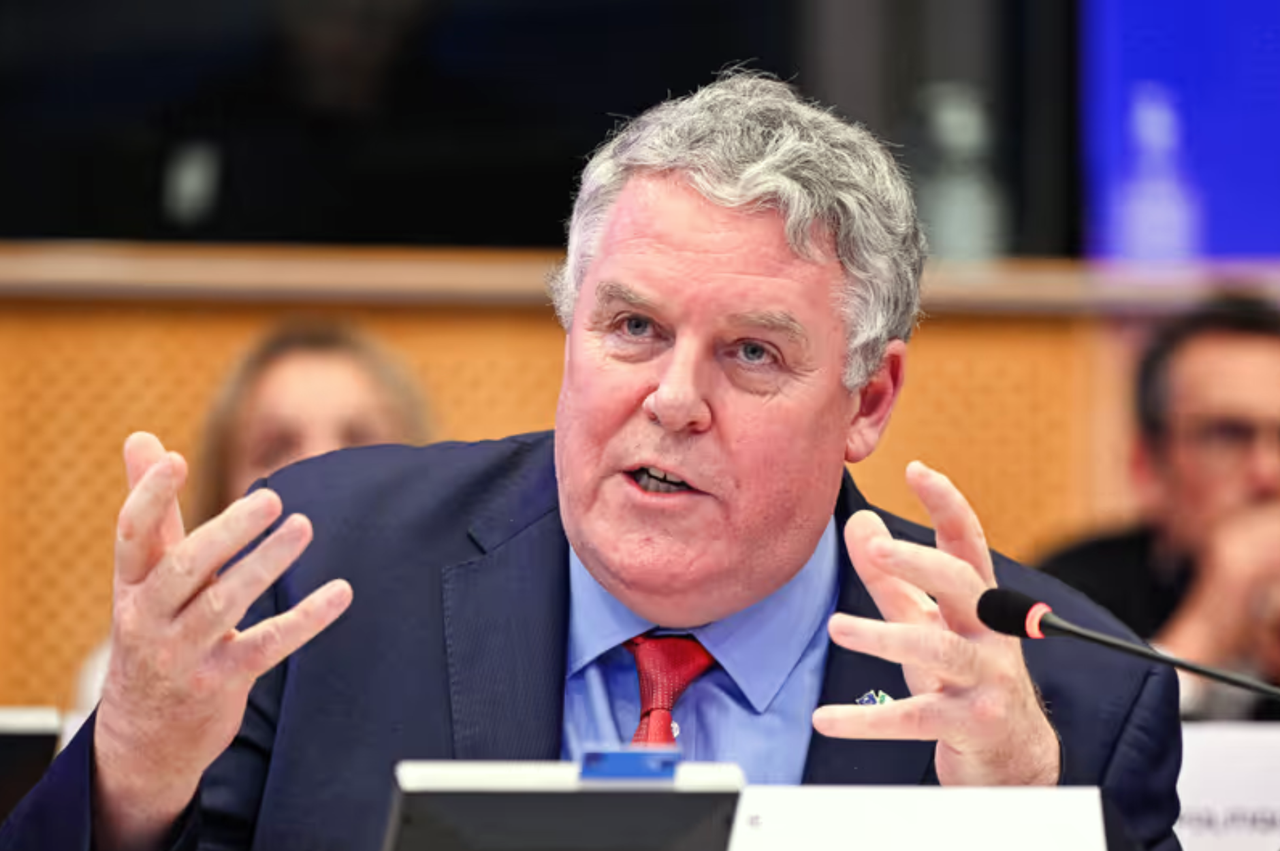
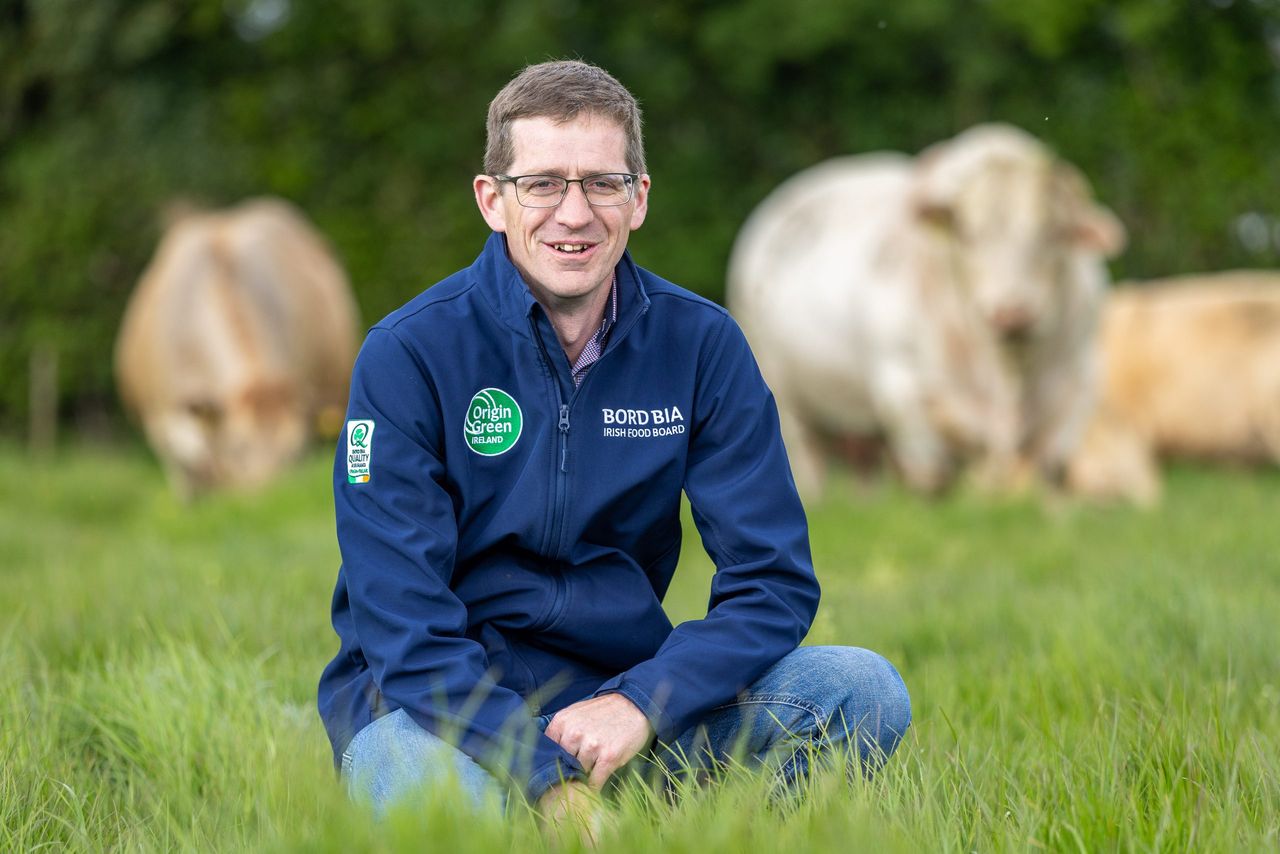
Bord Bia's Mick Houlihan comes from a suckler beef farm in Co Kildare, where he still helps out when time allows, as well as keeping a few cattle of his own.
After studying ag-science in UCD, he worked in the meat industry, on a large-scale dairy and beef farm, and with an engineering firm before moving into a research and auditing role with SGS.
He joined Bord Bia in 2013.
Tell us about your role in Bord Bia.
After I joined Bord Bia in 2013, I was responsible for the roll-out and management of the Sustainable Dairy Assurance Scheme, which was a brand-new scheme for Bord Bia and the dairy sector at the time.
I also took on responsibility for managing the Sustainable Beef and Lamb Assurance Scheme.
The scope of the job has changed over the years aligned to the ever-increasing emphasis on farm sustainability.
How does your farming experience influence or inform your job?
It influences and informs it to a great degree.
The understanding of farming systems developed through experience means that myself and the team can provide meaningful insight to those we engage with when promoting Irish agriculture and food.
We can add more detail based on our real-life experiences of the farms we grew up on and live on.
I think this is also a driver for us as we feel the responsibility of representing the farming sector we are rooted in, to the best of our ability.
What does the day-to-day job involve?
I lead a team with broad responsibilities across Bord Bia’s Sustainable Assurance and Origin Green department.
The team is responsible for meeting demands in relation to agri-sustainability requirements and explaining Ireland’s progress to buyers and potential buyers of our produce.
We also support colleagues speaking with customers around the world and provide technical expertise for the carbon-footprint models used to show the industry’s sustainability performance.

We manage Bord Bia’s role in AgNav, the farm sustainability platform with the Irish Cattle Breeders Federation (ICBF) and Teagasc.
We also work with processors, providing detailed reporting to support their quality and sustainability claims and customer engagement.
The team represents Bord Bia and the Irish agri-food sector in international sustainability forums, supports the development of Bord Bia standards, and helps integrate farmer-facing initiatives into companies’ Origin Green plans.
My colleagues and I regularly meet farmers at events across the country as part of Bord Bia’s wider farmer-engagement programme.
Is farm sustainability important to buyers of Irish food?
Sustainability is becoming increasingly important, driven by both policy requirements and customer expectations.
Buyers need credible evidence to support their sourcing decisions.
The Bord Bia audit is essential for verifying the high standards maintained by farmers in Bord Bia schemes.
The audit provides credible data that helps buyers of Irish food and drink meet their commitments on emissions, responsible sourcing and sustainability.
This evidence strengthens the case for sourcing from Ireland and supports access to key export markets.

Our work helps bridge the knowledge gap among customers and consumers who may be less familiar with Ireland’s grass-based farming and food-production systems.
We clearly explain what sets Irish food production apart and the benefits of sourcing from Ireland.
Also, a less known benefit of the audit process, is that a single Bord Bia farm audit generates data that can be used by all participating dairy and beef processors, avoiding the duplication and additional costs that would arise if each processor collected the same information separately.
It also means farmers face one Bord Bia inspection rather than multiple company-led inspections.
Sponsored by