How much are farmers paying for hay and silage?

With rain offering some relief, farmers are now turning their attention to the next challenge - building up enough fodder in the yard to last through the winter.
Agriland spoke to several farmers and industry associations to get an idea of average prices for hay and straw around the country.
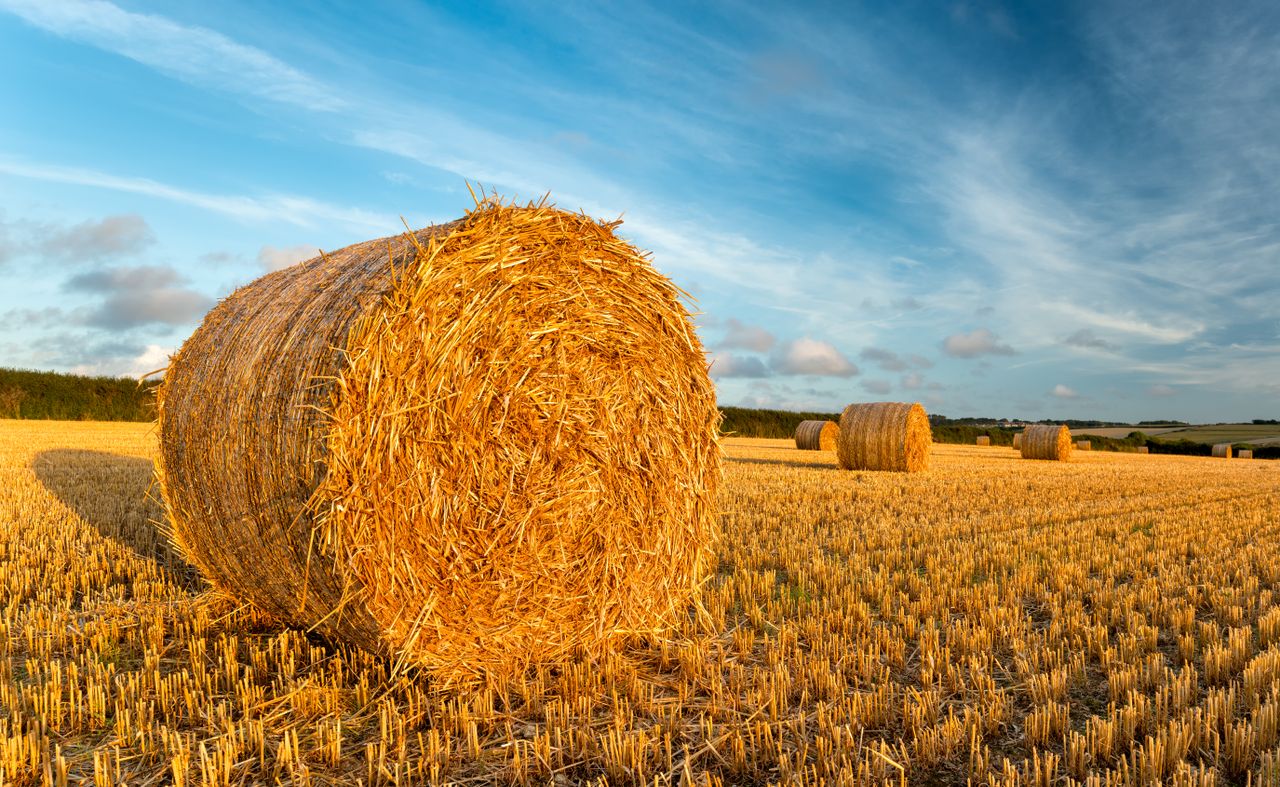
Feedback suggests hay is typically costing farmers around €40/bale for round or 4 X 4 bales and up to €50/bale when collected.
Small square bales of hay are costing farmers typically between €4-€6/bale with quality being a key factor.
One other key factor to consider is transport as this will impact on final costs because travel distances and whether loading or unloading is done by buyer or seller will need to be considered in advance.
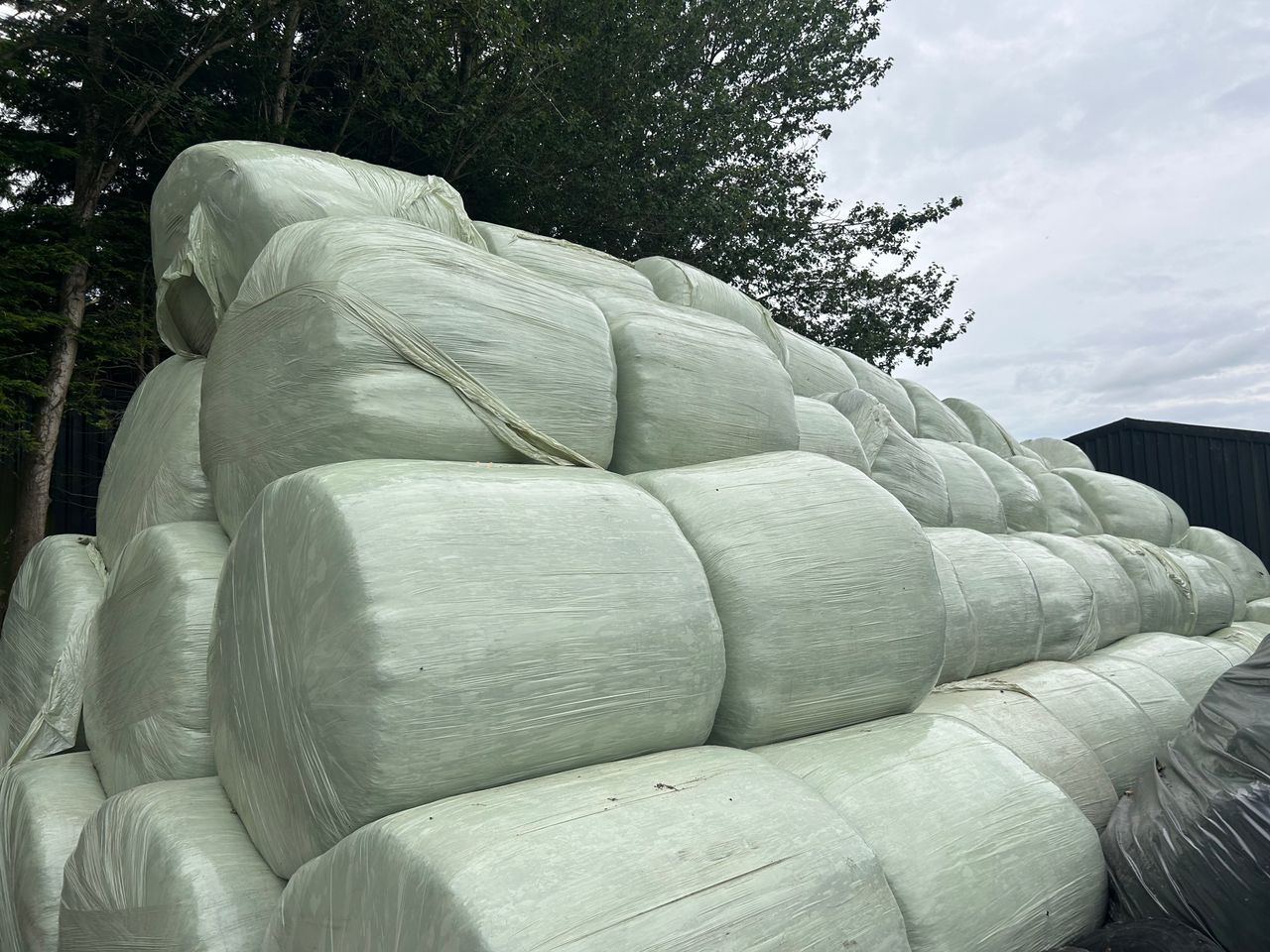
Currently silage is being quoted at €50/bale with prices also heavily influenced by quality.
High DMD, more suited to milking cows will be more expensive as these bales are produced from pastures with lower covers, resulting in three to four bales per acre.
Silage bales
Demand for silage has increased substantially with one west cork- based farmer warning now that "silage bales can't be got."
Higher cover paddocks when baled will produce from five to seven and potentially more per acre, but heavier stemmy covers will result in lower quality bales.
These bales are often excellent dry cow bales as high quality bales fed pre-parturition (calving) can increase a cow's risk of milk fever.
Based on good quality hay with a high dry matter content of 90% and a standard average bale weight of 315kg, plus a cost of €50/bale delivered, each bale has 283.5kg (315÷0.9=) of dry matter which works out at 5.67kg of DM for every €1 of hay(283.5kg÷€50=).
Hay
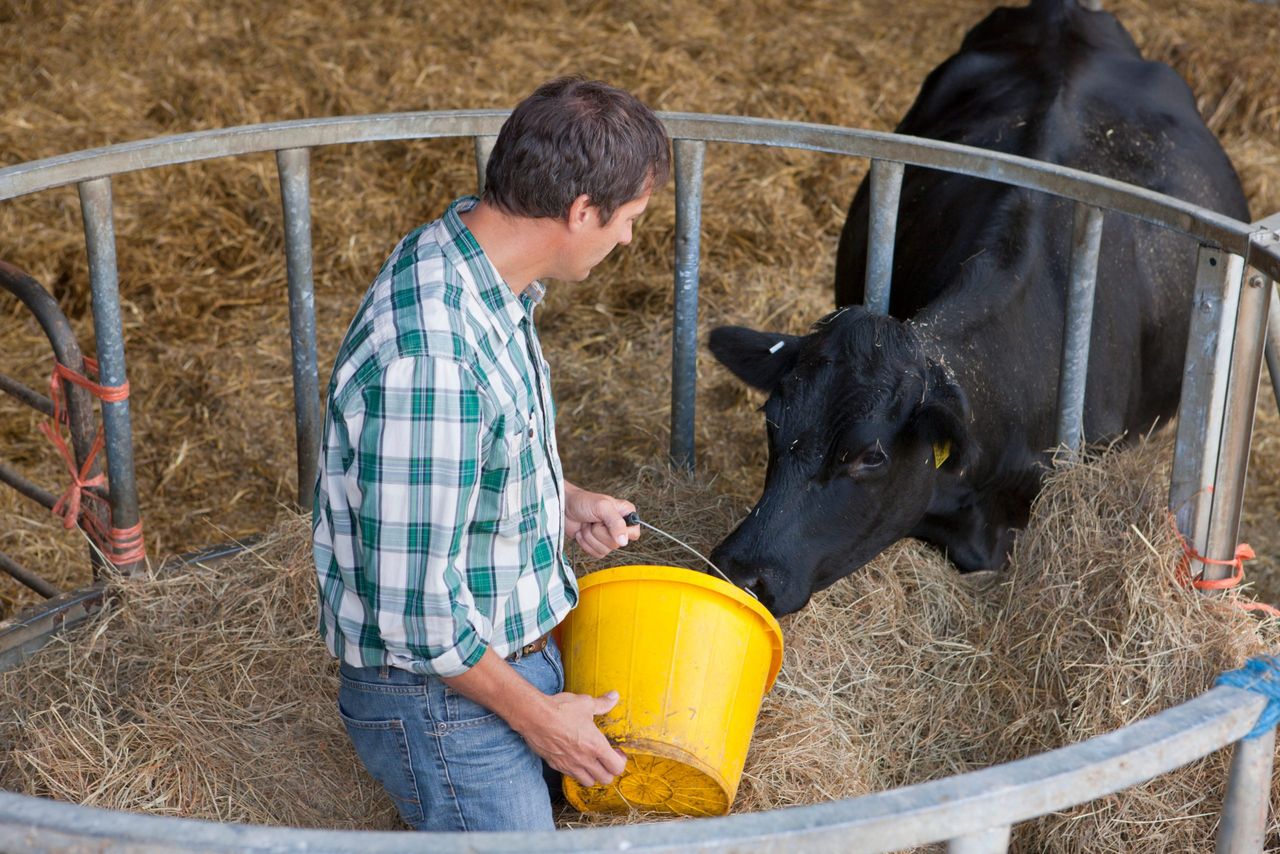
Hay acts as a low cost buffer feed that is very palatable and high in fibre which provides a filling effect.
Silage bales have an average dry matter weight of 220kg/bale. Assuming a value of €55/bale delivered for good quality silage, this means €1 of silage from a bale is worth 4.4kg DM of silage. (220kg ÷€55=4.4kg DM)