Farmers advised to act soon to secure straw supplies

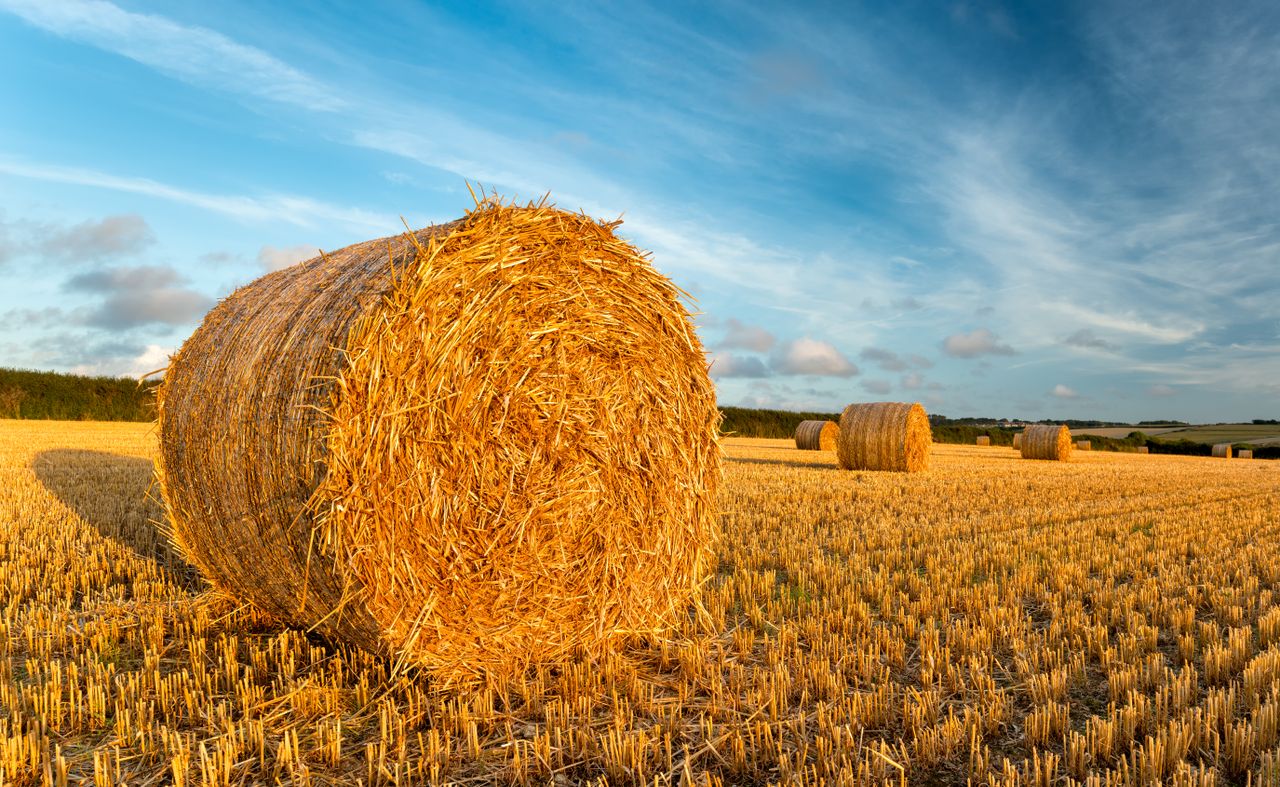
Teagasc has advised farmers to secure straw supplies amid a reported increase in demand in the south-east.
The National Fodder and Food Security Committee (NFFSC) today (Friday, August 21) heard of the significant difficulties caused by drought on the tillage and horticulture sectors.
This included impacts on crop performance, yields and production costs.
Straw
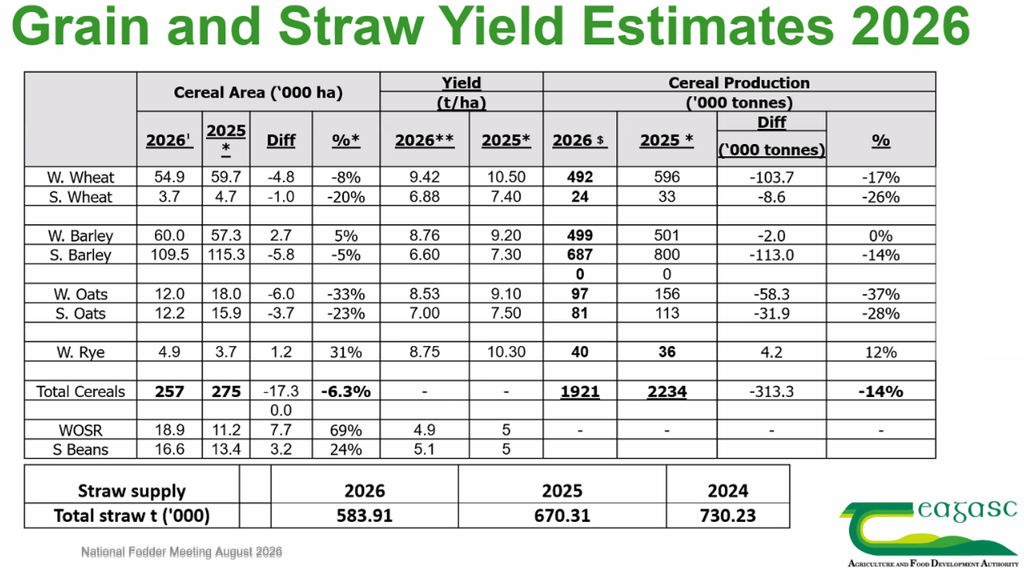
Teagasc crops and potato specialist, Shay Phelan told the meeting that straw yields are low this year, at about 80-90% of normal, which is likely to increase the price.
In 2024, the Baling Assistance Scheme, introduced by then agriculture minister Charlie McConalogue to encourage more tillage farmers to bale straw, boosted supplies to around 730,000 tonnes.
However, this year estimates suggest there will be around 580,000 to 600,000 tonnes of straw.
Phelan noted that figure may change as tillage farmers may decide to take more straw out of the Straw Incorporation Measure (SIM) and bale it for livestock farmers.
He said that in the south-east where a lot of straw is generally traded, "fields have been cleared of straw rapidly in the last few weeks".
"Anybody who generally would start buying up straw in September after the harvest, they're going to come to the market very, very late.
"So for any of your members out there who are in the market for straw, they need to get on the phone relatively quickly to secure those supplies."
The meeting heard the cereal harvest is now approximately 90% complete, but the north-west is struggling due to impact of high rainfall.
Phelan said that yields overall are "slightly disappointing".
Current estimates showing the 2026 total harvest will be around 1.9 million tonnes, which is down 14% or over 300,000 tonnes on the previous year.
The country's total cereals area is forecast to be down by some 6.3% to 257,000ha.
The quality of the harvest is variable, which Phelan said may provide a small benefit as some crops are diverted to the feed market.
The meeting heard that autumn drilling of oilseed rape and catch crops has been delayed in areas impacted by the dry weather.
As a result, catch crops may not provide a solution like they did in the drought of 2018.
Fodder crops
The meeting heard that soil moisture deficits in the east and south-east are approaching 100mm.
Showers in recent days have not had any impact on soil moisture deficits, which is drastically affecting fodder crops.
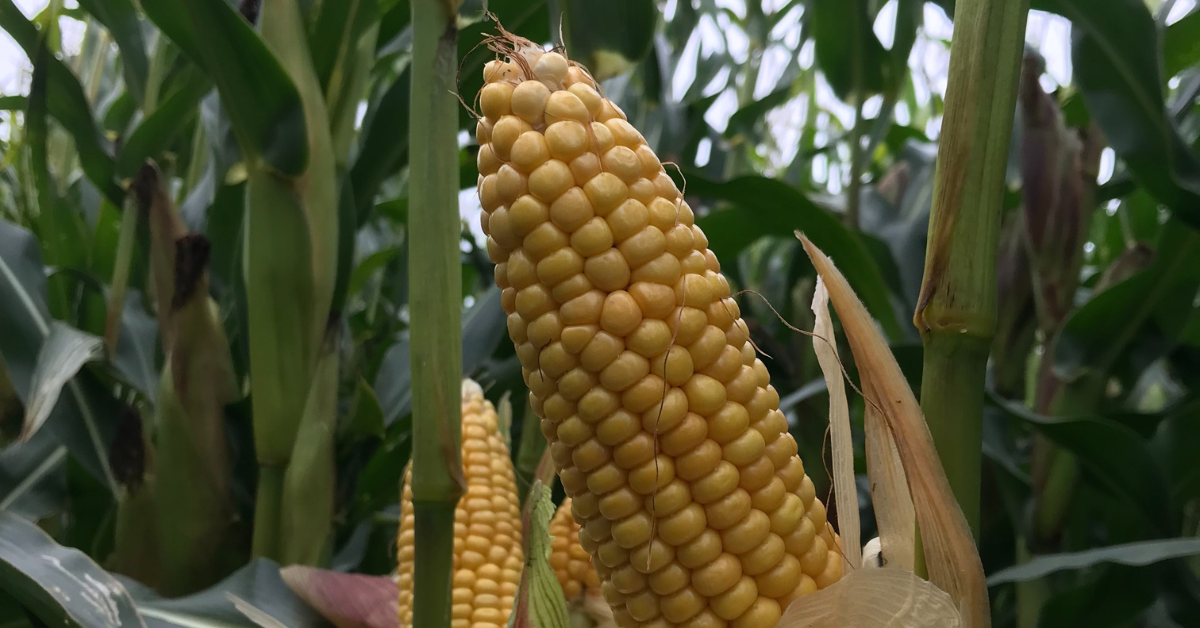
Phelan said many growers have voiced concerns over reduced yields of maize and beet.
Last year, beet had been reaching 100 tonnes per hectare on some farms.
"We're not going to be anywhere near that this year. We're probably somewhere in the region of 70 tonnes a hectare on some of those farms in those affected areas," he said.
While beet crops may be left grow longer into the autumn to increase yields, poor leaves on crops may result in increased losses with leaf pulling harvesters.
Potatoes
Phelan said the drought conditions are also having a huge impact on potato and vegetable farms.
Access to a reliable source of water is becoming a serious issue on some farms as rivers and boreholes are drying up.
Crops that have not been irrigated in the last couple of weeks will struggle to make market specifications.
Dry matters are also very high in potatoes which may result in increased losses at harvest.
Meanwhile, in relation to current feed deficits on some livestock farms, Phelan suggested that oat and rye currently in store could be used and included in ration formulations.