Govt urged to permanently scrap excise duties on fuel

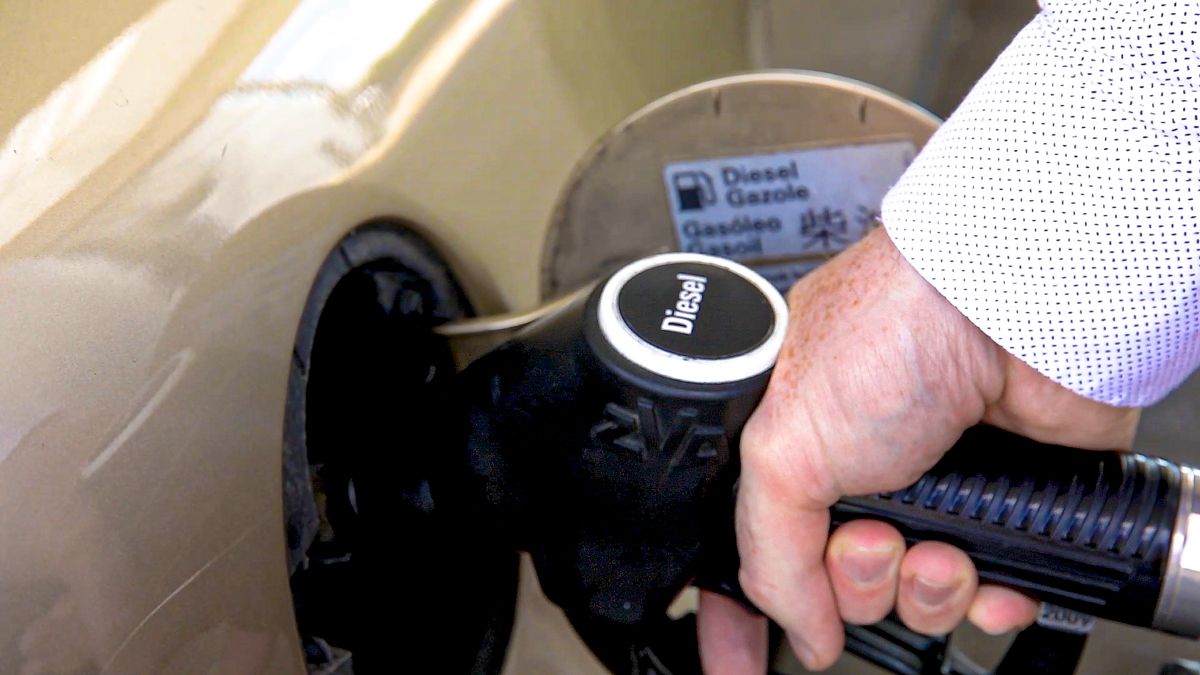
Independent TD for Offaly, Carol Nolan, has said that the government’s decision not to proceed with the planned September 1 fuel excise increases represents “a clear and unavoidable admission that its approach to fuel taxation was driving the country toward a crisis”.
In June, the government announced an extension of the temporary reductions to fuel excise and the National Oil Reserves Agency Levy (NORA).
The measures resulted in an excise duty cut of 27c/L on petrol and 32c/L on diesel.
The government had planned to restore rates to pre-reduction levels, starting from September 1 but today it confirmed it will not now do so.
Deputy Nolan said that while the government is preparing to recall the Dáil next week to give effect to the delay, the move also shows that ministers were “on the brink of making a disastrous mistake that would have pushed workers, families and rural communities past breaking point".
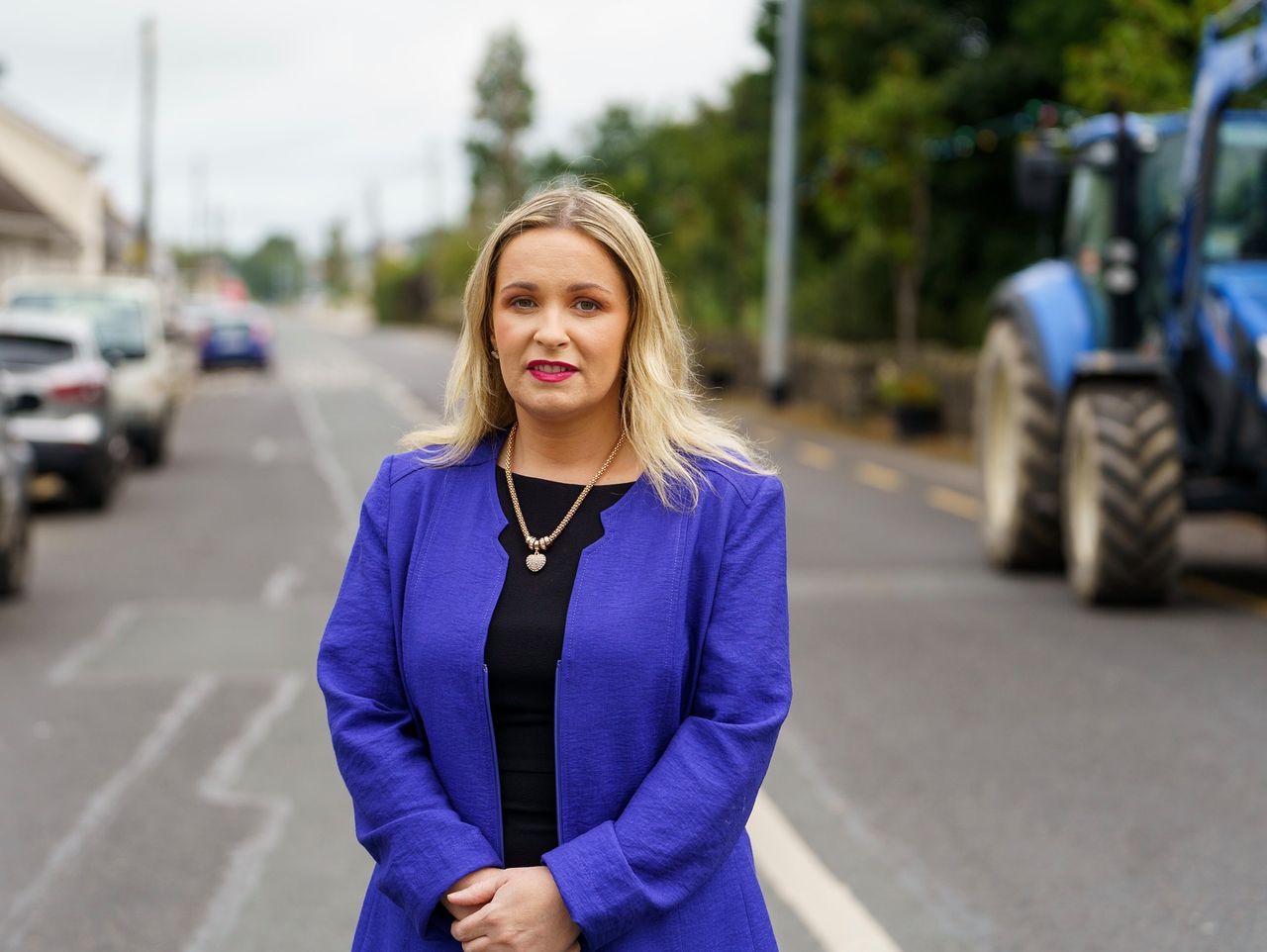
“I had been warning that the government can have excise revenue or it can have industrial peace. It cannot have both," she said.
"The fact that the government has now agreed not to increase excise on September 1 proves that rural contractors, hauliers, farmers and ordinary families were telling the truth about the scale of pressure they are under.”
The independent TD claims that the government’s shift only occurred because the consequences of its own policy became “impossible to ignore” with diesel is averaging €1.92/L and petrol €1.84/L, and prices rising sharply in recent weeks.
She said the idea that the government was prepared to add 9c/L to petrol and 10c/L to diesel next week followed by further increases in October, November and December was “reckless and utterly detached from reality”.
“Government insiders knew the political and economic fallout would be severe and that is why the decision to halt the increase was only taken under intense pressure," Nolan claimed.
Fuel costs
The Offaly TD said the impact of rising fuel costs is already being felt across every sector with rural workers struggling to afford basic travel; agri‑contractors operating on razor‑thin margins; and hauliers warning that any further increase would trigger immediate protest action.
“The recall of the Dáil must now be used to scrap the excise increases entirely, not simply postpone them until later in the year," she said.
“A delay is not a solution. People need certainty that these increases will not be revived in October, November or December.
"If [the] government attempts to reintroduce them, it will reignite the same anger that brought parts of the country to a standstill in April.”
More political reaction
Meanwhile, Fianna Fáil MEP for the Midlands North West, Barry Cowen has claimed that some people may rush to claim credit for the decision by the government to not restore the fuel excise duty from September 1.
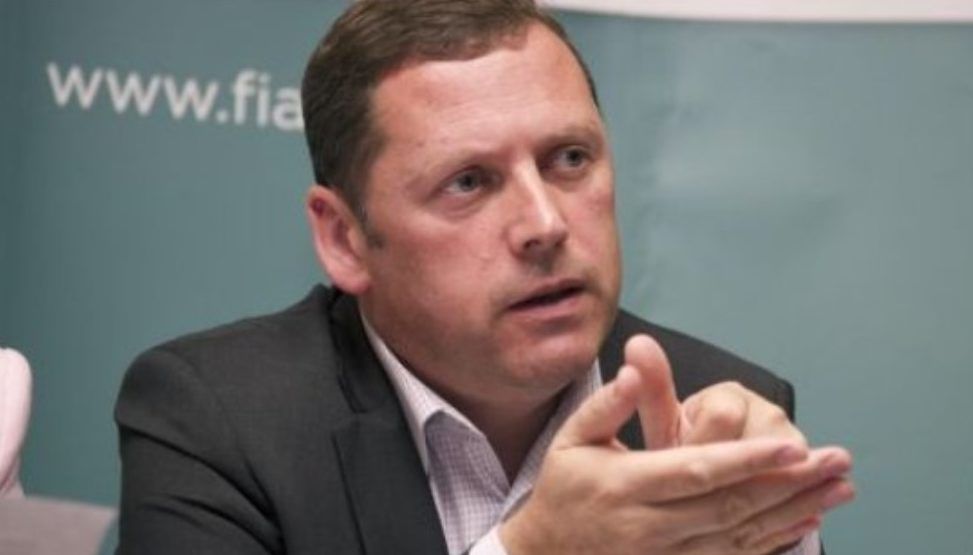
"There’ll be some rushing to claim credit for ‘forcing’ this outcome, but the reality couldn’t be more different," the MEP said.
"Good government means listening to people, responding to concerns and being willing to adapt when circumstances demand it.
"That’s what has happened here. Credit where it’s due."