Watch: ‘We need to move now’ and act before fodder survey results
The fodder deficit is widening and according to the president of the Irish Creamery Milk Suppliers' Association (ICMSA) Ireland cannot afford to wait for survey results before acting.
According to Denis Drennan the shortage is expected to worsen over the next four to six weeks and he says the focus now must be on growing as much additional fodder as possible in Ireland over the next two months to help bridge the gap.
A meeting of the National Fodder and Food Security Committee (NFFSC) is taking place today Friday (August 21).
The Minister for Agriculture, Food and the Marine Martin Heydon has urged all farmers to complete a fodder budget.
Drennan told Agriland that while he understands that it is important to know how much fodder there is in the country and also where the current deficit is sitting, he believes it is crucial to "start moving" on the issue.
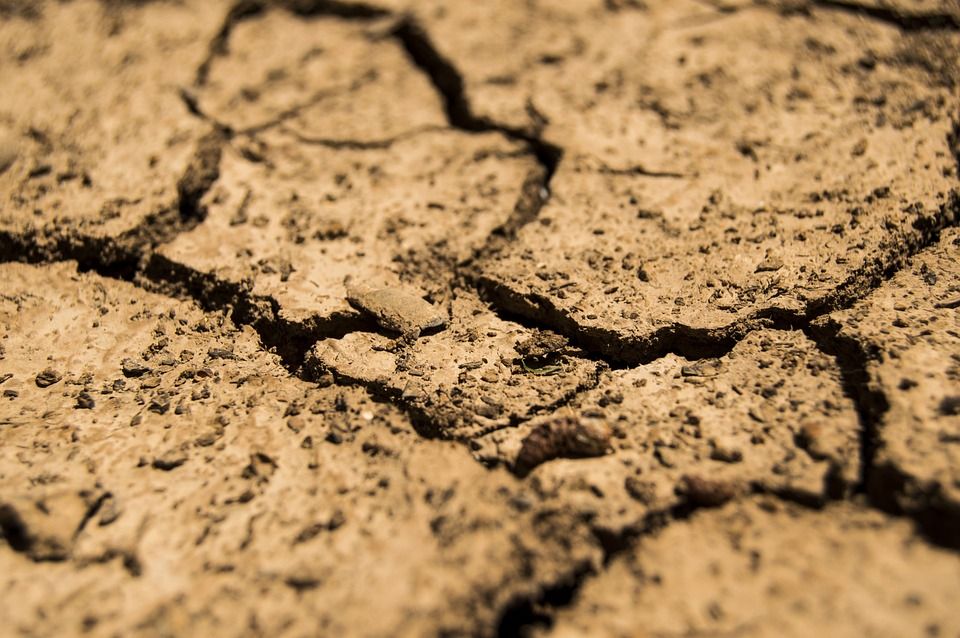
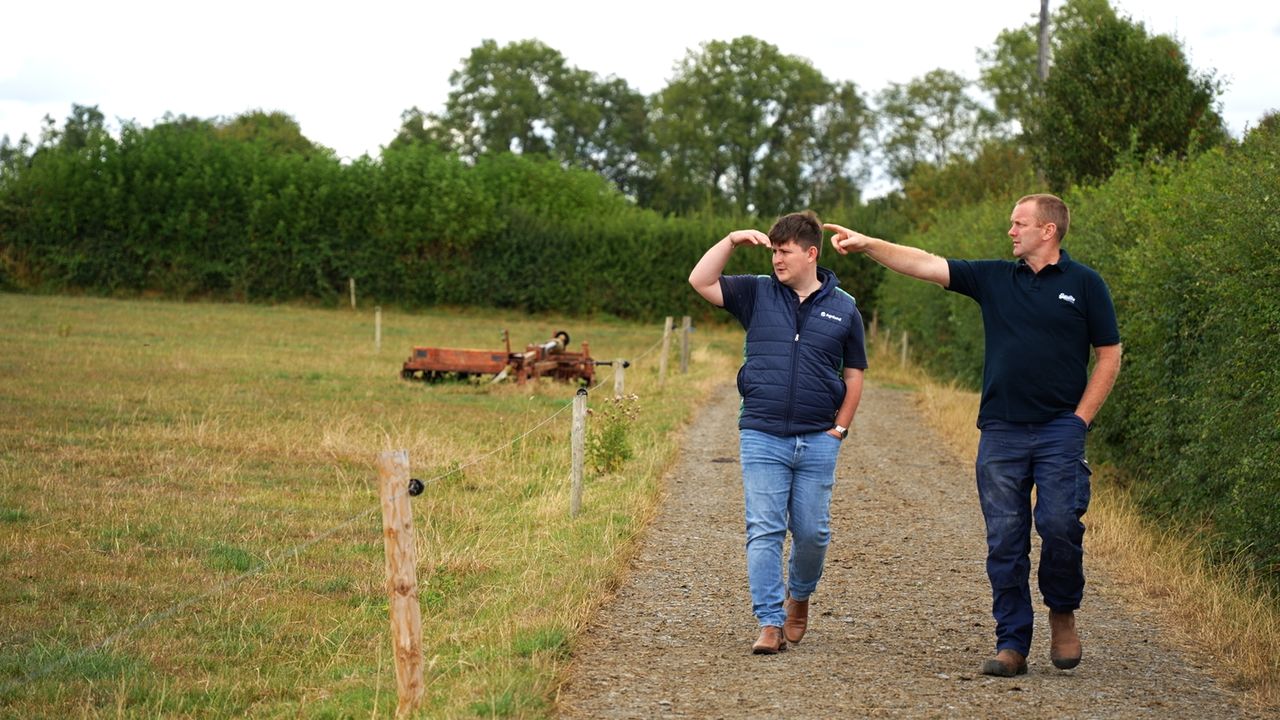
Speaking on his farm - where the "last meaningful rainfall" was on June 19, - Drennan said it was going to "take lot of rain" for his farm to recover and and that there is likely to be "no significant rainfall for the foreseeable future".
He said grass measurement has stopped on the farm because "there's nothing to measure".
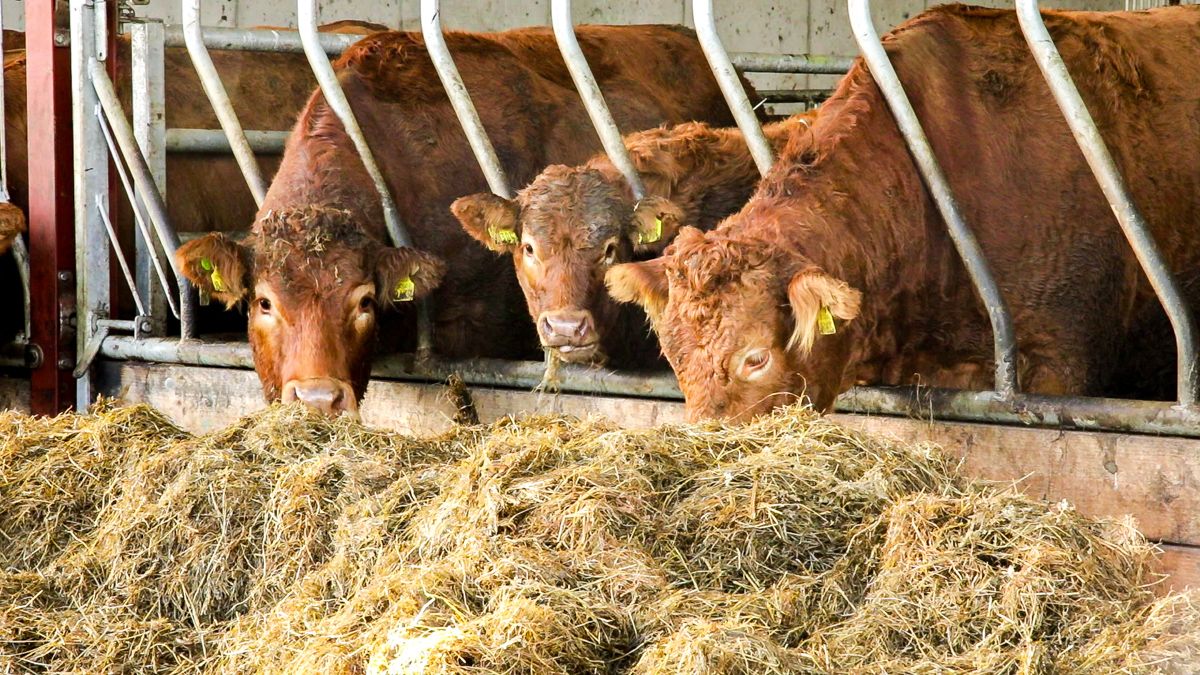
"We're on a full winter diet here, we're on 12 kilos of silage and eight kilos of meal and just trying to keep cows happy and full and keep them milking.
"Hopefully if grass come, we haven't dropped the yield too much, and it is worth continuing to milk them on for the rest of the season.
"You know, there's a good bit of milk to be got out of them still, but it's coming at a huge cost," he said.
Drennan is all too aware that where he farms in Co. Kilkenny, there are droughts on a regular basis - as he says the area is on "limestock rock".
But like other farmers he has tried to work and plan around that.
"I've tried to focus on having a cow here that will respond to concentrate feeding because, last summer I started feeding silage on three occasions, there was mini droughts, but this is completely unforeseen.
"We're two months into it here. There's no sign of any recovery.
"We're feeding a full winter diet probably here for the last six weeks and even if it rains tomorrow, we're going to be feeding a full winter diet probably pretty much for the next four to six weeks, depending on how way growth comes," he added.
Costs crisis
According to the ICMSA president the fodder crisis could not have come at a worst time for dairy farmers.
"It's probably a triple whammy - milk price is not in a good place, this time last year at 50c/L, now we're at 38, 39.
"The costs on farmers are astronomical. Feed costs are reasonably okay, I suppose, but the volume of feed going in is crazy.
"Fertiliser has gone through the roof, obviously, we're not supporting fertiliser. Diesel is still more than 50% more expensive than it was this time last year.
"Labour is expensive. Everything has just gone, energy is going through the roof as well. It's a real high cost year, there's low milk price and then volumes are also being hit and constituents are being hit. We should have cows eating probably 17, 18 kilos of grass and a small bit of meal this time of the year. Instead of that, there's zero growth of grass.
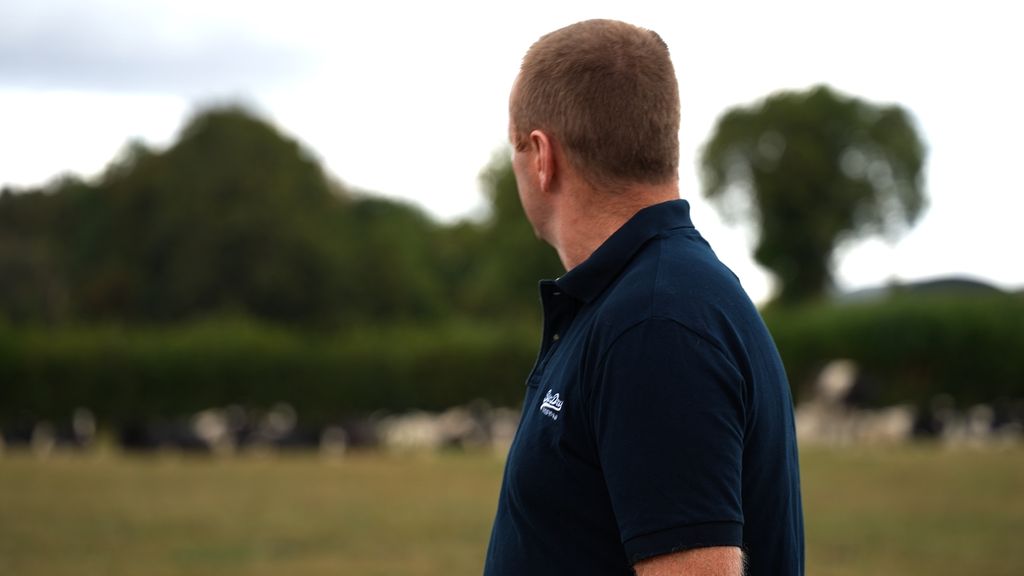
Drennan readily acknowledges that some farmers may not have any issues with fodder supplies at the moment but at the same time he said the ICMSA is getting a significant number of calls farmers who are deeply concerned about their fodder situation.
"There is some surplus fodder in the western half of the country, probably the far western half of the country, but we're getting calls from anywhere from west Cork up into all of Tipperary, parts of Clare, even east Clare, where it's limestone land, all up along east of the Shannon and up as far as Cavan.
"So, there's a huge swathe of the country that's in deficit at the moment.
"There is a little bit probably west of the Shannon and in Kerry. We probably need to look at, can we get some sort of a transport subsidy to get that? We need to some help from the government to distribute whatever fodder is available in the country," he added.
Keeping fodder in the country
One key issue for the ICMSA president is that any available fodder should remain in Ireland and not be exported elsewhere.
"We have other countries coming in looking for it.
"I hear there's a lot of movement from Wexford across to the UK at the moment. We need to make sure that we maintain whatever we have in the country and distribute it as best we can and then we need to look at what can we grow between now and the end of the year," Drennan said.
He believes there should be an immediate focus now on growing alternatives to try and make up the fodder deficit.
"We need to look at every option possible and we need to move straightaway," the ICMSA president urged.
Additional reporting by Cathal O'Shea