Giving winter oilseed rape the best possible start

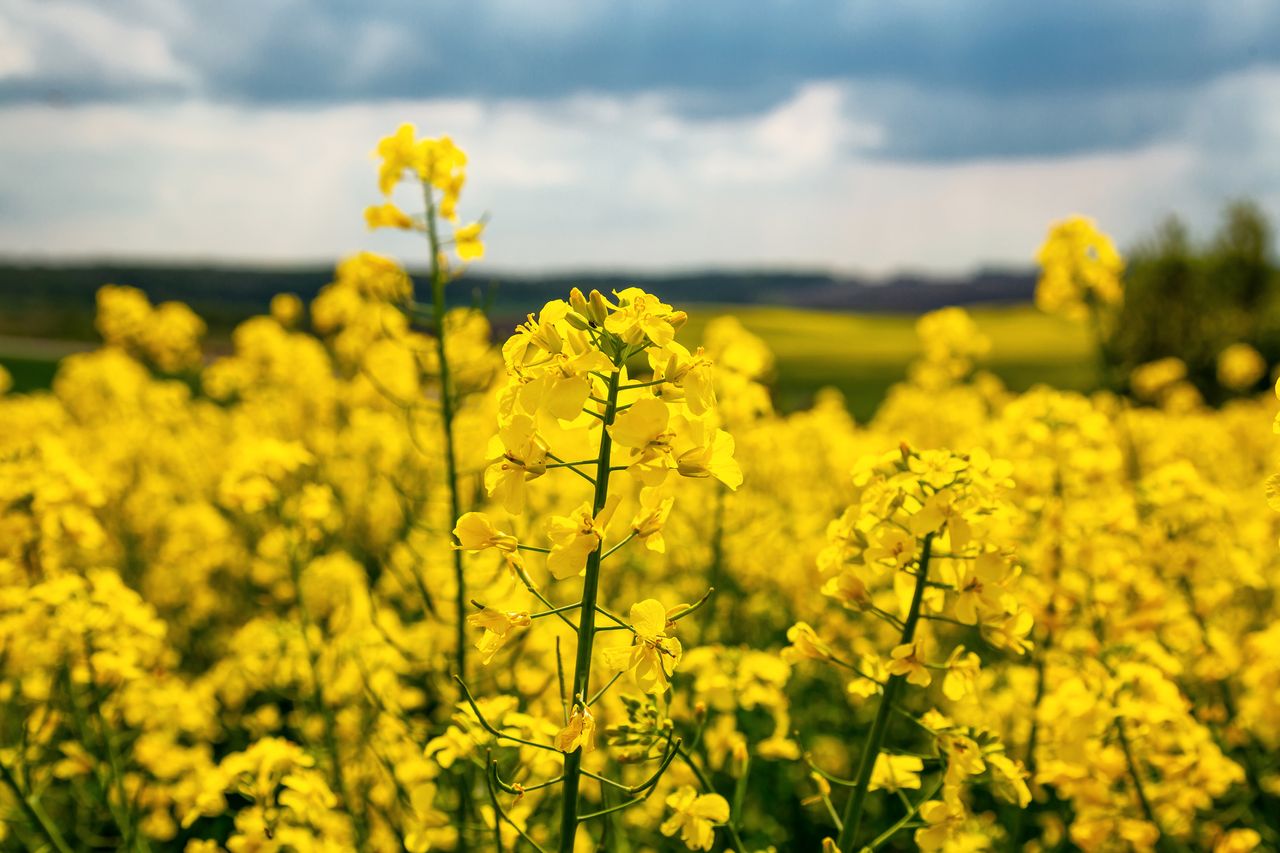
The return of the rain in many areas of the country will encourage tillage farmers to get on with the planting of winter oilseed rape (OSR).
Recent surveys have confirmed that the area dedicated to the crop in Ireland will continue to increase - at least in the near future
Many growers are now seeing the benefits of including OSR in the farm crop rotation they follow, as it is an ideal break from cereal rotations and a good entry for first wheats.
Other benefits include spreading the workload, soil structure improvement, and it can be used to control difficult grass weeds.
In addition, using Green Area Index tools, many growers have been able to reduce the amount of nitrogen (N) required to grow OSR crops.
This represents a significant cost saving, particularly at a time when all crop input costs remain exceptionally strong.
But early planting is essential for growing oilseed rape successfully.
August-drilled crops generally perform better than September-drilled ones.
Earlier planting may also make it easier to prevent pigeon grazing of large canopies, which in turn will reduce the amount of N needed.
Growing oilseed rape
The following tips are a useful guide when growing oilseed rape crops.
According to Teagasc, sowing of OSR crops should take place during August and into to early September.
Seed beds should be of a high quality - fine and firm. This factor is as important as is the sowing date.
The Department of Agriculture, Food and the Marine (DAFM) recommended winter oilseed rape list is the best source of information on the main varieties.
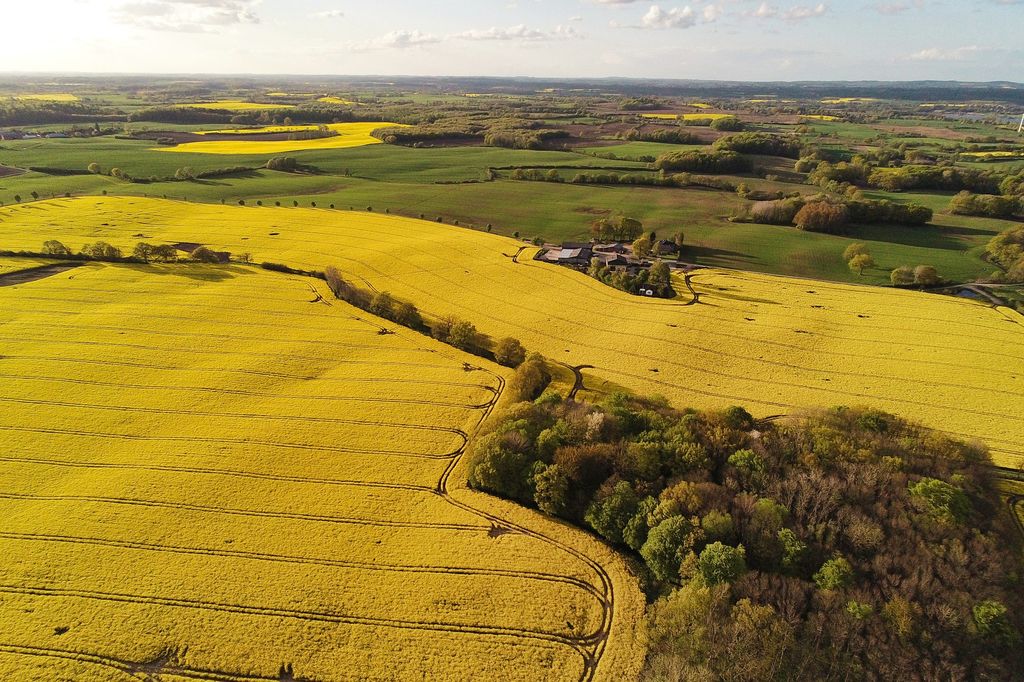
Conventional varieties or hybrids can be sown in August. However, come September, only hybrids should be sown out.
Growers should look for varieties with good traits. These include light leaf spot resistance and pod shatter resistance.
A planting rate of 60-80 seeds/m2 is recommended to establish 30-50 plants/m2 in the spring.
Varietal differences in vigour and thousand seed weight, along with seedbed condition and sowing date, must be accounted for.
Poor seedbed and late sowing will need higher (10%) seeding rates.
Weed control
Where weed control is concerned, field history is very important.
Volunteer cereals, cleavers and grass weeds are the main competitive weeds, and do most of their damage early in the crop’s growth.
As a consequence, growers should apply pre-emergence or early post-emergence herbicide treatments, if at all possible.
Clearfield varieties offer an opportunity to grow oilseed rape in fields where brassica weeds - such as charlock, hedge mustard, etc - are a problem.