AHDB launches new Barley Yellow Dwarf Virus management tool

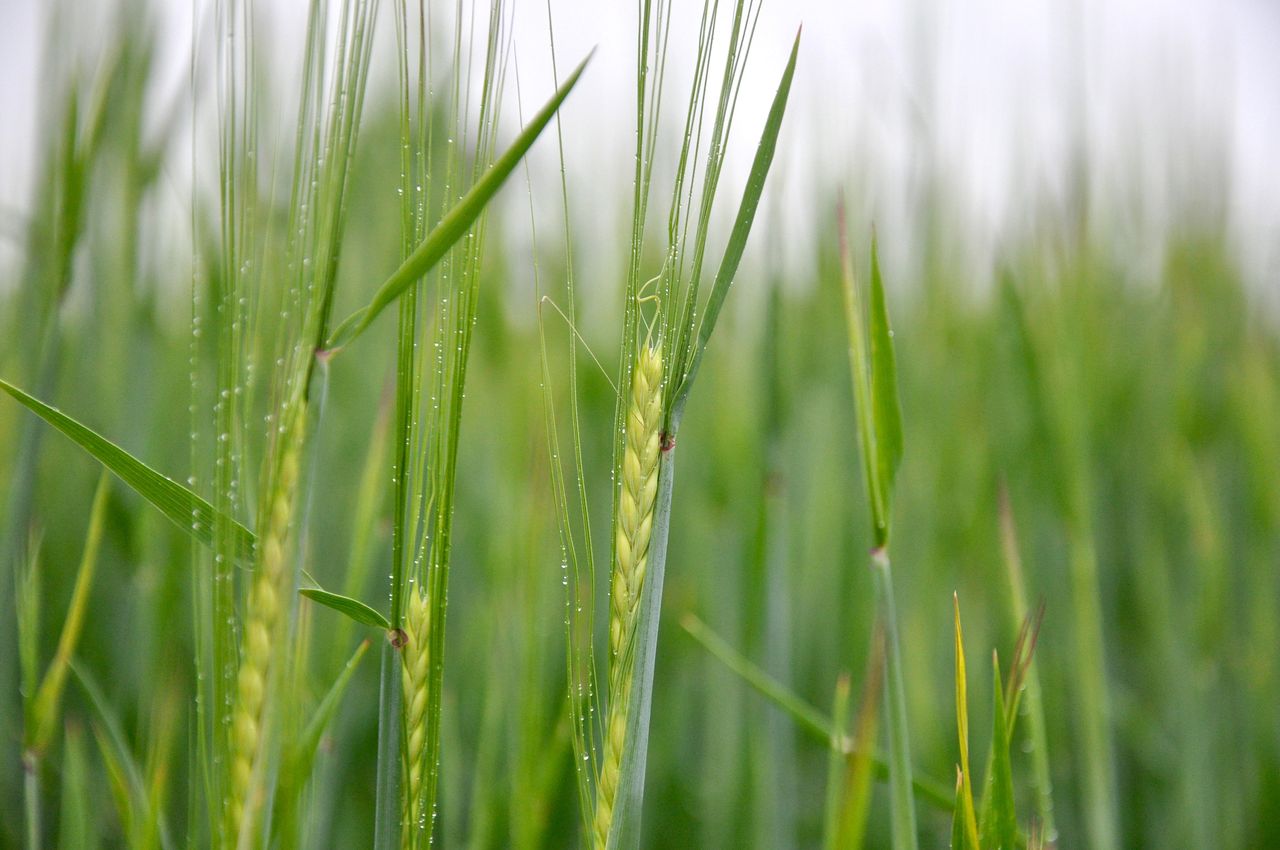
The Agricultural and Horticultural Development Board has launched a new tool to help reduce the impact of Barley Yellow Dwarf Virus (BYDV) in winter wheat and winter barley.
Based on decades of aphid biology science, virus epidemiology studies and computer modelling, the new tool considers many more risk factors than the previous T-sum temperature tool, which has been available for several years.
It also puts crop economics at its heart, so growers can make informed sowing-date and risk-based spray decisions.
The new tool is powered by a model trained on the bird cherry-oat aphid.
The insect is now known to be a significant BYDV vector, mainly due to the relatively high numbers that fly in the autumn.
BYDV tool
The BYDV tool considers a number of key factors. These include: local temperature data, the number of aphids and the proportion that carry the virus.
In addition, the new modelling also takes account of local risk factors, such as surrounding land use, and the relationship between infection and yield plus financial losses in susceptible varieties.
Aphid data for England and Wales will be provided by Rothamsted with the Agri-Food and Biosciences Institute (AFBI) playing a similar role in Northern Ireland.
To run an assessment, farmers need to supply the following information: field location; crop type, mergence or sowing date; and whether the field is exclusively surrounded by arable land.
In addition, the tool’s spray assessment shows when the next spray decision is needed.
Recommendations are based on the predicted economic threshold, which is when the cost associated with yield loss is likely to equal the treatment cost.
It predicts infection impacts for several weeks.
Predictions are strongest for autumn-applied sprays, especially the first spray.
The tool also indicates the urgency for particular decisions, including a ‘high urgency’ notification when a spray may need to be considered within a week.
According to AHDB, research shows that using the tool, alongside local knowledge, can reduce the number of insecticide applications and protect more yield, relative to the previous use of the T-sum tool, when BYDV is present.
BYDV has become an increasing challenge for tillage farmers.
Primarily, this reflects the fall-off in the number of insecticides that growers can use to control the problem.
Adding to the problem is the fact that the number of aphids carrying the virus has increased in recent years: particularly in the autumn period.