DAFM releases winter oilseed rape recommended list for 2027

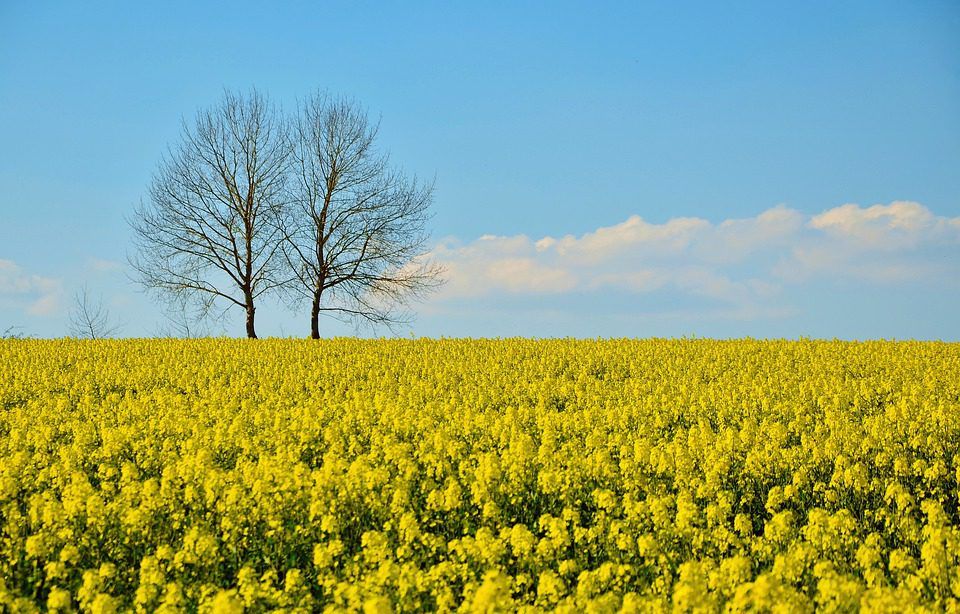
The Department of Agriculture, Food and the Marne (DAFM) has published the 2027 list of winter oilseed rape (WOSR) varieties.
It reflects the growing progress made by plant breeders to develop planting options with enhanced, in-built resistance to host of diseases and conditions that can impact directly on final crop performance.
DAFM has fully recommended four WOSR options for 2027 in tandem with one provisional recommendation. All are hybrid varieties
Ambassador is a good yielding variety with good early vigour. It has very good lodging resistance and good stem stiffness. It is late to flower and is early maturing. It has moderate light leaf spot resistance.
Aurelia is also a good yielding variety with good early vigour. It has very good lodging resistance and good stem stiffness. It is late to flower and is early to mature. It has good light leaf spot resistance.
LG Aviron is a high yielding variety with good early vigour. It has very good lodging resistance with good stem stiffness. It is late to flower and is very resistant to light leaf spot.
L G Auckland is a good yielding variety with good early vigour. It has very good lodging resistance with good stem stiffness. A moderately late flowering variety, it is very resistant to light leaf spot.
In addition, LG Armada has been provisionally recommended. A high yielding variety with good early vigour, it has very good lodging resistance with good stem stiffness. It is late to flower and is very resistant to light leaf spot.
WOSR
According to Goldcrop, WOSR is a crop which in recent years has quietly undergone massive genetic progress, and the increased reliability in the annual performance of the crop has been reflected in the huge increase in areas being sown, especially over the last two seasons.
As well as massive increases in seed yield potential (+30% in seven years), breeders have also successfully developed and introduced new genetic traits into WOSR varieties to improve their yield stability and reliability across varying seasons.
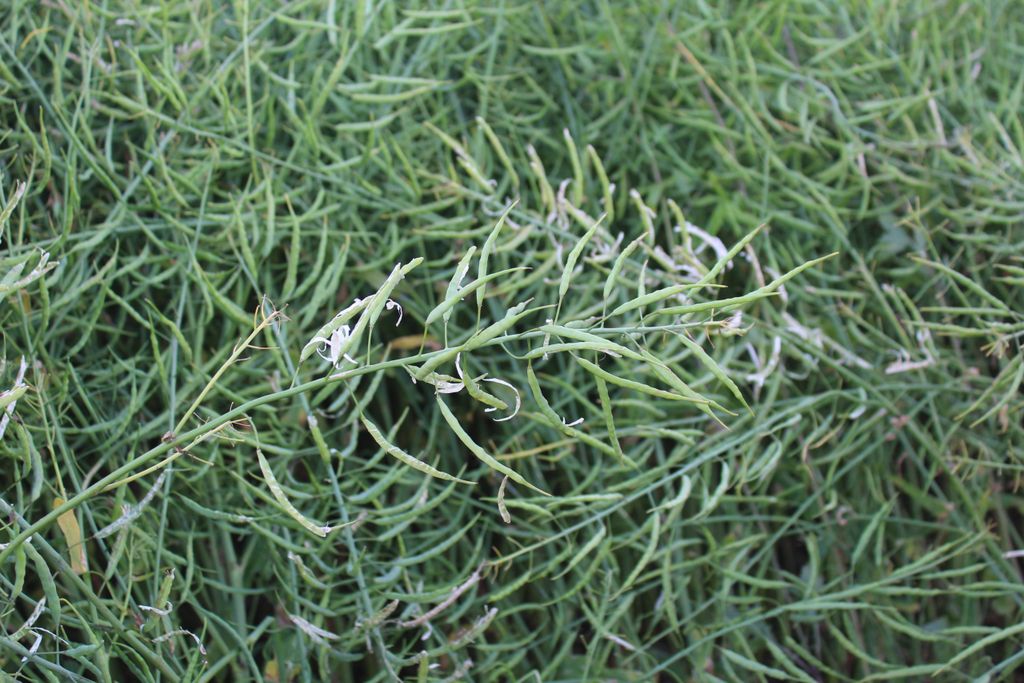
In addition, agronomic gains are being made in the areas of disease control, canopy management and nutrition.
Pod shatter resistance (POSH)
Pod shatter is a natural process which enables seed dispersion.
However, pod shatter in commercial WOSR crops can cause serious yield loss and creation of long-term volunteer issues in land.
The pod shatter resistance which was taken from Radish species and added to WOSR has made such varieties much more resilient under conditions of repeated wetting and drying.
Turnip yellows virus (TuYV) resistance
TuYV is a virus spread by the peach potato aphid. Infection can occur in autumn or spring and is very difficult to control with aphicides.
The virus can cause up to 30% yield loss and nothing can be done to alleviate it once infection has occurred.
TuYV resistance is now available in many commercial varieties and is a valuable trait from the point of view of giving yield stability across seasons, especially if sowing early.
Phoma resistance
Phoma or stem canker can be a very damaging disease in WOSR. Infection begins on the leaf in the form of a lesion (similar to a cigarette burn).
The infection can then spread towards the leaf petiole and in turn the main stem of the plant When it infects the stem, serious yield loss can occur through a restriction of fluid movement through the plant.
RLM7 is a specific gene which confers a very high degree of resistance to phoma/stem canker and acts as a very strong back up to fungicidal treatments.
In addition, breeders are now targeting the other major diseases of OSR, in particular light leaf spot (cylindrosporium) and verticillium - both of which typically will have adverse effects on stem health in the plant.
Having green and clean stems will ensure better pod fill, reduce lodging pressure and ultimately deliver higher yields.
There is also work being done on sclerotinia resistance in WOSR but realistically (at present) chemical control using fungicides is likely to give a better level of efficacy against this disease rather than relying on any claimed genetic resistance.
Clearfield (CL)
Clearfield WOSR varieties have been specifically bred to be resistant to the BASF herbicide Cleranda, Goldcrop has said.
This gives growers a very useful method to control weeds such as charlock, runch and hedge mustard, which would normally be difficult/ impossible to control in non-Clearfield WOSR.
All Clearfield varieties will carry the suffix CL in their title to help differentiate them from non-Clearfield hybrids.
Care must be taken with volunteers of Clearfield WOSR as these can require specific herbicide management in other crops such as cereals and smart beet.
Clubroot resistance
Clubroot is a soil-borne fungus that can remain viable in soils for many years.
It is encouraged by frequent growing of brassica crops in land and is favoured by wetter acidic soils.
Symptoms of clubroot include twisting and stunting of the roots and the formation of galls on the roots of the affected plant.
It is highly possible that the incidences of clubroot will increase if more cruciferous / brassica-type cover crops are being sown each year.
Clubroot resistant varieties of WOSR are now available that can allow growers to successfully grow the crop where this disease is a known risk.
According to Goldcrop, there is currently a significant ‘yield lag’ when using either Clearfield and clubroot resistant varieties (i.e. as compared to standard hybrid varieties), but further advancements in breeding technology are expected to close this gap.
N-Flex
N-Flex is a trait developed and used by Limagrain that increases the nitrogen use efficiency of WOSR varieties.
Where this trait is present, it gives the WOSR plant the ability to perform well even when fertiliser rates or timings are suboptimal, according to Goldcrop.
Limagrain advises that N-Flex should not be a reason to reduce N rates on WOSR but rather that it gives a level of reassurance should timely uptake of N be limited due to drought or other weather issues.
The Green Area Index should be used when calculating the total nitrogen requirements of a given WOSR crop.