Vital steps this June to ensure breeding success continues

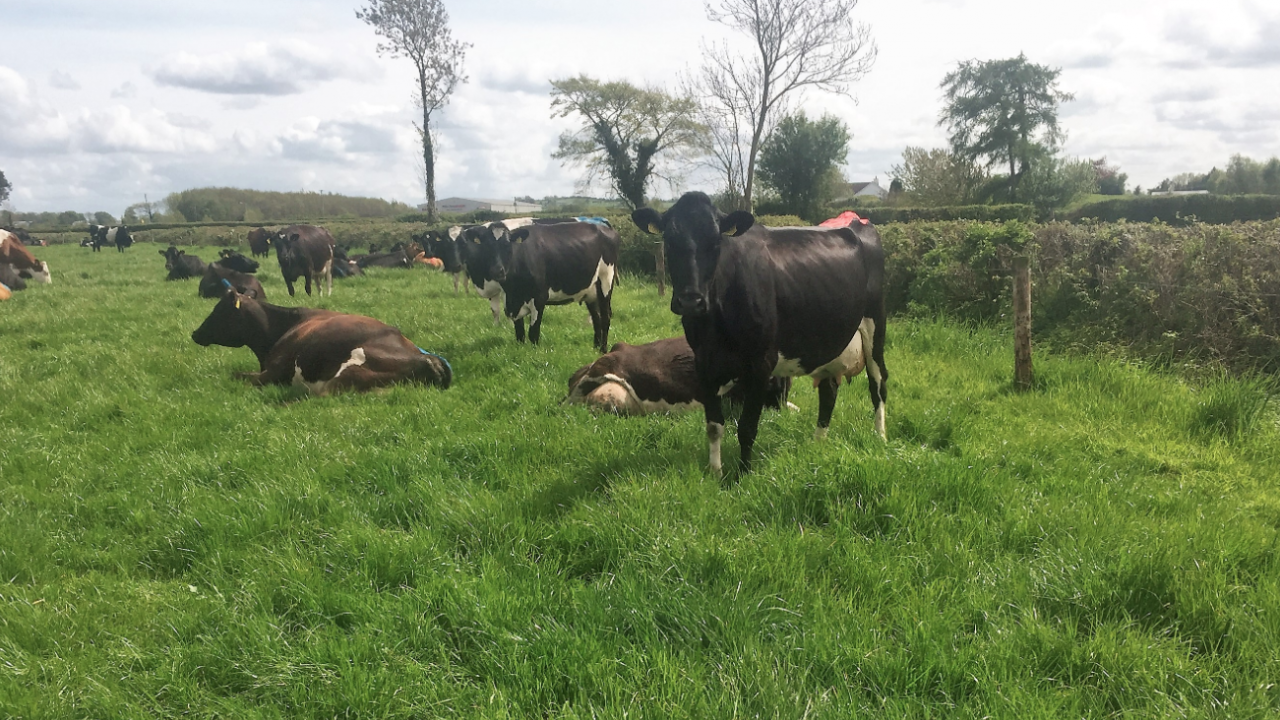
Many farmers have now completed the first three weeks of breeding and will look to begin serving repeating cows in the coming weeks.
In order to maximise results, keeping momentum will be key.
Stuart Childs, Teagasc dairy specialist, is advising farmers that the coming weeks will be crucial in maximising the number of calves born in March.
He recommended that all cows should be bred, with any not bred examined by the vet.
Farmers should avoid over-relying on bull power by taking out artificial insemination (AI) once the bulls are introduced to the herd.
Childs recommended continuing with AI until you reach:
- 10 empty cows per one young bull;
- 20-30 empty cows for a mature bull;
- One week after release, as bulls will have an adjustment period;
Childs also reminded farmers to remember to include cull cows in this calculation, as the bull will not differentiate between cows in heat.
If more than two cows are in heat at one time, AI is advised, as a bull may struggle to ensure serve rate.
Every three weeks of AI reduces the bull power required by half, according to the Teagasc dairy specialist.
It is recommended that many farmers AI for up to 9 weeks, as they may not have sufficient bull power to maintain breeding submission rates.
Teagasc research
Breeding success is crucial to increasing herd performance and profitability.
Teagasc advises that farmers hit a 90% six-week calving rate - the current national average is 68%.
Reducing breeding seasons while ensuring successful serve rates is also key.
According to Teagasc, maintaining a 365-day calving interval ensures calving season does not fall into the latter stages of April or into May. The national average is 394 days.
Teagasc studies indicate that if standard 94 cow dairy herd were to move from the average to 90% it would be worth an estimated €17,000 (based on 2024 figures).