Monitoring the stock bull during the breeding season

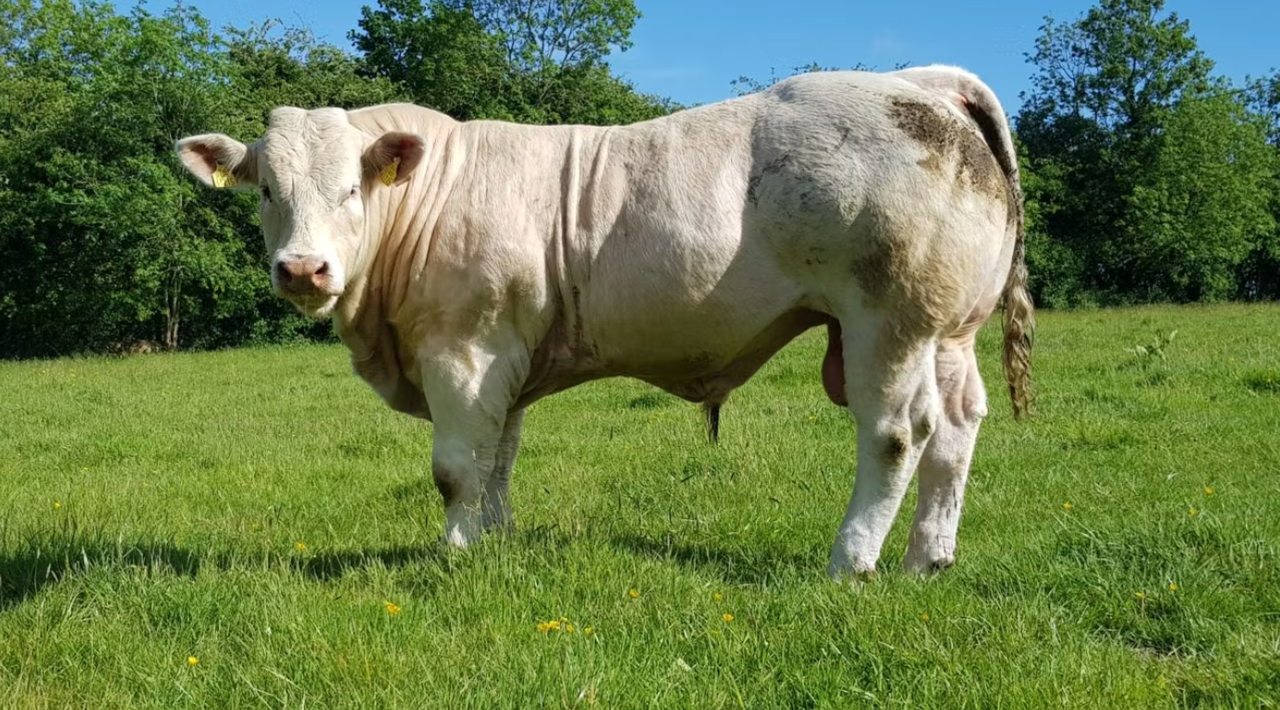
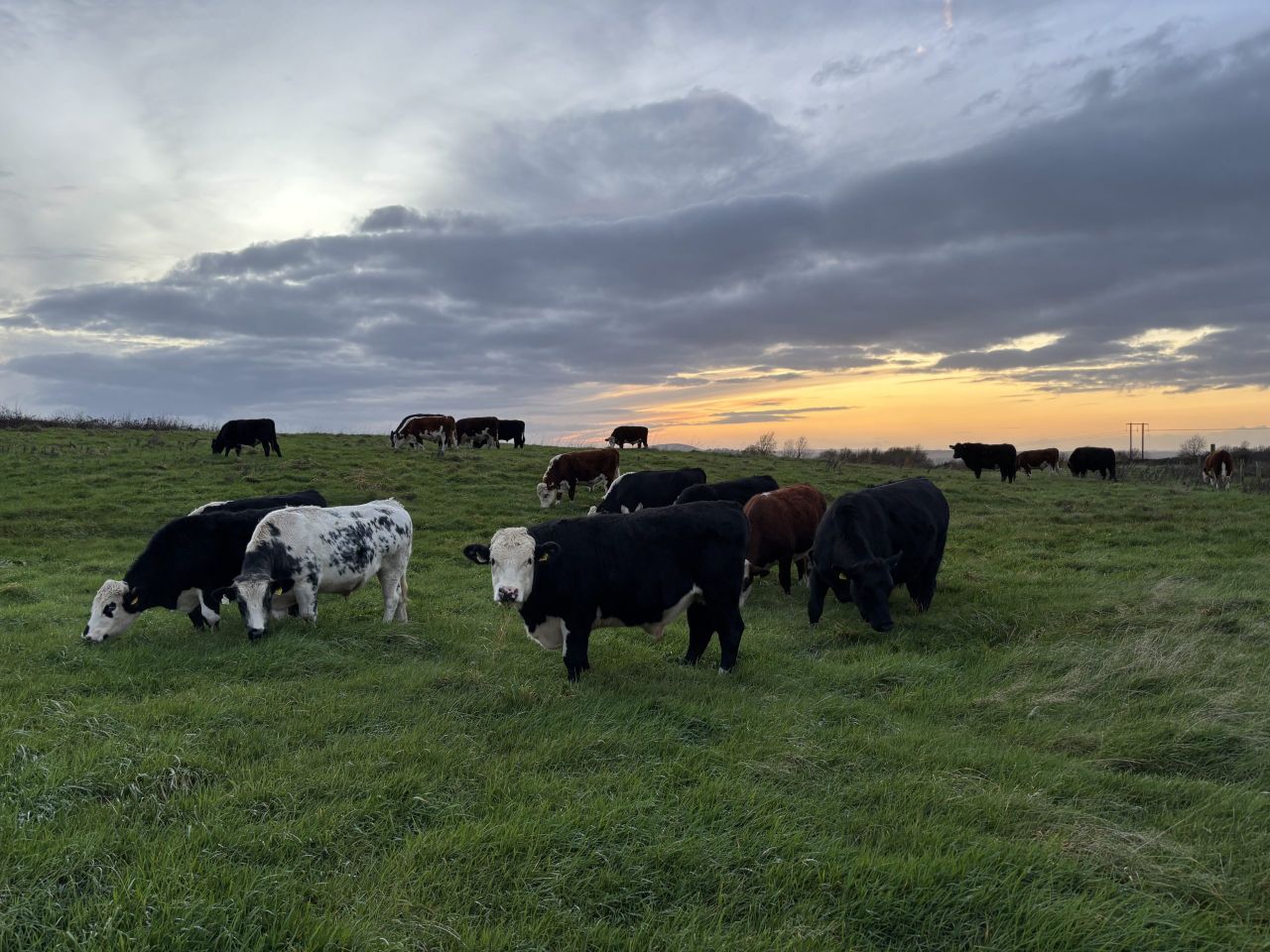
Ensuring the breeding season is progressing smoothly on suckler farms and that the stock bull is working effectively is the first step in getting set up for the spring 2027 calving season.
Profitable spring-calving suckler enterprises place a major focus on reproductive performance.
The goal on most suckler farms is to wean a calf from every cow every year but realising this target takes close attention to detail on a range of more specific breeding targets.
According to Teagasc, high-performing suckler herds keep the following targets in mind during the breeding season:
- A 365-day calving interval;
- 80% of cows calved within the first six weeks of the calving season;
- At least 0.95 calves weaned per cow put to the bull;
- Replacement heifers calving at 24 months-of-age;
- An empty rate below 5% at pregnancy scanning.
Wet weather conditions and high levels of rainfall will be making grassland management more challenging on suckler farms currently, particularly those on heavier soil types.
While considerable attention is often given to cow nutrition and body condition, the stock bull contributes 50% of the herd’s genetics and place a key role in ensuring the herd meets its breeding performance targets.
Research has shown that 20–25% of working bulls can be sub-fertile at any given time, according to Teagasc.
A sub-fertile stock bull may still get cows in calf, but often require multiple heat cycles to do so.
This can significantly reduce the six-week calving rate, extend calving intervals and increase the number of empty cows.
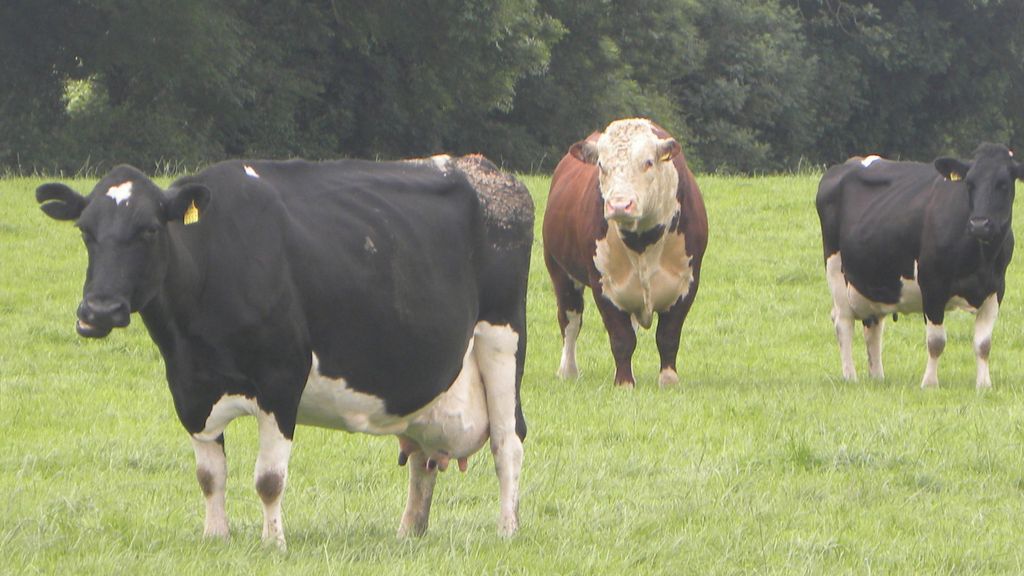
Importantly, a bull that was fertile last season, is not guaranteed be fertile this year.
Lameness, illness, injury or elevated body temperature can all negatively affect fertility therefore monitoring bull performance throughout the breeding season is essential.
The following is a guide to the number of cows one bull can manage:
- Young bulls (15–18 months): 15–20 cows;
- Mature bulls: 25–30 cows.
Excessive workloads can lead to fatigue, injury and reduced fertility in breeding bulls.
Once the bull goes out with the cows, farmers should spend time observing the bull to ensure cows are being served successfully.
Mounting activity alone does not guarantee successful mating and the key things to watch for include signs of stiffness, lameness or difficulty serving cows. These issues can quickly reduce breeding performance.
Heat detection
Heat detection tools provide valuable information on breeding activity and help identify problems early.
Chin-ball harnesses are particularly useful in outdoor suckler systems, while tail paint or scratch cards on cows can also be effective indicators that service has occurred.
Recording services also allows farmers to monitor breeding performance and identify cows returning to heat.
If more than 25–30% of served cows return to heat between 18-24 days later, this should be treated as a warning sign.
High repeat rates may indicate bull fertility issues and action should be taken immediately, either by introducing another bull or using AI.
The Teagasc advice is to remove the bull from the herd after 10-12 weeks.
Pregnancy scanning should be carried out six-eight weeks after bull removal.
This provides an accurate assessment of herd fertility, identifies empty cows early and allows culling decisions to be made in a timely manner.