River Glyde pollution findings expected in 'coming weeks'

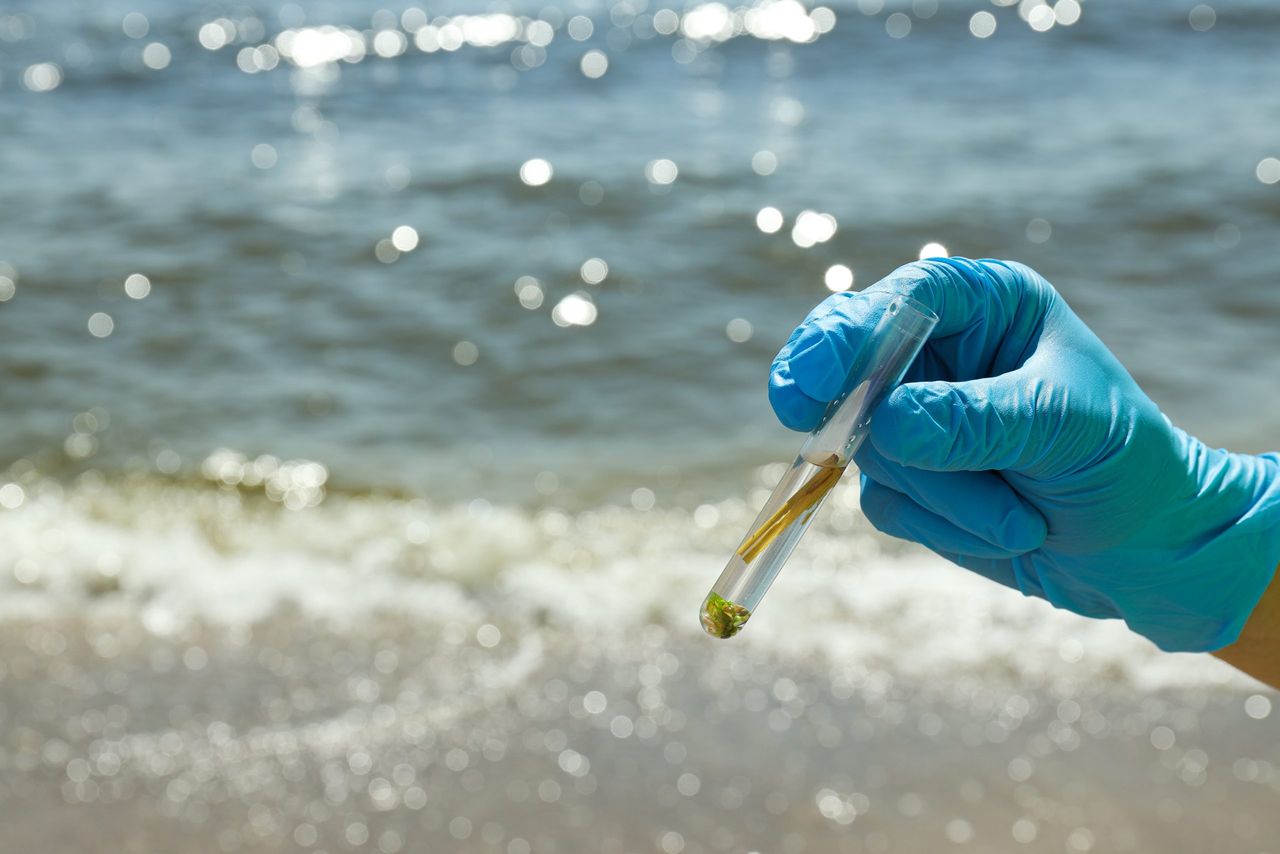
Inland Fisheries Ireland (IFI) expects analysis of water samples taken from a pollution discharge on the River Glyde to be available in the "coming weeks".
In the meantime IFI is continuing to investigate the "pollution discharge" on the river.
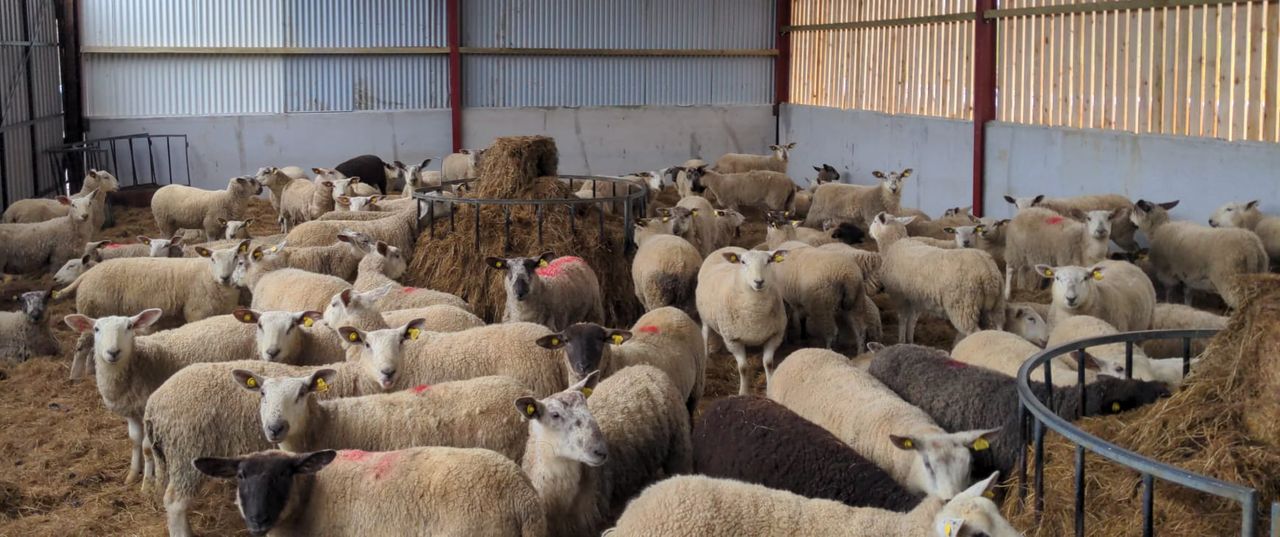
According to authorities the source of the pollution was identified as an "agricultural discharge" and was stopped.
Louth County Council had also monitored oxygen levels in the River Glyde and was satisfied that levels would return to normal.
However IFI estimates that more than 20,000 fish died along an approximately 25km stretch of the river between Aclint Bridge in Monaghan and Lynns Weir near Castlebellingham, County Louth.
A spokesperson for the agency told Agriland: "Staff have been working over the weekend, and will do so throughout this week, to assess and monitor the impact on the habitat.
"IFI will consider what further efforts are required at the River Glyde to rehabilitate the habitat for fish populations."
River Glyde
IFI has warned that "a file is now being prepared for potential prosecution" in relation to the serious fish kill on the River Glyde.
Minister of State at the Department of Climate, Energy and the Environment, Timmy Dooley, has warned that "every landowner, business and individual has a responsibility to ensure that their activities do not negatively impact water quality."
According to the IFI a conviction for causing pollution under both the Fisheries and Water Pollution Acts can result in (a) on summary conviction, a fine not exceeding €5,000, or imprisonment for a term not exceeding 3 months, or both.
It can also lead, on conviction on indictment, to a fine "not exceeding €15,000,000, or imprisonment for a term not exceeding 5 years, or both".
"Persons convicted of an offence are often liable for cost and expenses incurred during the investigations," IFI stated.