Sinn Féin: Irish agriculture ‘facing a crisis’ on multiple fronts

The government has been urged by Sinn Féin today (Friday, August 21) to step up supports for farmers who are battling drought in some parts of the country.
Sinn Féin spokesperson on Agriculture and Food, Martin Kenny, said Irish agriculture is "facing a real crisis on a number of fronts".
Kenny said farmers, particularly in the south and east, are struggling with very dry conditions and zero grass growth over recent months.
According to Met Éireann most soils are experiencing restrictions to growth with soil moisture deficits (SMDs) ranging between 25 and 9mm, highest in the southeast.
In its latest farming commentary the national meteorological service said: "In the far northwest, soils are saturated while some poorly drained soils are waterlogged.
"Over the coming week, more soils in the northwest will become saturated or waterlogged. Elsewhere, SMDs will likely decrease by between 5 and 25mm".
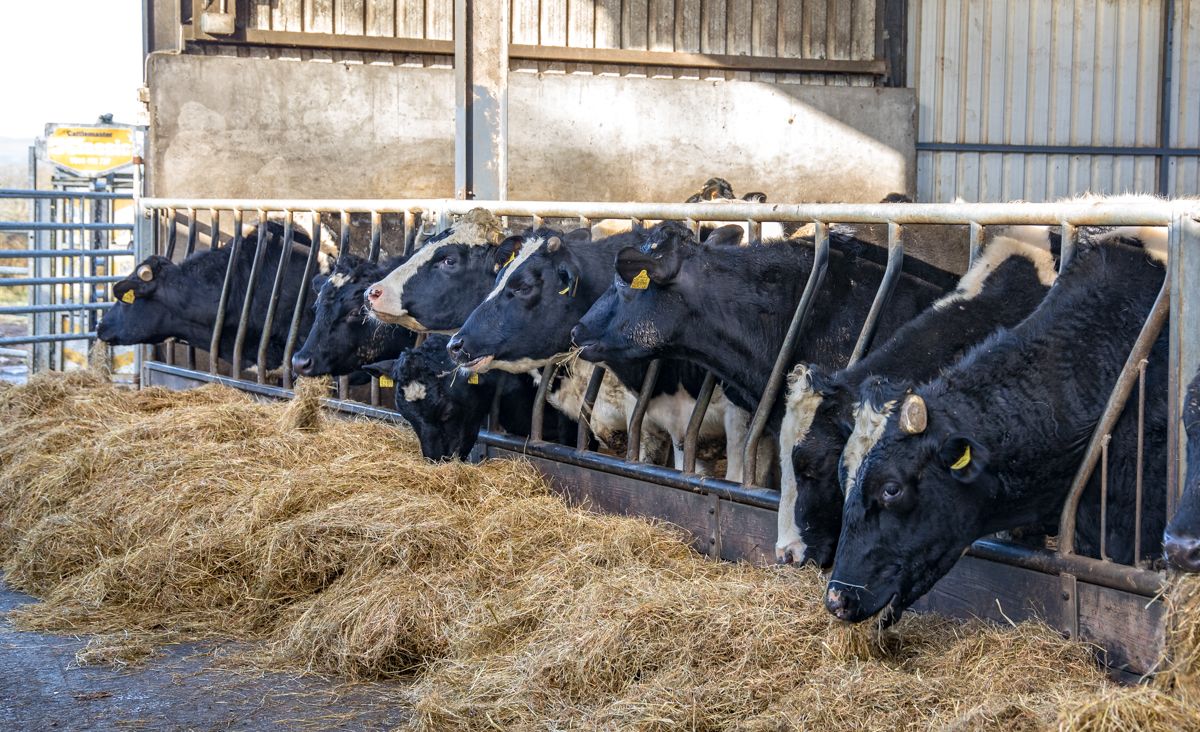
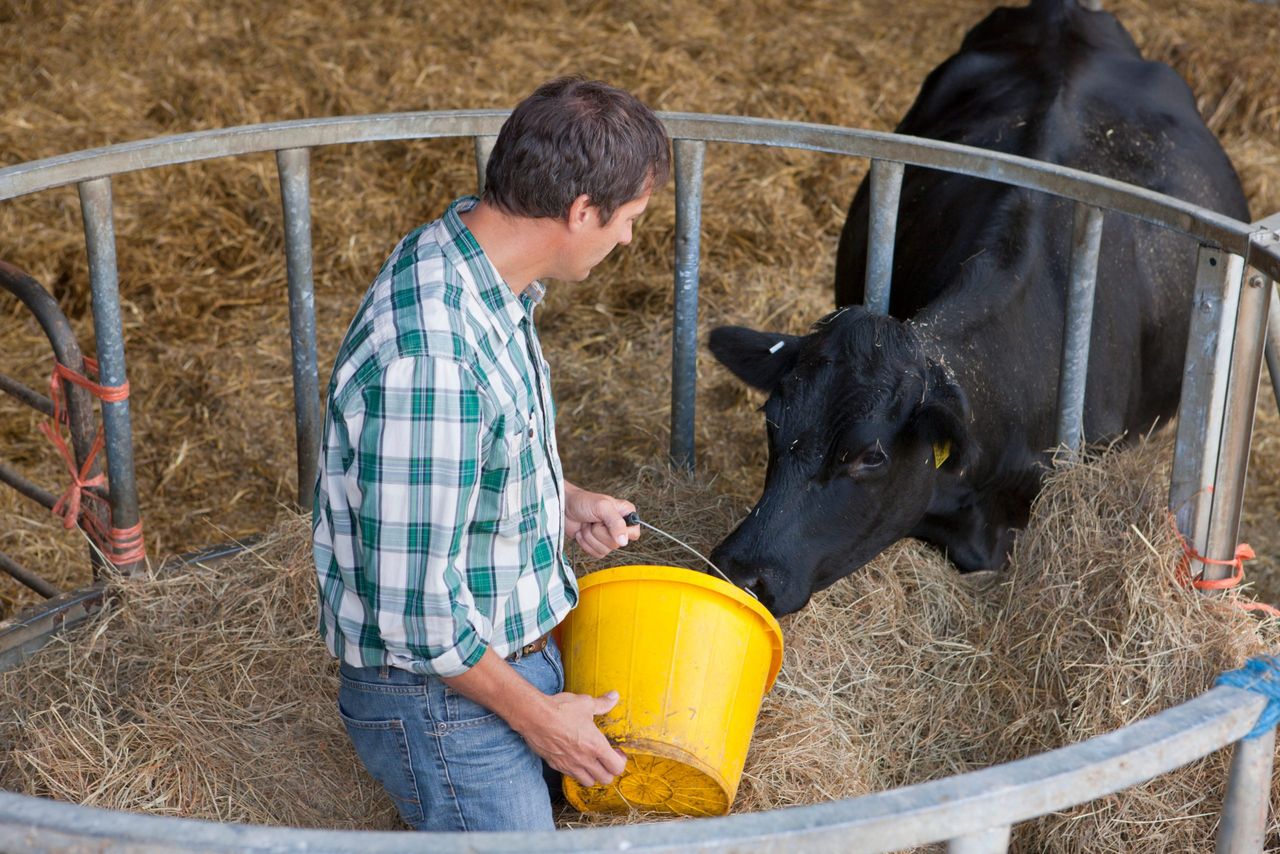
Deputy Kenny has highlighted that many dairy farmers are now feeding winter fodder.
"Milk yields from cows are down which means it is costing them more and they are getting less back in return.
“Tillage and horticulture farmers looking at poor harvests due to the prolonged dry weather, while at same time input costs are rising," he said.
Supports
The Sinn Féin spokesperson on Agriculture and Food said farmers need to "see a practical response from government - not just talk of monitoring the situation".
"Irish farmers need support, and the government has a responsibility to support the Irish sgricultural sector through this crisis.
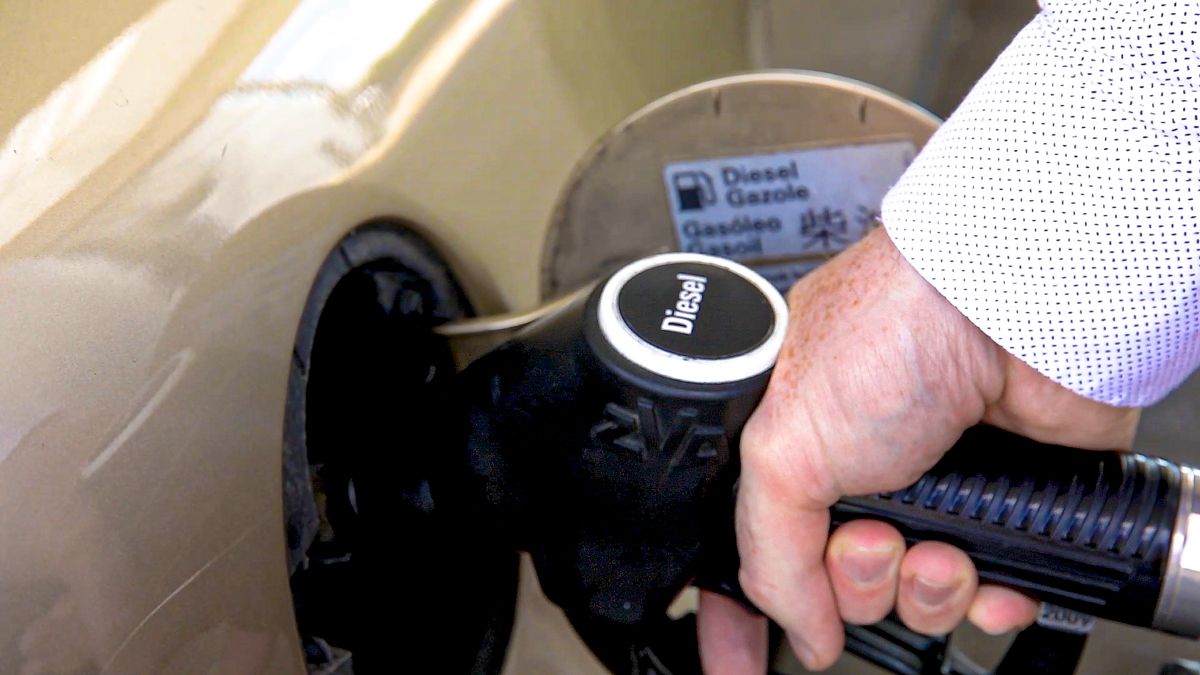
"We need a financial package to deal with the fodder crisis, to support the tillage and horticulture sector and to reduce the price of green diesel at the pump," he added.
Deputy Kenny also questioned why the government has not yet moved on an emergency fertiliser support package signed off by the European Commission in June.
Ireland has been allocated a €15.3 million share of the European Commission's proposed €540 million fertiliser support package.
Deputy Kenny said: “The government needs to draw down the €15.3 million from the EU’s emergency fertiliser support package and provide the co-financing for it."