How gene programmes can unlock financial potential of hill sheep

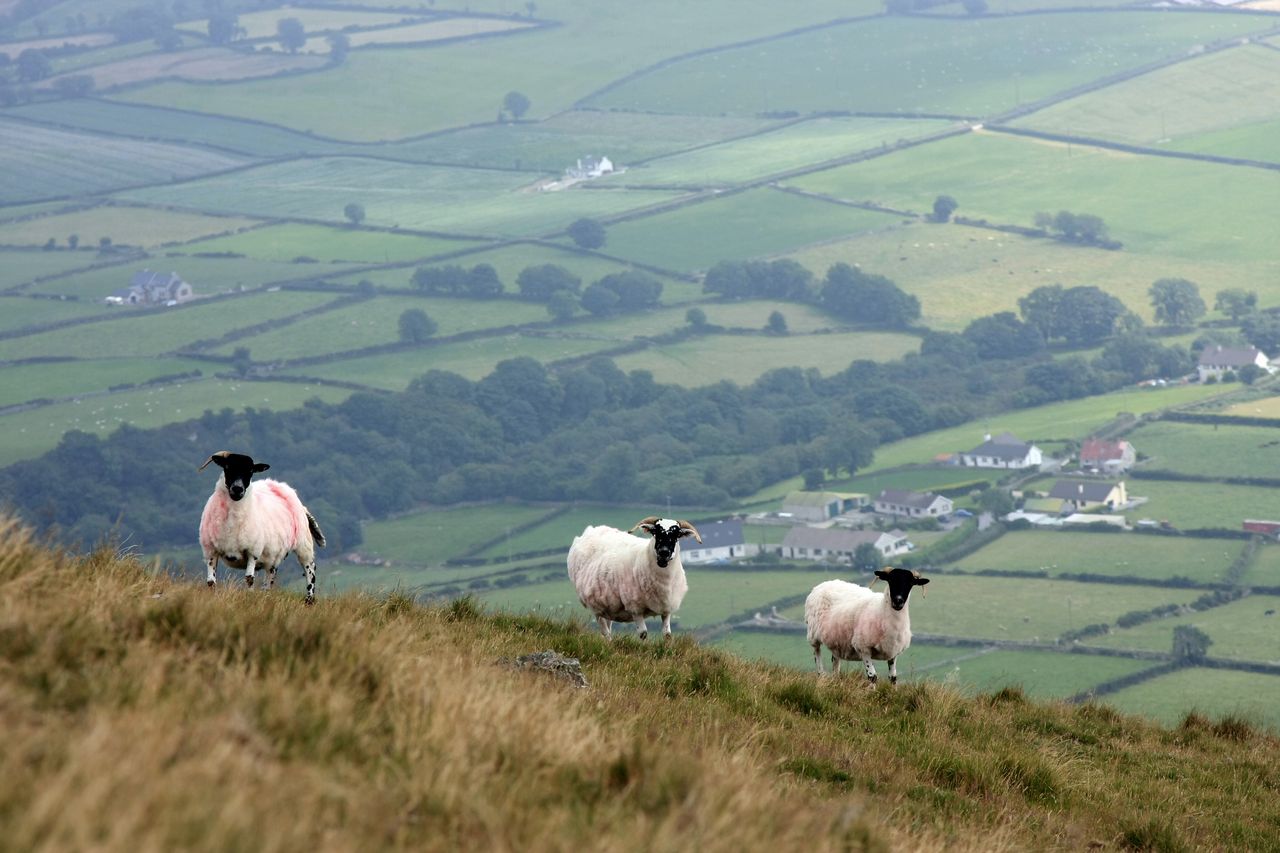
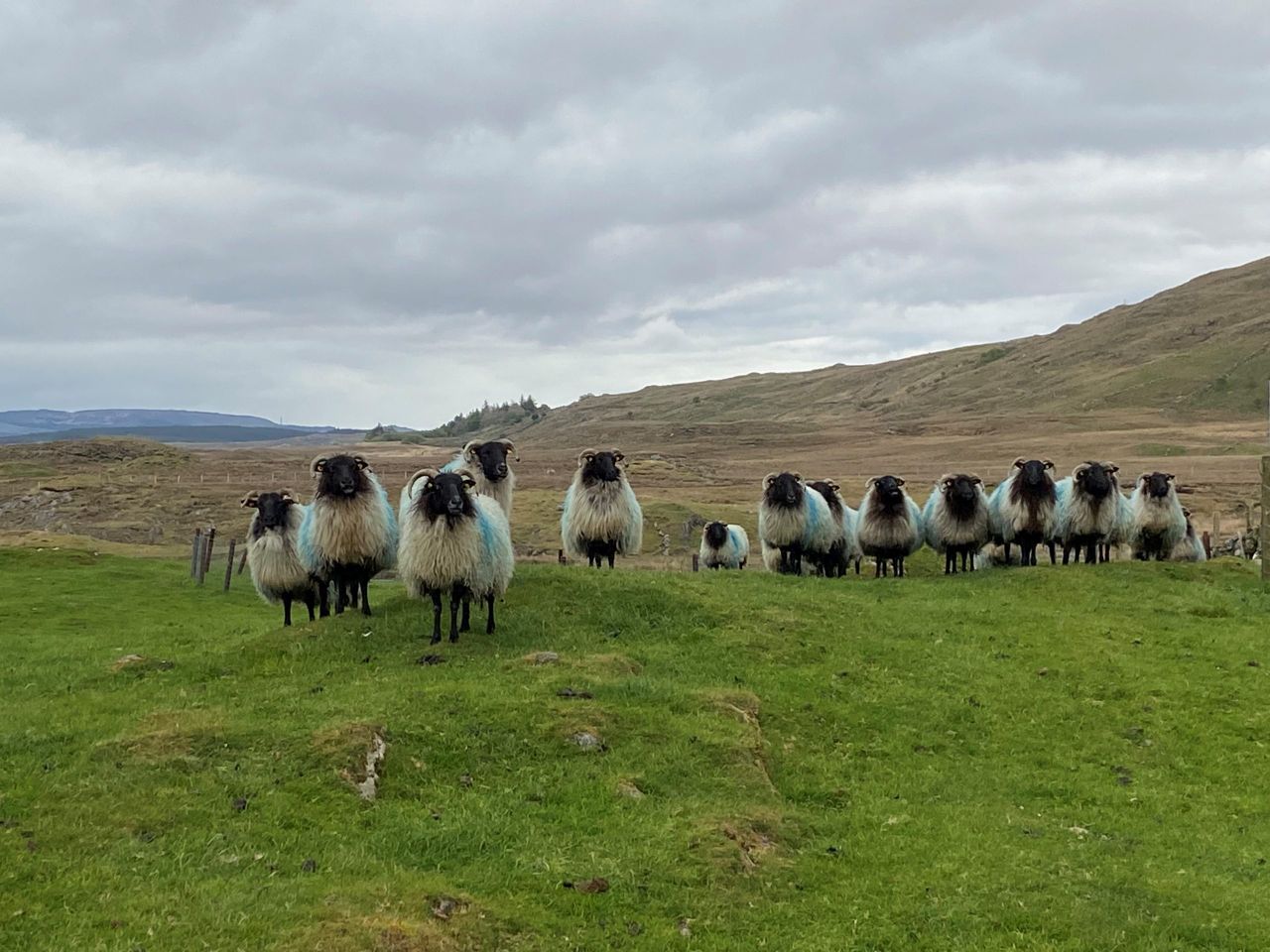
Hill sheep farmers will soon also be able to benefit from genetic improvement programmes to help them breed more "productive, profitable, and sustainable flocks", similar to lowland sheep.
This was according to research geneticist at Teagasc, Nóirín McHugh and head of hill sheep breed improvement at Sheep Ireland, David Coen.
Referring to the newly introduced SustainHill project, funded by the Department of Agriculture, Food and the Marine (DAFM), McHugh and Coen said:
“Ireland’s hill sheep sector is a cornerstone of rural life, particularly along the western seaboard, where the rugged landscape limits other farm enterprises."
They said that, while genetic improvement programmes had already delivered significant productivity gains for the lowland sheep sector, little was known about how similar approaches could benefit hill sheep farming.
Sheep Ireland, in conjunction with Teagasc, is aiming to bridge this gap by developing the tools, knowledge, and infrastructure needed to support a dedicated breeding programme for Irish hill sheep.
Powerful tool
McHugh and Coen said that genetics “is one of the most powerful tools” available to livestock farmers.
They said: “By helping identify the best animals to breed from, genetics allows farmers to gradually improve the productivity, health and efficiency of their flocks over time.
“Genetic improvement is estimated to account for more than half of the production gains achieved across livestock industries worldwide.”
Unlike advances in feeding or management, which could have an immediate but temporary impact, McHugh and Coen described genetic improvements as being “permanent”.
The genes passed from parents to their offspring remained in the flock and could continue delivering benefits for future generations.
This meant that every breeding decision made today could influence flock performance for years to come, they said.
Indexes
To help farmers make informed breeding decisions, national genetic indexes were developed to assess the genetic merit of individual animals.
These indexes provided a guide for selecting breeding stock with the characteristics most likely to improve flock performance, according to Teagasc.
The ‘Sheep Ireland Euro-Star Indexes’ were introduced in 2009 to support sheep farmers in selecting the best breeding animals.
The indexes were designed to identify sheep that were low-cost, easy to manage and possessed strong maternal traits, while also producing high-quality lambs that could reach market weight efficiently.
Each animal received a genetic index based on information collected throughout its life, including traits such as lambing performance and growth rates.
The system also takes performance information from related animals into account, such as parents and offspring.
Data
McHugh and Coen said that today, the data used to generate these indexes came from both pedigree breeders and commercial sheep farmers.
They added: “By combining information from thousands of animals across a wide range of farming systems, the indexes provide a reliable and practical tool to help farmers build more productive, profitable and sustainable flocks.
“To date, however, the information behind these genetic indexes, coupled with the traits included in the indexes, has focused predominantly on lowland farming systems.”
Hill farmers operated under different conditions from those of lowland farming.
Flocks were typically managed in extensive, low-input systems, with animals gathered only a few times each year, McHugh and Coen said.
Insufficient support
A survey conducted by Sheep Ireland found that almost two-thirds of hill sheep farmers believed the sector received insufficient support.
The farmers identified access to higher-quality breeding rams and improved flock performance as key priorities for securing the viability of hill farming.
The SustainHill project, developed through the Stimulus research call, aimed to address these challenges.
The project was intended to establish the foundations for a genetic improvement programme for Irish hill sheep by:
- Developing a recording system tailored specifically to hill sheep farming;
- Producing practical management reports that help farmers make informed breeding and management decisions;
- Measuring the role genetics play in important hill sheep traits;
- Expanding the use of genomic technologies within the hill sheep sector;
- Creating economic and environmental assessment models that can measure the financial and carbon value of key traits;
- Designing the most effective structure for a future national hill sheep breeding programme.
Together, these developments were designed to support a breeding objective focused on improving productivity, profitability and sustainability across the hill sector, according to McHugh and Coen.
It was building on progress already being made through the OviFlock European Innovation Partnership (EIP) and the Sheep Improvement Scheme genotyped rams task.
These aimed to encourage greater use of genotyping and DNA-backed breeding decisions within the hill sheep sector, they added.
Substantial improvement
McHugh and Coen described the potential benefits of genetic improvement in hill sheep farming as “substantial”.
“Conservative estimates suggest that if a hill breeding programme can be implemented and can achieve just half of the genetic progress already seen in Ireland’s lowland sheep sector, it could generate an additional €3.12 million in value for the hill sheep industry over 10 years,” they said.
A key focus of SustainHill was making data collection practical and worthwhile for farmers.
The project was intended to provide farmers with the tools and training needed to collect useful information during normal farm operations.
Educational resources would include short instructional videos covering important measurements such as body condition scoring and teeth assessment, alongside practical recording guides.
These reports could include information on:
- Ram performance;
- Lambing outcomes;
- Mating results;
- Pregnancy scanning;
- Growth rates;
- Flock movements.
"Sheep Ireland’s experience in developing farmer-friendly reporting systems would help ensure that the information generated was both practical and valuable for participating farmers," McHugh and Coen said.
The SustainHill project "promised a major step forward" for Ireland’s hill sheep sector, McHugh and Coen said.
They added that by combining modern genetics, practical farm recording systems, and strong industry collaboration, the project aimed to deliver a breeding programme specifically designed for the realities of hill farming.