Grass growth: Much-needed rain forecast, but not enough

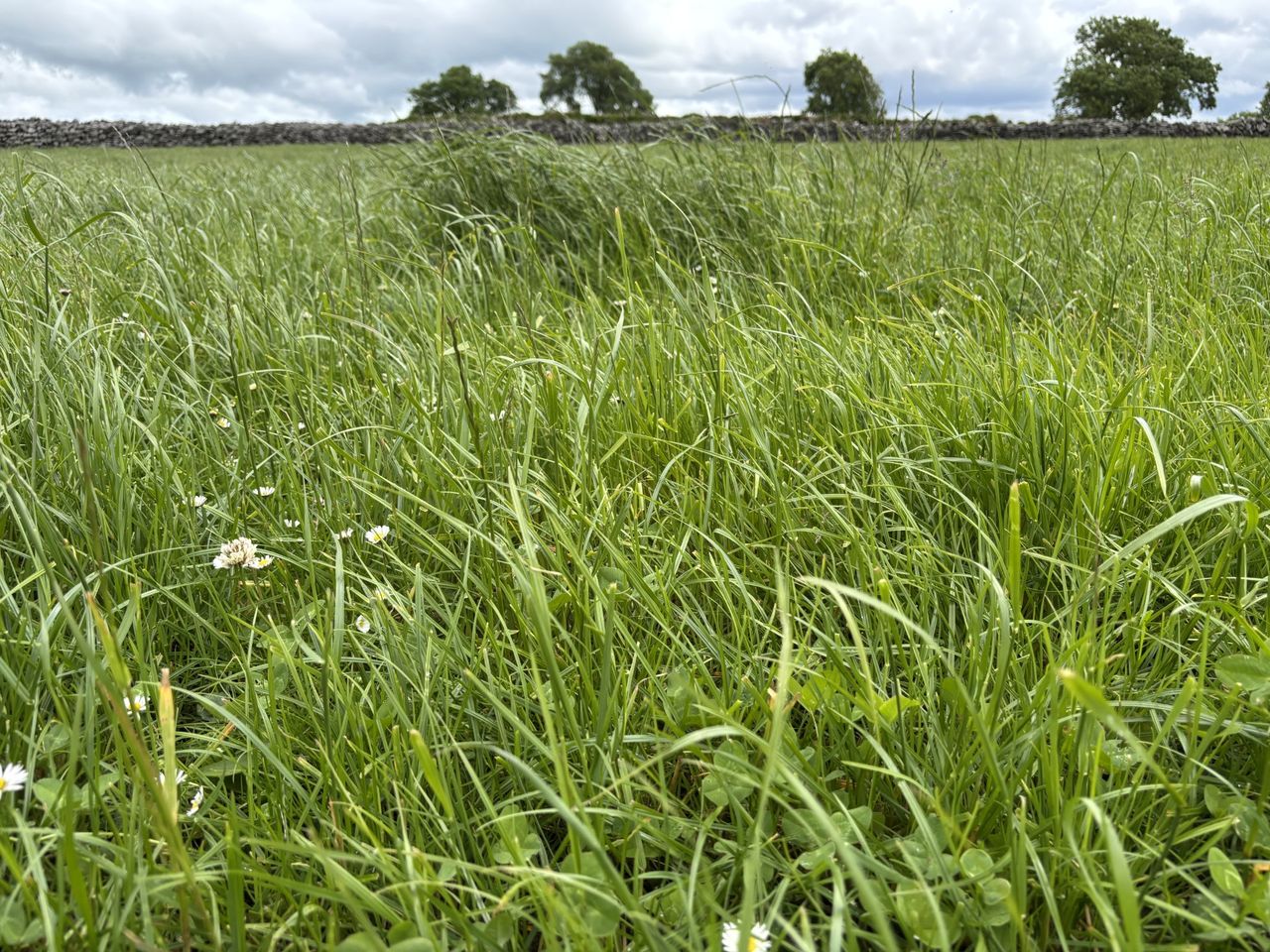
Grass growth has been stagnant in the south-east for more than a week, as well as rapidly slowing across the west coast.
Thankfully, Met Éireann has forecast much-needed scattered out-breaks of rain for the week ahead.
This will help the recovery of grass growth across the north-west.
However, with soil moisture deficits reaching 90mm in parts of Leinster and Munster, drought conditions are expected to continue until these farms receive at least 30-40mm of rain.
According to PastureBase Ireland, average growth rates fell as low as 25kg of dry matter (DM)/ha in Leinster, while hitting highs of 45kg DM/ha across Leinster and Munster.
Considering demand is still up and around 50kg DM/ha, plenty of farms will have to continue buffer feeding as pressure intensifies on grass availability.
Buffer feeding
According to PastureBase, the average diet last week consisted of 13.5kg of grass DM with 4kg of meal and 1.5kg of silage.
However, some farms have been allocating as little as 10kg of grass over the last week, and even less in some extreme cases.
The average pre-grazing yield was 1,394kg DM/ha, with average farm covers sitting at 205kg DM/LU .
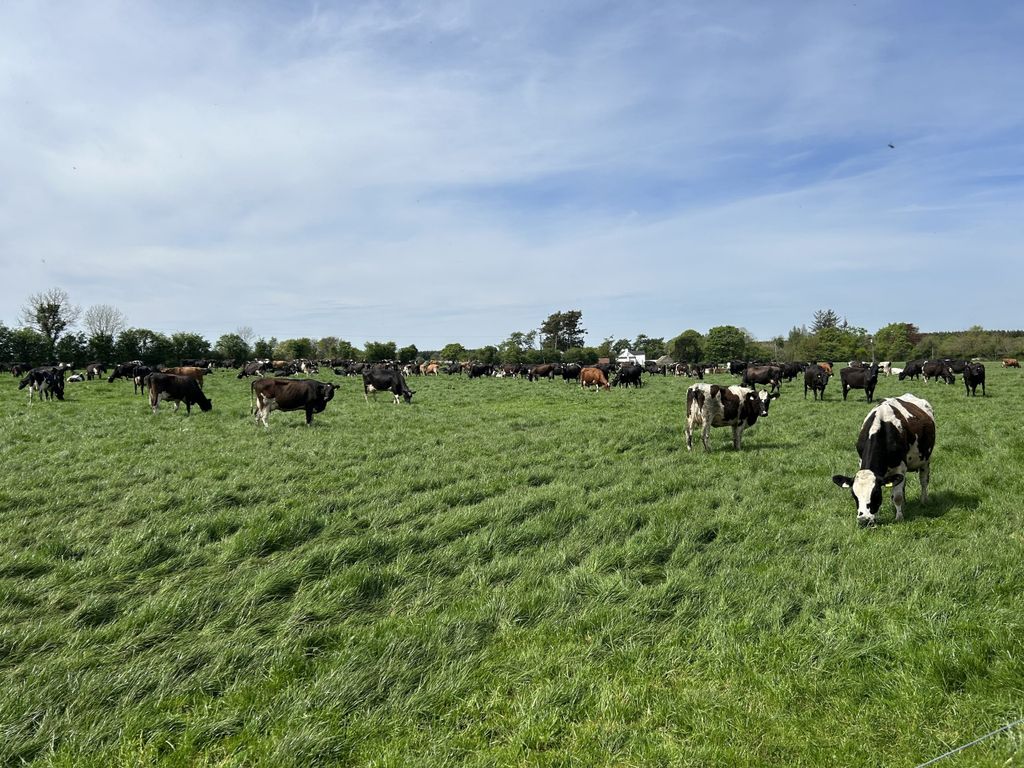
Farmers have been reminded to maintain a 25-30 day rotation, aiming to graze no more than 4% of the farm per day.
They should graze fields which are brown to base first, as they are no longer actively growing; instead grass is starting to deteriorate in these fields.
Any paddocks which are green to the base are actively growing.
Re-assess grass allocations, bearing high dry matter levels in mind.
Tirlán webinar
Tirlán held a webinar during the week to offer advice and support to it suppliers under pressure with drought conditions.
Tirlán chairperson Ger O'Brien said as a farmer-owned co-operative, Tirlán understand the challenges currently facing farmers on the ground.
It remains committed to supporting its farmers during this period, and are now offering a a €1.7 million Weather Support Package.
Tirlán senior technical specialist, Bryan Harte reminded farmers that the main focus should always be keeping cows healthy and productive, stating that 40% of the year's milk solids are yet to be produced.
He noted that if milk production drops, getting solids back up will be an extremely difficult task, and will have a largely negative result on the farms finances.
Harte noted that paddocks which have not recovered well in 25-30 days should still be grazed, stating that sacrificed paddocks with ring feeders do not typically work well, and actually have an impact on cell count levels.
The specialist noted that several scenarios can be put in place to stretch out the rotation, but said no one solution will suit all, and farmers should contact their local adviser for advice.