Sponsored
Dry cow data: An early warning for the next lactation

Sponsored by

Dairy farmers are being encouraged to analyse health and behaviour data more closely during the dry cow period.
Issues at this stage can provide an early warning of potential health, fertility and performance problems in the next lactation.
By prioritising dry cows and utilising real-time data, farmers and their vets can move from reactive treatment to earlier, evidence-led intervention.
Dry cows: the most underestimated group
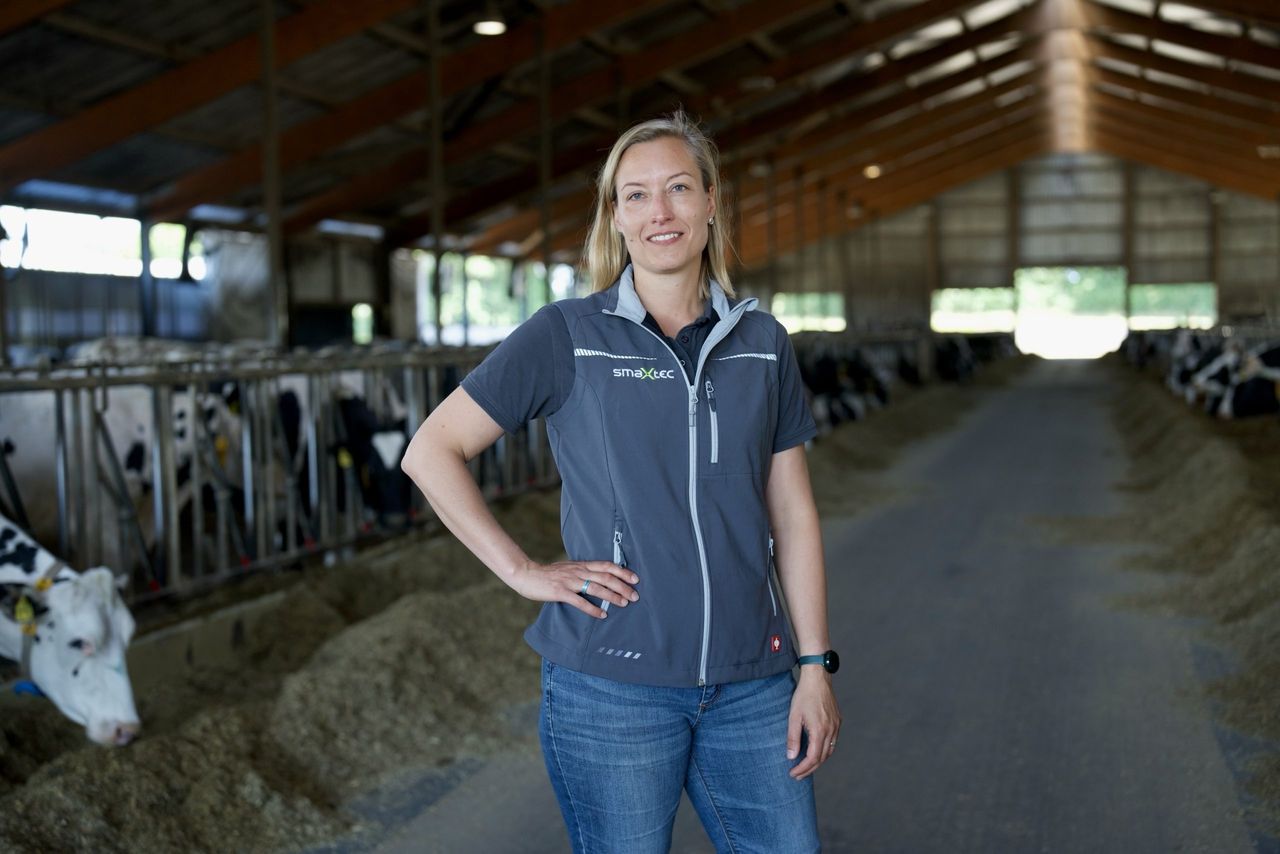
Dr. Kerstin Duncker, smaXtec veterinarian, says dry cows are often the most underestimated group on the farm, despite the major influence dry-period management can have on postpartum health.
She said: “Dry cows should be the princesses; they are the most important animals on the farm and, in my opinion, they’re still often not given the attention they require."
Monitoring total water intake, internal body temperature, rumination and rumen pH particularly can help farmers and their vets move from reactive treatment to earlier, evidence-led intervention.
“It is about less gut feeling and more data-driven decisions,” Dr. Duncker said.
Water intake as an early indicator
Water and feed intake are closely linked and reduced dry matter intake during the dry period can have a major influence on health and milk produktion after calving.
Dry cows should typically drink around 60-70L of water a day.
On one client’s farm, some were drinking just 22L a day, which was contributing to significant ketosis problems in early lactation.
“Ketosis is usually the start of everything that comes after that, including metritis, ovarian cysts, lower milk yields and mastitis,” she said.
Rumination and feeding management
Rumination patterns can also highlight cows coming under pressure.
Low rumination curves or repeated rises and falls during the dry period may indicate an increased risk of fertility and metabolic problems in the following lactation.
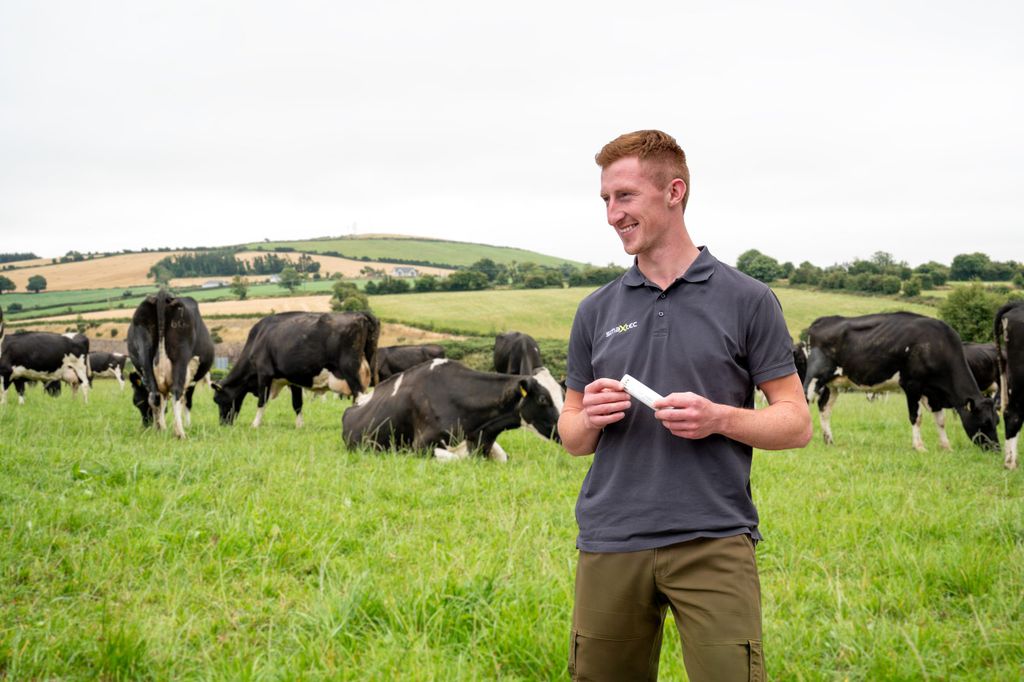
Poor feed management during the dry period can negatively impact rumen health and future herd performance, warns Dr. Cian Minogue, dairy cow health and feeding consultant with smaXtec.
He said: “Competition for feed space and infrequent feeding, such as offering fresh feed every second or third day, can lead to suboptimal rumen fermentation patterns, which we have observed through monitoring with our rumen pH bolus.
"This compromises the cow’s health, leading to reduced milk production in the subsequent lactation.”
To prevent this, social and feeding behaviour at the feed barrier must be managed.
“Ideally, dry cows require 85cm of feeding space so they can all eat together, and they should be offered fresh feed daily,” he advised.
Turning data into earlier action
The smaXtec bolus system continuously collects health and behaviour data from within the cow’s reticulum, with information available through an app or web dashboard.
Changes in water intake and rumination can be identified within the first 12-24 hours, giving vets and farmers an earlier indication that cows may be coming under pressure.
The data can also help assess whether management changes, such as improved ventilation, sprinklers, ration adjustments or increased water access, are having the intended effect.
“The dry period is not a holiday - it’s the training camp for the next lactation,” Dr. Duncker said.
“Every decision made during the dry period can influence the cow’s health, fertility, immune function and productivity throughout the next lactation, making dry-cow management a worthwhile investment.”
Sponsored by