Watch: Catch up at the mart - cattle, sheep and 'tight' grass supplies

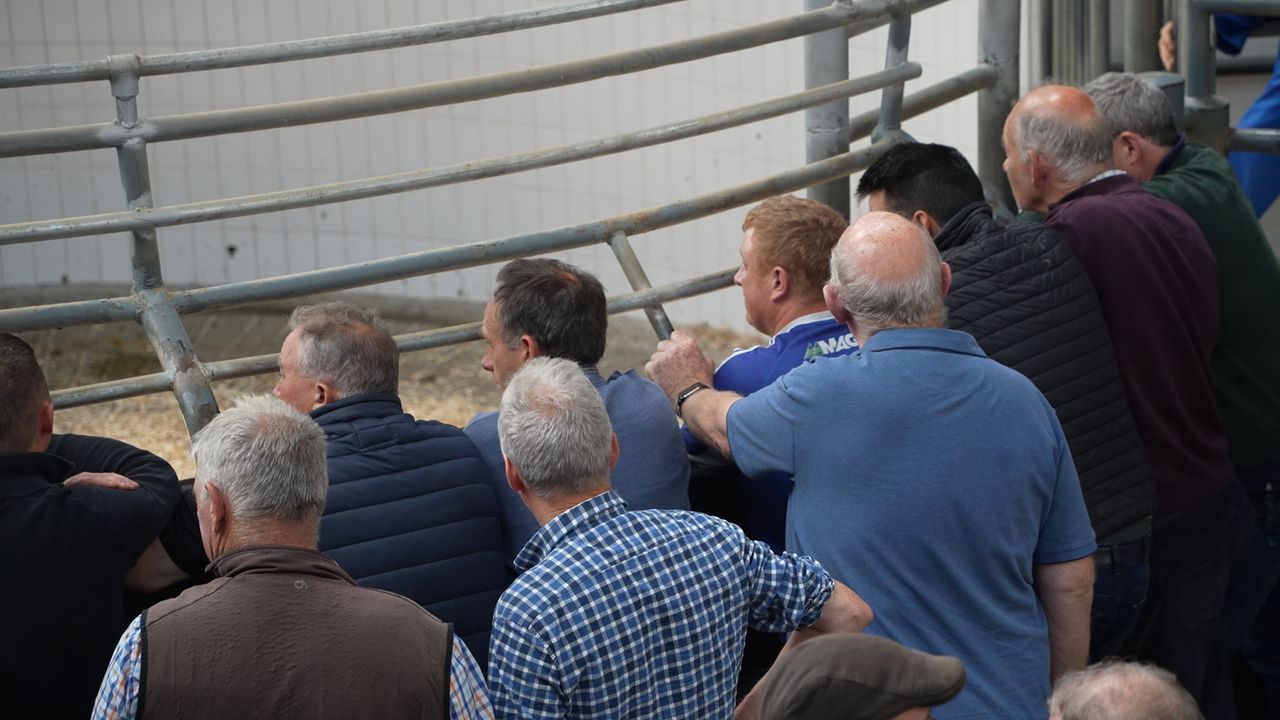
After a difficult spring for livestock prices, farmers at Roscommon Mart said that trade has strengthened in recent weeks, with tighter supplies and increased factory demand helping to lift prices.
Agriland visited the mart in Roscommon town to hear from farmers about the factors that they believe are driving the latest improvement in trade and how the recent spell of warm weather is affecting grass supplies.
One suckler farmer explained that cattle prices have certainly risen compared to earlier in the year.
He said: "I had a suckler cow there and she has increased from under €3/kg to nearly €4/kg at the moment; hopefully that will keep up."
When asked what was behind the recovery in prices, the farmer pointed to a "shortage of stock" in parts of the country.
However, a drystock farmer warned that current cattle prices risk becoming "too dear again" as he estimated that quality cattle are making up to €5/kg now, with lighter stock reaching €6/kg.
He also felt that export demand is one of the factors driving cattle prices of late.
"I'd say the shippers are driving the younger cattle and the scarcity of good cattle is driving the other ones," the farmer told Agriland.
Another dry stock farmer raised concerns about whether or not "weanlings will become too dear for people buying stores".
He said: "We saw what happened last autumn when beef prices were touching almost €8/kg.
"Finishers got badly burnt this spring because they were selling their cattle for €6.30/kg or thereabouts, when they would've needed near enough €9/kg to make money."
Another farmer also agreed that store cattle are "a bit dearer" recently.
He added that improved factory prices are filtering back to the mart trade.
"The beef has gone up in the factory a bit, so they're willing to go back out and spend it again," the farmer commented.
Sheep trade
Several sheep farmers described 2026 as a positive year for the sector.
One farmer highlighted that lamb prices have exceeded €200/head at sales recently, which is "great money" in his eyes.
Another sheep producer noted that prices are "much better this year than they were last year."
When asked what factors have allowed the trade to bounce back, he reckoned that the recent spell of dry weather has tightened grass supplies, which in turn has helped to support prices.
Weather
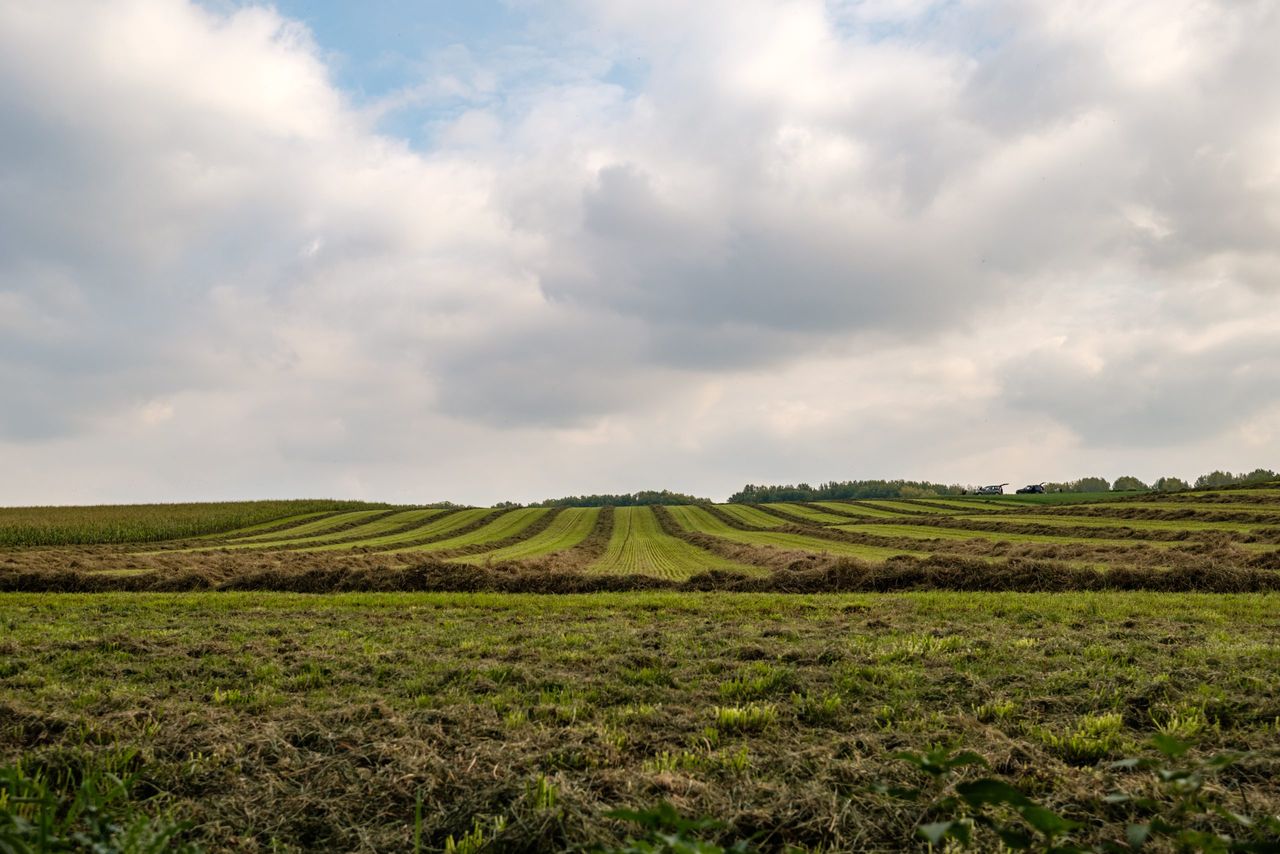
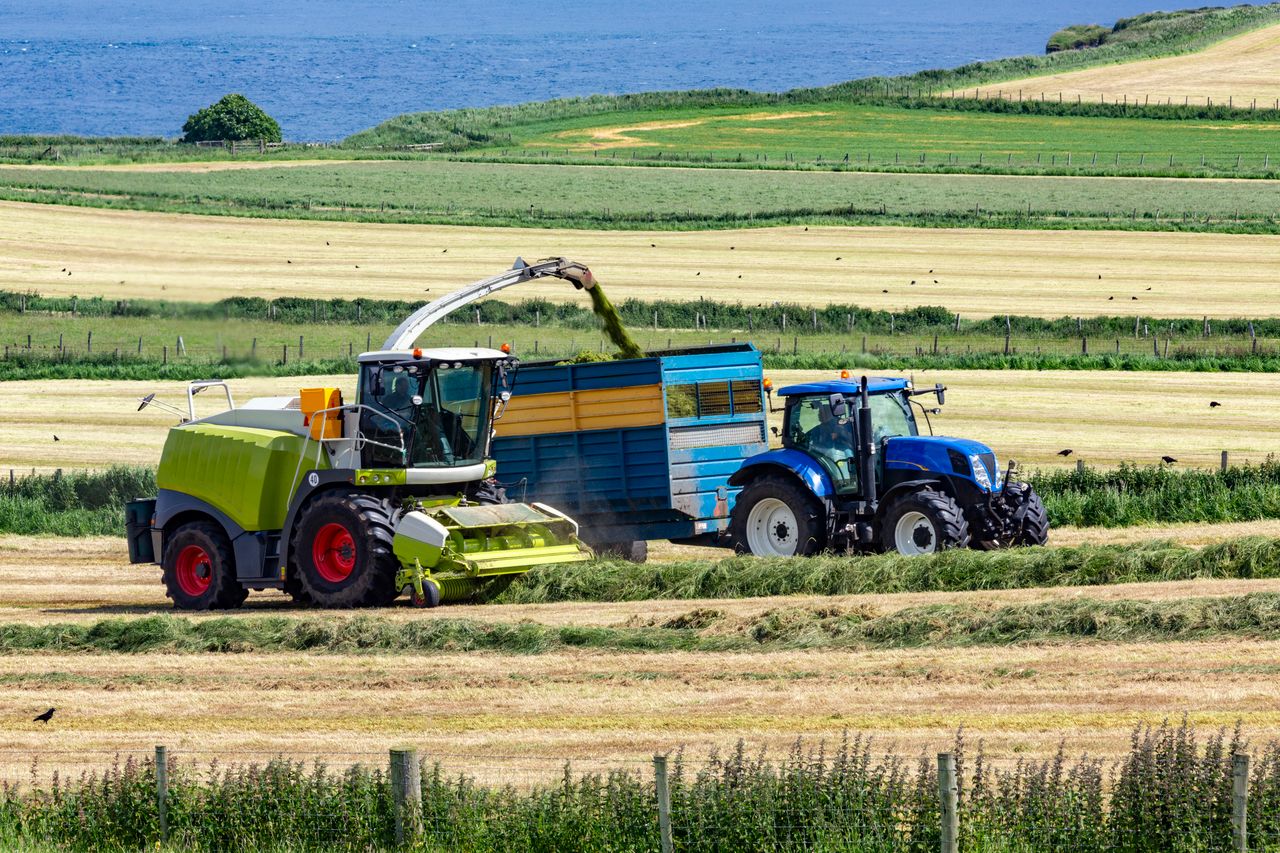
While farmers generally welcomed the prolonged spell of settled weather for silage and hay making, many said that it is beginning to impact grazing conditions.
One farmer described the weather as "great" for mowing and baling, allowing for fodder to be harvested early and brought in under ideal conditions.
Another local farmer told Agriland that he felt that grass supplies in his area had not become scarce yet, although he admitted that other parts of the country might be worse off.
"We have a lot of low and boggy ground around here and that'll keep the grass growing a bit longer, but it is starting to get scarce at the same time."
However, others in attendance were less optimistic as they revealed that some farmers have already started leaving out bales to maintain stock.
A farmer from the midlands said that the dry weather is now "burning up the grass" near him, stating that it has been a "hard year" for grass management.
However, with rain promised this weekend in several parts of the country, many farmers at the mart acknowledged that it will be a welcome sight.
"Us farmers don't like asking for rain, but it'll improve the grass and freshen it up for stock," one farmer noted.